- Alimentation
- 958 views
What is creatine?
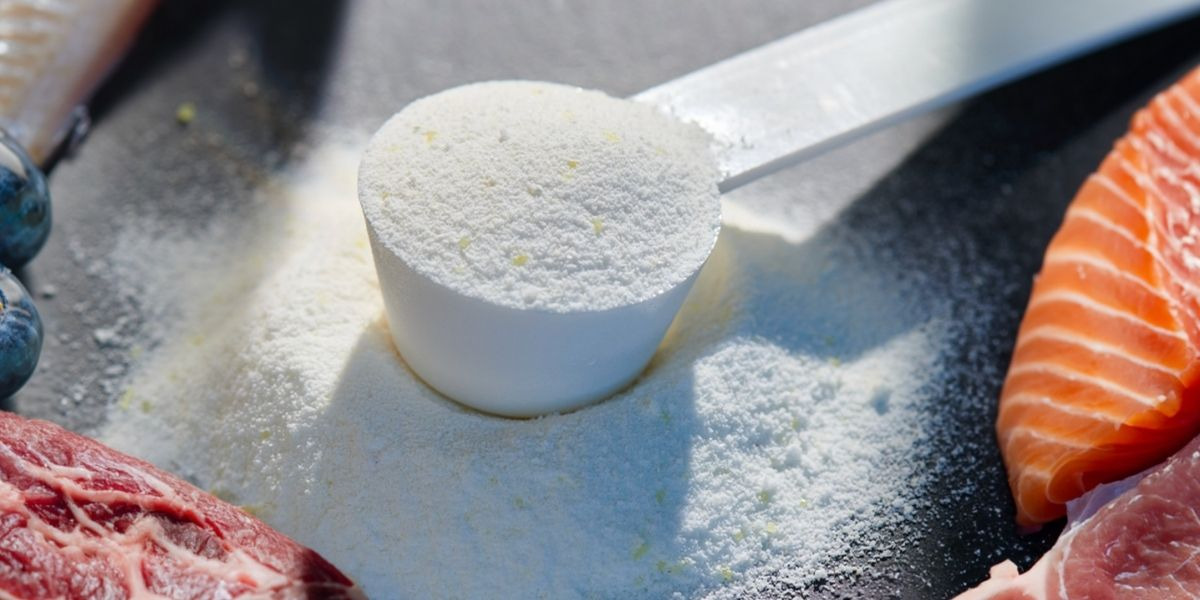
Creatine is an amino acidthat occurs naturally in the human body. Formed by the combination of three amino acids (glycine, arginine and methionine), 95 per cent of creatine is found in the muscles, whilst the remainder is found in the heart and brain. The human body can synthesise creatine on its own (in the liver, pancreas and kidneys) or absorb it through diet.
In the world of sport, creatine is widely used as a dietary supplement by athletes to improve the quality and duration of their performance and to increase muscle mass.
The role of creatine in the body
Creatine is an amino acid that plays a key role in the process of muscle contraction, particularly during short, intense and repeated bursts of exertion. Creatine increases the availability of ATP (adenosine triphosphate) in the muscles; ATP is a molecule that represents the body’s primary form of energy and provides cells with the energy they need for all their activities. Higher levels of creatine in the muscles allow for greater availability of energy reserves, thereby providing the muscles with more strength and power.
Differences between natural creatine and creatine powder
The main difference between natural creatine found in food and creatine powder found in supplements lies in the latter’s greater absorption and higher bioavailability.
Under normal conditions, natural creatine may be sufficient to meet the body’s normal requirements. The body can synthesise up to 2 grams per day from amino acids. As regards diet, consuming 100 grams of red meat or fish – which are among the foods richest in protein – provides an average intake of 0.5 grams of creatine.
That said, there are other factors to take into account: firstly, the body does not always manage to absorb nutrients sufficiently, so not all the creatine ingested through food can be effectively utilised. Furthermore, it is important to bear in mind that certain groups, such as sportspeople or professional athletes, have a higher creatine requirement than those leading a less active lifestyle.
Last but not least, it is difficult to expect to obtain a large proportion of the required creatine from food alone, as this would mean having to eat hundreds of grams of protein-rich foods every day.
Creatine powder supplements therefore offer a quick and convenient way to take the daily amount required to meet one’s own needs and, if high-quality products are chosen, to optimise absorption by the body.
Why look for foods containing creatine?
Creatine is very important for muscle contraction processes. Protein-rich foods of animal origin are also naturally the richest in creatine. Foods containing creatine are beneficial to the body as they provide this essential substance. Naturally, the creatine synthesised by the body and obtained from the diet is sufficient to meet ‘normal’ requirements. For an athlete, for example, it would be impossible to increase their daily creatine intake solely through diet: just consider that one would need to eat 1 kg of pork or beef a day to obtain 5 grams of creatine. Apart from the excessive amount of meat, the meal would be completely unbalanced, even in terms of fat, cholesterol and calorie intake.
Foods containing creatine remain an important part of an athlete’s diet, but high training volumes lead to increased requirements that can be perfectly met by using specific sports nutrition supplements.
The benefits of creatine
The main benefits of creatine are increased muscle mass, greater endurance during exercise and improved recovery after physical activity. Creatine increases muscle strength and power.
Taking creatine can improve athletic performance, particularly during high-intensity, short-duration exercises. However, taking creatine alone is not enough to bring about an increase in muscle mass; to achieve this, it is necessary to train intensively and take creatine regularly.
Creatine for athletes and sportspeople
There are numerous benefits to taking creatine supplements in the sporting world. It is no coincidence that creatine is one of the most widely used supplements amongst athletes, alongside protein powders – particularly whey protein – and supplements designed to boostenergy and endurance.
Around 90 per cent of the creatine synthesised by our bodies is found in muscle cells, where it plays a vital role during rapid and repeated muscle fibre contractions.
By increasing explosive strength and helping to increase the number of repetitions and the weights used during strength training, creatine’s main effects include:
- Increased strength
- Increased power
- Increased muscle mass
- Improved physical performance
- Improved post-workout recovery.
Foods containing creatine
Fish and meat are the foods naturally richest in creatine. Conversely, plant-based foods contain almost no creatine. For this reason, those following a vegetarian or vegan diet may have much lower levels of this amino acid in their muscles. It is worth remembering that creatine plays a fundamental role in power-based activities involving rapid repetitions. The higher the creatine stores in the muscles, the more immediate and explosive energy is available to our muscles.
In the tables below, let’s look at which foods have the highest creatine content:
| Foods | Creatine content (g/kg) |
|---|---|
| Herring | 6–11 |
| Pork | 0.50 |
| Beef | 0.50 |
| Salmon | 0.45 |
| Cod | 0.30 |
| Tuna | 0.43 |
| Chicken | 0.35 |
| Sardines | 0.42 |
Red meat and creatine
Red meat, particularly beef and pork, is rich in creatine. A 200-gram slice of beef – which is generally leaner than pork – can provide up to 2 grams of creatine.
| Foods | Creatine content in g/kg |
|---|---|
| Pork | 0.50 |
| Beef | 0.45–0.50 |
| Venison | 0.45 |
| Chicken | 0.35 |
Fish and creatine
Fish, particularly oily fish, is, alongside meat, the food with the highest creatine content. Herring can contain up to around 1 gram of creatine per 100 grams. Salmon, tuna and sardines are also rich in this amino acid.
| Foods | Creatine content in g/kg |
|---|---|
| Herring | 0.6 – 0.11 |
| Salmon | 0.45 |
| Tuna | 0.43 |
| Sardines | 0.42 |
| Cod | 0.30 |
Other foods rich in creatine
Creatine is found mainly in foods of animal origin, such as meat and fish. Offal is another animal source of creatine that can provide a good intake, although this is lower than that found in fish and muscle meat.
Plant-based foods do not contain creatine. Small amounts of the amino acid creatine can also be found in foods containing plant-based ingredients, such as rye bread, but these are only trace amounts and insufficient to provide a meaningful intake for the body.
Frequently Asked Questions
Is the creatine in food sufficient for athletes and sportspeople?
The creatine found in food is not sufficient to meet the needs of athletes and sportspeople. Meat and fish, which are the protein-rich foods with the highest creatine content, contain around 0.5 grams per 100 grams. You would therefore need to consume one kilogram of these foods to take in 5 grams of creatine.
Of the various supplements, creatine is perhaps the most beneficial for most sports: it is indeed capable of promoting muscle growth and increasing power and strength, particularly when performing exercises involving short, repeated muscle contractions, such as in bodybuilding.
To meet the needs of athletes and sportspeople, creatine supplementation is often necessary; here is a selection of the best products available on the market:
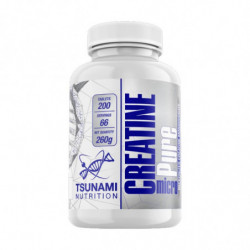
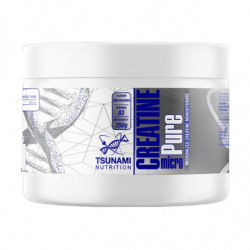
- Among the various types of creatine on the market, micronised creatine monohydrateis perhaps the most widely available and used by athletes; it is a pure, high-quality form with a very high concentration to ensure optimal absorption by the body
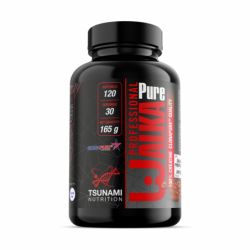
- 3Alkapure Professional by Tsunami Nutrition, containing Clonapure® creatine, is the most significant innovation of recent times: the world’s first creatine in softgel form, with ultra-fast action, capable of guaranteeing: 25% greater ABSORPTION compared to powder, 40% more ABSORPTION compared to tablets, and 40% higher BIOAVAILABILITY
Is creatine safe to take?
Creatine is one of the most extensively studied supplements in the field of sport, and several clinical studies confirm that medium- and long-term creatine supplementation, at doses of around 3 grams per day, is well tolerated by the body and can be considered safe.
However, if taken in excessive doses over a prolonged period, some of the most common gastrointestinal problems may occur (vomiting, stomach ache, diarrhoea). High doses of creatine can put a strain on the kidneys and liver. Those suffering from conditions affecting these organs should avoid taking creatine or should only do so after consulting their doctor.
How can I increase my creatine intake through my diet?
Fish and meat are the foods richest in creatine; including them in your diet provides around 0.5 grams of creatine per 100 grams of beef, pork, salmon, tuna or cod. Another way to increase your creatine intake through your diet is to prioritise protein-rich foods.