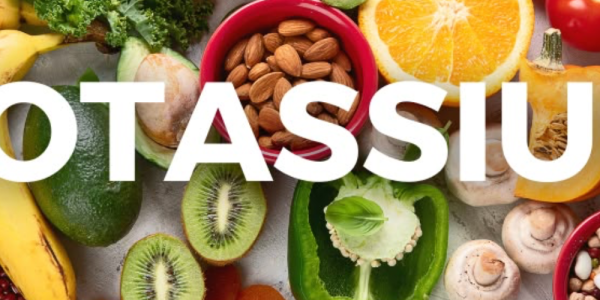
Potassium-Rich Foods: Which Foods Contain the Most, Nutritional Table and Foods to Avoid
Potassium is an essential mineral that contributes to the normal functioning of muscles and the nervous system and helps maintain normal blood pressure. It is found in many foods, especially fruit, vegetables, legumes and nuts. Knowing the main dietary sources makes it easier to plan a varied and balanced diet while taking individual needs into account. In this guide, we look at foods with the highest potassium content, a table showing nutritional values per 100 grams, foods that also provide magnesium, and foods to limit in cases of high blood potassium levels or specific health conditions.

What Is Magnesium Used For? Forms, When to Take It and Contraindications
Magnesium is an essential mineral involved in numerous bodily functions: it contributes to normal muscle and nerve function, energy metabolism and electrolyte balance. It is found in various foods, but it can also be taken through supplements available in different formulations, such as citrate, bisglycinate, pidolate and malate. In this guide, we explore its main properties, the differences between the most common compounds, how to supplement it and its possible contraindications, with a closer look at dosages and interactions to be aware of.
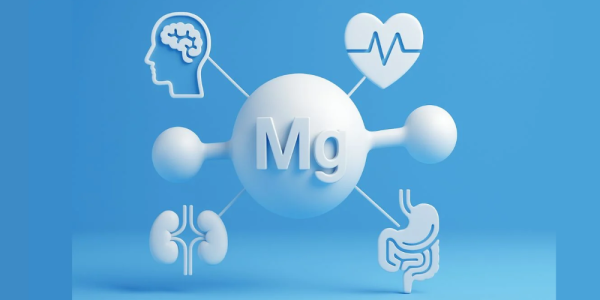
Magnesium: What Is It Used For, Where Is It Found and What Are the Contraindications?
Magnesium is an essential mineral involved in numerous biological processes, from energy production to muscle and nervous system function. It is found in various foods, especially nuts, seeds, legumes and green leafy vegetables, but it can also be taken through specific supplements. In this guide, we explore its main functions, recognised benefits, dietary sources and the characteristics of the different formulations available, with a closer look at the side effects associated with excessive intake.

Does Vitamin B6 Cause Weight Gain? How It Affects Metabolism
Vitamin B6 is a water-soluble vitamin involved in numerous metabolic processes, contributing to the normal use of proteins, carbohydrates and fats. Because of its role in energy metabolism, it is sometimes associated with weight management. In reality, it does not provide significant calories and does not directly cause an increase or decrease in body fat. In this article, we explore its role in the body, its possible relationship with appetite, its effects on metabolism and the main precautions to be aware of when taking supplements.

Folic Acid: Foods That Contain It, What It Is Used For and How to Preserve It During Cooking
Folic acid is the synthetic form of vitamin B9, an essential nutrient for the production of new cells, DNA synthesis and the normal functioning of the nervous system. In nature, vitamin B9 is mainly found in the form of folates, which are present in many foods, particularly leafy green vegetables, legumes and certain fruits. Knowing which foods contain the highest amounts and how to prepare them can help meet daily requirements. In this guide, we look at the differences between folic acid and folates, what they are used for, which foods to choose and what precautions to take during cooking to limit nutrient loss.

Vitamin K2: What Is the Recommended Daily Dosage? When to Take It, Food Sources and Contraindications
Vitamin K2 is a fat-soluble nutrient involved in calcium metabolism and the maintenance of bone health. It is found mainly in certain fermented foods and foods of animal origin, but it is also available as a supplement, often combined with vitamin D3. There is no specific official daily requirement for K2 alone, and the amounts contained in supplements can vary considerably. In this guide, we explore commonly used doses, the best time to take it, foods that contain it and the main contraindications to be aware of before starting supplementation.

Apples: What Vitamins Do They Contain? Nutritional Values, Benefits and Contraindications
Apples are among the most widely consumed and appreciated fruits, thanks to their flavour, versatility in the kitchen, and water and fibre content. But what vitamins do they contain, and what are their nutritional values? In addition to a small amount of vitamin C, they provide several B vitamins, minerals such as potassium, and plant compounds, including flavonoids and quercetin, which are mainly found in the skin. In this article, we explore the calories and properties of the main apple varieties, their benefits for the body, and possible contraindications associated with their consumption.

Vitamin B6 and B12: What Are They For, Food Sources and Deficiency
Vitamins B6 and B12 belong to the group of water-soluble vitamins and play important roles in metabolism, the nervous system and the formation of blood cells. Although they are involved in some of the same processes, they have different characteristics: vitamin B6, or pyridoxine, is mainly involved in amino acid metabolism and neurotransmitter production, while vitamin B12, or cobalamin, is essential for DNA synthesis and the maintenance of normal neurological function. Understanding their differences, the foods that contain them and the symptoms of a possible deficiency helps clarify when it may be necessary to assess nutritional status further.

Banana Vitamins: Which Ones Does It Contain, Health Benefits and Calories in Your Diet
Bananas are a popular fruit thanks to their sweet taste, convenience and content of nutrients that are useful to the body. In addition to providing carbohydrates, they are a source of vitamin B6, vitamin C, potassium and fibre, which contribute to various physiological functions, from energy metabolism to the maintenance of normal muscle function. Their nutritional characteristics change to some extent as they ripen: an unripe banana contains more resistant starch, while a ripe one has a higher amount of simple sugars. Its energy content also depends on the size of the fruit and the amount of flesh consumed.