- Nutrition
- 6204 views
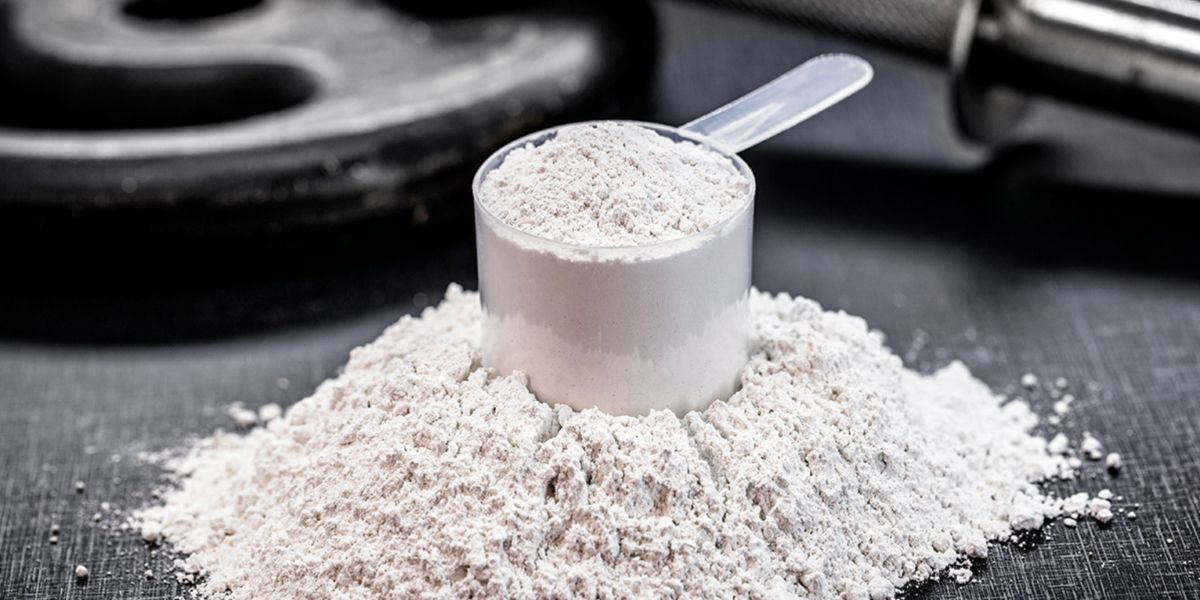
What is creatine and why is it important when cutting?
Creatineis an organic compound naturally present in our bodies, mainly in skeletal muscles, and plays a key role in energy production during high-intensity physical exercise. It is produced by the body from the amino acids arginine, glycine and methionine, and is also obtained through the consumption of meat and fish.
Importance during a cutting phase:
- Improves performance: Creatine increases phosphocreatine stores in the muscles, which are used to rapidly regenerate ATP (adenosine triphosphate), the main source of energy for short, intense bursts of effort, such as weight training or sprinting. This allows you to train harder and with greater intensity, promoting muscle growth and definition.
- Increased muscle mass: Creatine supplementation can promote an increase in muscle volume, as it retains water within muscle cells, making them appear larger and more defined. This volumising effect can contribute to greater muscle hypertrophy over time.
- Muscle recovery: Creatine can reduce fatigue and improve post-workout recovery, enabling more frequent and intense training sessions, which are essential for muscle definition.
Consequently, creatine is important during a cutting phase as it improves performance, promotes muscle mass gain and supports effective recovery – all key factors in achieving well-defined, toned muscles.
The role of creatine in building and maintaining muscle mass
Creatine plays a fundamental role in the growth and maintenance of muscle mass, thanks to its properties that support energy production, protein synthesis and muscle recovery.
Increased physical performance
Creatine increases phosphocreatine stores in the muscles, which are used to rapidly regenerate ATP (adenosine triphosphate), the main source of energy for rapid and powerful muscle contractions. This helps support more intense and prolonged workouts, promoting muscle hypertrophy – that is, an increase in the size of muscle fibres.
Stimulation of protein synthesis
Creatine has a positive effect on protein synthesis, the process by which the body repairs and builds new muscle proteins. This is essential for muscle growth, as after an intense workout, the body needs to repair micro-tears in the muscles, thereby stimulating muscle growth.
Cellular volumisation
Creatine retains water within muscle cells, thereby increasing muscle volume. This volumising effect not only makes muscles look bigger and more defined, but can also improve the anabolic environment within the cells, further promoting protein synthesis and muscle growth.
Reduction of muscle fatigue and recovery
Creatine helps to reduce the build-up of lactic acid during exercise, delaying muscle fatigue. This allows you to perform more repetitions and sets, maximising the stimulus for muscle growth. Furthermore, creatine speeds up post-workout recovery, reducing recovery times and allowing for more frequent training sessions.
In summary, creatine is essential for both building and maintaining muscle mass. It improves physical performance, stimulates protein synthesis, increases muscle cell volume and promotes rapid recovery, creating the ideal conditions for muscle development and maintenance over time.
How should creatine be used during a cutting phase?
During a cutting phase, the main objective is to reduce body fat whilst retaining as much muscle mass as possible. Creatine can be a valuable ally in this process, if used correctly. To maximise its benefits without compromising muscle definition, it is important to follow a few basic rules.
Hydration
Creatine is known for its ability to retain water within muscle cells, which contributes to a fuller, more voluminous muscle appearance. However, during the cutting phase, it is crucial to maintain adequate hydration to avoid dehydration, which may be more likely due to calorie restriction and intense physical exercise.
Drinking plenty of water throughout the day not only helps prevent dehydration but can also optimise creatine’s volumising effect, thereby supporting performance during workouts.
Water retention and muscle definition
One of the main concerns during the cutting phase is water retention, which can mask muscle definition. Creatine tends to retain water within muscle cells rather than under the skin, so it should not compromise the sculpted appearance of the muscles.
If, however, you notice an excessive increase in water retention, you may wish to consider slightly reducing the dosage, whilst still benefiting from creatine’s ergogenic properties.
Combating muscle loss
During a cutting phase, the body is in a calorie deficit, which can lead to a reduction in muscle mass as well as fat. Creatine helps preserve muscle mass by supporting strength and performance even when calorie intake is reduced. This is particularly important as maintaining strength whilst lifting heavy weights is crucial for stimulating the muscles and preventing their breakdown.
The use of creatine during the cutting phase must be carefully managed to maximise the benefits without compromising the main goal of reducing body fat. Maintaining a regular dosage, ensuring you stay well-hydrated and monitoring water retention are key strategies for getting the most out of this supplement during this period.
Optimal creatine dosage
During the cutting phase, the optimal creatine dosage is generally between 3 and 5 grams per day. This amount is sufficient to maintain high creatine stores in the muscles, supporting strength and performance during workouts without causing excessive water retention, which could compromise the desired defined appearance.
A loading phase is not necessary at this stage, as the main objective is to preserve existing muscle mass rather than to increase it. It is advisable to take creatine post-workout alongside a source of carbohydrates and protein to improve absorption and promote muscle recovery.
Furthermore, it is essential to stay well hydrated whilst taking the supplement, as creatine retains water within muscle cells. It is important to monitor your individual response to the supplement: if you notice excessive water retention, you may wish to consider reducing the dosage slightly.
When should you take creatine during the day?
The timing of creatine intake may vary depending on personal goals, but there are some general guidelines on when to take it during the day:
- After training: One of the most common times to take creatine is immediately after training. After physical activity, muscles are particularly receptive to the absorption of nutrients, including creatine. Furthermore, when combined with carbohydrates and protein, the absorption of creatine may be further enhanced.
- Before training: Some people prefer to take creatine before training to boost their energy levels during physical activity. Although the effect is not immediate (creatine does not work like a pre-workout supplement), consistent use over time helps to improve performance.
- With meals: Taking creatine with meals can help prevent any gastrointestinal discomfort that might otherwise occur. Furthermore, taking it with a meal containing carbohydrates and protein can improve its absorption.
- Spreading intake over several doses: Some people choose to spread their creatine intake over several doses throughout the day (for example, morning and evening), particularly during the ‘loading’ phase, which involves taking larger amounts to saturate the muscles more quickly.
How can you incorporate creatine into your diet and training?
Creatine is ideal for improving strength, power and performance during high-intensity training sessions. However, to maximise its benefits, it is essential to know how to incorporate it correctly into your diet and training routine.
For example, creatine is most effective when taken with a meal containing the following macronutrients:
- Carbohydrates: Consuming creatine with carbohydrates can increase its absorption thanks to the insulin-stimulating effect. Examples include fruit, oats, rice or wholemeal bread. Complex carbohydrates provide sustained energy and can help replenish muscle glycogen stores.
- Protein: Protein is crucial for muscle repair and growth. Taking creatine with a source of protein, such as lean meat, fish, eggs or a protein shake, can maximise post-workout benefits.
- Fats: Healthy fats, such as those found in avocados, nuts and olive oil, are important for general health but do not directly affect creatine absorption.
Creatine promotes water retention in the muscles, so it is essential to stay properly hydrated to prevent cramps and dehydration. Drinking at least 2 to 3 litres of water a day is recommended, especially during periods of intense training.
Creatine is particularly beneficial for workouts involving explosive movements and short bursts of high-intensity exercise, such as weight training, sprints and HIIT training.
- Before training: Some athletes prefer to take creatine before training to boost their energy levels during exercise. However, the effect of creatine is more closely linked to long-term muscle saturation, so regular intake is more important than the exact timing.
- After training: This is one of the best times to take creatine, as the muscles are more receptive to nutrients. A post-workout shake containing protein, carbohydrates and creatine can support muscle recovery and protein synthesis.
Frequently Asked Questions
Can creatine cause water retention whilst cutting?
Yes, creatine can cause water retention, even whilst cutting. However, this retention is mainly intracellular, meaning it occurs inside the muscle cells, increasing muscle volume without necessarily compromising a defined physique.
Although this may make the body appear slightly less lean, the benefits in terms of strength and endurance during training often outweigh this temporary effect. Many athletes continue to take creatine whilst cutting precisely to maintain high performance levels and preserve muscle mass.
Is it necessary to follow a creatine loading and unloading cycle whilst cutting?
No, it is not necessary to follow a creatine loading and unloading cycle whilst cutting. The loading phase, which involves taking high doses of creatine to rapidly saturate the muscles, is optional and not essential for achieving results.
During a cutting phase, you can take a consistent dose of 3 to 5 grams per day without following any loading and unloading cycles. This approach maintains stable creatine levels in the muscles and allows you to benefit from its positive effects on strength and the preservation of muscle mass without complicating your routine.
What are the potential side effects of using creatine whilst cutting?
Using creatine whilst cutting is generally safe, but it may have a few potential side effects. One of the most common effects is intracellular water retention, which may make the body appear less lean, even though this retention occurs mainly within the muscles and not under the skin.
Some people may also experience gastrointestinal issues, such as bloating or cramps, particularly if they take high doses or do not drink enough water. Although rare, some people may experience a slight weight gain due to water retained in the muscles. However, this does not mean that you are gaining fat, but rather that the muscles are retaining more water.
In general, the side effects of creatine during a cutting phase are minimal and manageable, and the benefits in terms of strength and muscle preservation tend to outweigh these potential drawbacks.