- Nutrition
- 9931 views
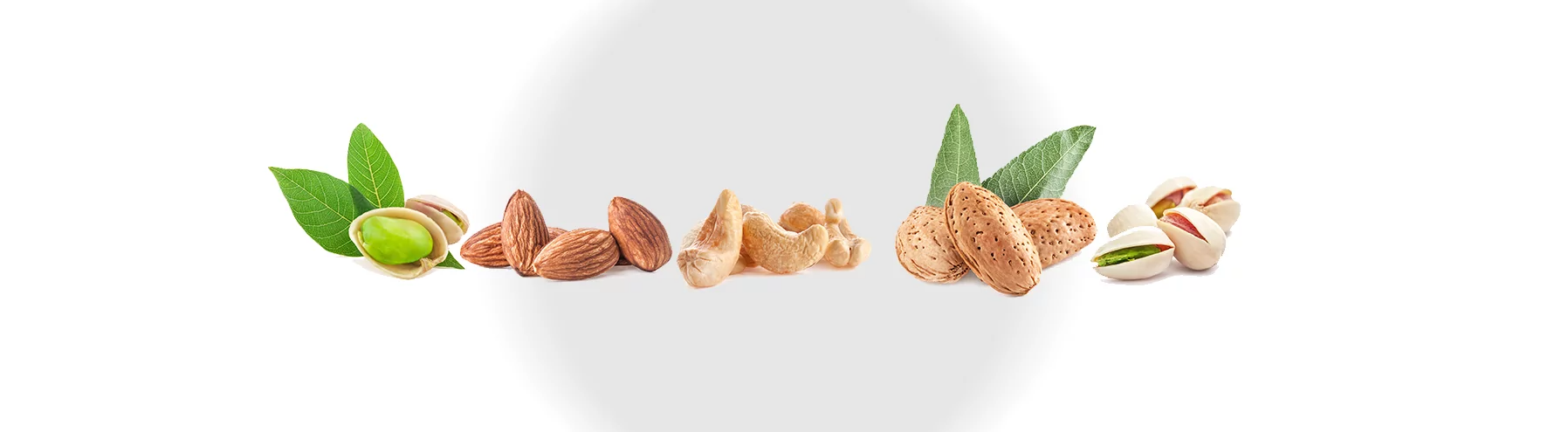
Dried fruit raises many questions. In particular: does dried fruit make you put on weight? Why is it a favourite food amongst athletes? Is it suitable for a diet? These are the most frequently asked questions about dried fruit and spreads containing it.
In reality, dried fruit in its various forms has become a staple in athletes’ diets, often providing that extra touch of flavour that breaks up the monotony and makes their otherwise strictly controlled diet more enjoyable.
For example, TSUNAMI NUTRITION’s almond butter, in either the Smoothy or Crunchy version, is always part of my breakfast. Don’t believe me? Let’s explore together all the nutritional properties and benefits of dried fruit!
What is the nutritional value of dried fruit?
Dried fruits (almonds, pistachios, cashews, hazelnuts, peanuts, etc.), although very high in calories – around 600 kcal per 100 g, remain a very important and fundamentally healthy food. It’s important to remember that whilst it’s true we need to watch our calorie intake, it’s just as important to pay attention to nutritional value and the quality of our diet.
The high calorie content is due to the fat content – around 90 per cent – comprising unsaturated and polyunsaturated fatty acids (predominantly omega-3 and omega-6, the so-called ‘good fats’), which are known for their beneficial properties, helping to lower blood cholesterol levels and reduce the risk of cardiovascular disease.
These small fruits, which reach our tables in dried form or as spreads, are rich in vitamins B and E, which have antioxidant properties, and in minerals such as magnesium, potassium, iron, copper, phosphorus and calcium. Furthermore, they are low in sugar, as they are oil-rich fruits and therefore contain very few carbohydrates and around 12–13 g of protein per 100 g.
How can you incorporate nuts into your diet?
An easy and tasty way to incorporate nuts into your diet is to include nut butters in your meal plan. You’ll love the wide selection offered by TSUNAMI NUTRITION, ranging from peanut butter to pistachio, almond and cashew butters! You can vary the flavours without ever compromising on quality, not to mention that fats – and therefore nuts – are absorbed slowly by our bodies, providing a strong, long-lasting feeling of fullness.
Let’s now look at how these foods should be consumed as part of a diet.
One of the best times to eat them is at breakfast, when we need a good energy boost, as well as in the evening before going to bed, when we’re preparing for the fast that comes with a long night’s sleep. However, it is not advisable to eat them immediately after a workout, precisely because they are absorbed slowly, which would not meet the need for rapid recovery.