- Alimentation
- 84950 views
Why use protein powder in your recipes?
Protein-rich recipes help to increase your daily protein intake through your diet. Protein plays a crucial role in the health of both men and women, particularly for athletes.
Protein is, in fact, an essential macronutrient for the body and fulfils important functions such as building and maintaining muscle mass and aiding recovery after exercise. Protein is also involved in the production of antibodies, certain enzymes and hormones.
As important structural components of cells and tissues, proteins must be continually repaired and replaced: the process known as ‘protein synthesis’ is the body’s ‘construction’ of proteins. Cells are able to synthesise the proteins they need using amino acids: these are classified into two categories: essential amino acids, which cannot be synthesised by the body and must be obtained through diet or supplementation; non-essential amino acids, which the body can synthesise on its own. There are also conditionally essential amino acids, i.e. amino acids that the body is only capable of producing on its own at certain stages of life, as this ability may be linked to factors such as age or general health.
This is why consuming the right amount of protein as part of a varied and balanced diet is crucial for a person’s health and wellbeing.
Preparing tasty meals or snacks using protein powder offers numerous benefits: it allows you to create delicious, healthy recipes that can also be enjoyed by people following low-calorie or weight-management diets, or specific diets such as those for athletes and sportspeople; it helps increase your protein intake through your diet.
How should you choose protein powders for your recipes?
Protein powders should always be chosen based on one key criterion: opt for certified, high-quality products from reliable manufacturers, produced using the best raw materials available on the market.
Animal-based protein powders
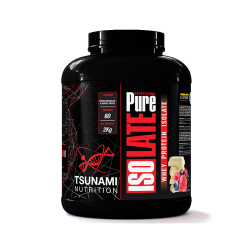
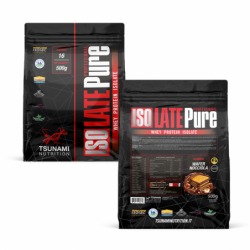
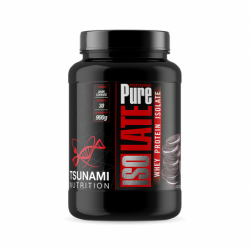
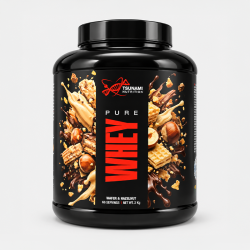
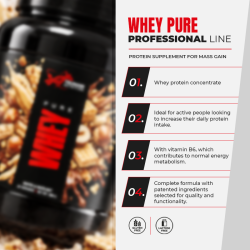
The main sources of protein available as dietary supplements are meat protein, egg protein and whey protein. Whey protein is currently the most widely used and most popular among athletes.
Plant-based protein powders
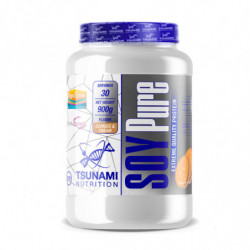
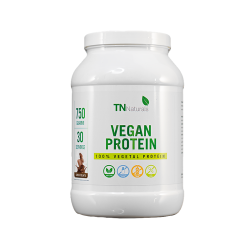
Soya protein and plant-based proteins are alternatives to animal-based protein powders. If chosen carefully from among those offered by the best manufacturers, it is possible to find high-quality products, made from selected raw materials, with an amino acid profile that meets nutritional requirements and a valuable protein content, capable of serving as a valid substitute for whey protein and other animal-based proteins.
Vegan protein shake
Ingredients
- 300 ml of almond or soya milk
- 1 scoop of plant-based protein powder (approx. 30–50 grams)
- 240 g of fruit of your choice
Method
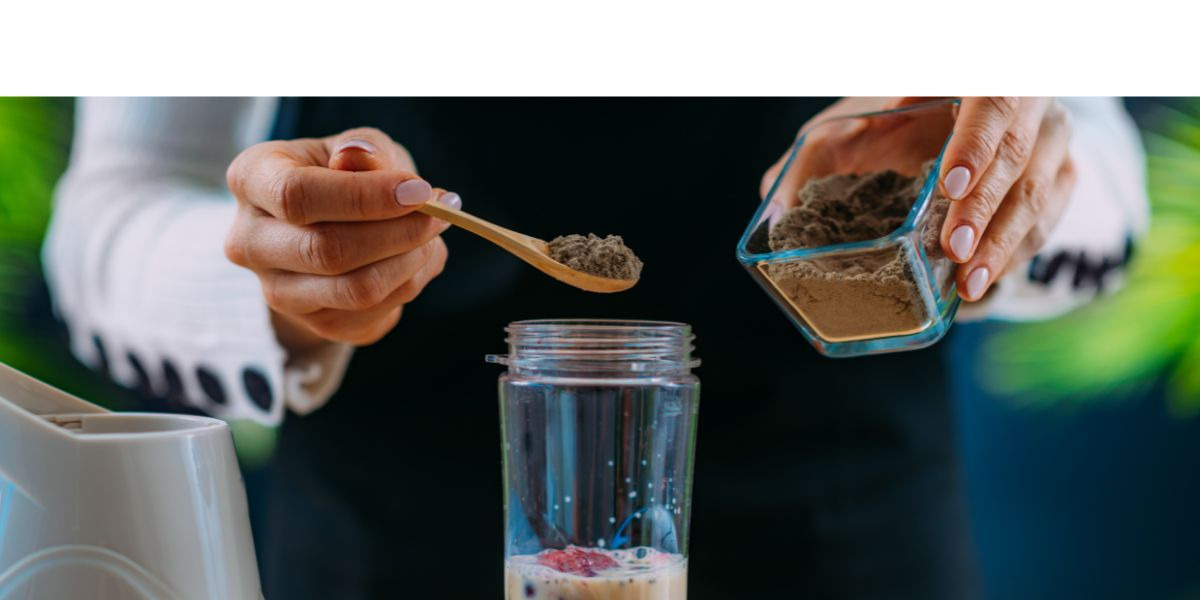
Protein shakes are one of the tastiest, quickest and easiest drinks to make. They have a fresh, thirst-quenching flavour, which can be enhanced by adding protein powders with a stronger flavour, such as cocoa or coffee, or enjoyed by letting the fruit flavours take centre stage, allowing you to add a portion of flavourless protein. Where possible, you should choose fresh, seasonal fruit. Making a protein shake is very simple: just weigh out the ingredients, put them in a blender, blend until you reach the desired consistency, and enjoy!
Protein pancakes
Ingredients
- 50 g rice flour
- 100 g egg white
- 15–30 g whey protein powder
- 40 ml almond milk (or soya milk)
Method
Protein pancakes are the ideal recipe for a breakfast with a unique flavour or a delicious post-workout snack that provides a useful dose of protein to aid muscle repair and recovery. Preparing the batter takes just a few minutes and a healthy, delicious result is guaranteed:
To begin, combine the egg white and almond milk with the rice flour and mix well until you have a smooth batter; you can use a bowl for this, or, for greater ease, a shaker. Cook the pancakes in a non-stick frying pan, one at a time. To help them cook better, you can grease the surface of the pan with coconut oil.
Once ready, the protein pancakes can be filled however you like, with jams and marmalades or delicious sugar-free spreads, such as pistachio or hazelnut protein cream.
Protein pizza
Ingredients
- 1 wholeegg
- 20–30 g whey protein powder
- 15 g gluten-free oat flour
- 1 tablespoon olive oil
- A little water
Toppings: tomato, vegetables, protein cheese or low-fat mozzarella.
Method
Make a dough by mixing all the ingredients together, adding water if the dough isn’t very pliable. Once you’ve rolled out the dough onto a baking tray to form the base of your pizza, bake it in a preheated oven for a few minutes, then top it to your liking and bake again until cooked to perfection.
Protein pizza is a light and nutritious meal, ideal for a quick meal. What’s more, it’s easy to make and is perfect for lunches and dinners when you prefer or need a dish that doesn’t take much time or preparation, but is full of flavour and can be seasoned however you like!
Protein biscuits
Ingredients
- 100 g flour or oat flakes
- 30–50 g whey protein powder
- 50 g coconut flour
- 200 ml soya milk
- 70 g dark chocolate chips
- If you like, a pinch of salt and/or stevia to sweeten
Method
In a mixing bowl, combine the oat flour, coconut flour and protein powder. Add the soya milk and mix until smooth. Add the chocolate chips and mix again. Spoon the mixture in small portions onto a baking tray lined with baking paper, then bake in a preheated oven.
Moist and tasty protein cake
Ingredients
- 100 g of oat flour or rolled oats
- 4 g stevia
- 15 g whey protein powder, in your choice of flavour
- 50 g low-fat yoghurt
- 50 g egg white
- 50 g soya milk
- 1/2 teaspoon of sunflower oil
- 1 teaspoon of instant baking powder
Method
This delicious protein cake is perfect for breakfast or as a snack. Moist and light, it’s quick and easy to make – and absolutely delicious!
In a bowl, combine the yoghurt, protein powder and sweetener, and start mixing everything together. Add the soya milk, half the egg whites and the oil, and mix until the mixture is smooth. Using a sieve, add the flour and baking powder, and only at the very end, the second half of the egg whites, which you have previously beaten until stiff. Mix again and, once the mixture is smooth, pour into a cake tin and bake at 180 degrees in a preheated oven for 25 to 30 minutes.
Frequently Asked Questions
Can I use protein powder for breakfast?
Yes. Breakfast is an essential meal: consuming protein powder at breakfast, combined with other nutrients, helps to replenish the energy used up during the night. Protein powder at breakfast increases satiety and helps curb morning hunger; they help prevent blood sugar spikes; they support weight management; and they provide muscle-building nutrition, counteracting catabolism and promoting the gain and maintenance of muscle mass.
Protein powder is available in a range of flavours and can be enjoyed in shakes, puddings, crêpes or pancakes, yoghurt, wholegrain cereals, honey, dried fruit, fresh seasonal fruit, crispbread, etc. Or to make your baking recipes – such as muffins, biscuits or cakes – even more delicious.
Which plant-based protein powders are best suited to recipes?
Soya and vegan proteins are an excellent choice for boosting the protein content of your recipes. Tn Naturals’ vegan protein powders, for example, with their delicious coffee and chocolate flavours, could be the extra ingredient you need to make and enjoy delicious, flavourful homemade brownies!
How should you store products made with protein powder?
Products made with protein powders should always be consumed and stored in accordance with standard storage times and methods.
Can I completely replace flour with protein powder in recipes?
In almost all recipes, it is not possible to completely replace flour with protein powder. Depending on the recipe, it is possible to replace a variable proportion of the flour – usually around a third – with protein powder. Protein powder, particularly whey protein, cannot completely replace flour in recipes: flour and protein powder are different products with different characteristics and cannot be used interchangeably.
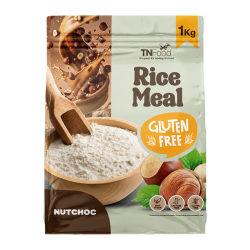
It is very important to choose the right flour for each recipe: flour, oat flakes and rice flour are versatile ingredients that lend themselves well to a wide range of recipes.
Even when flavoured, protein powders can make doughs a little dry, so it is advisable, where possible, to use them in combination with yoghurt, fruit, toppings or protein-based creams.