- Alimentation
- 40460 views
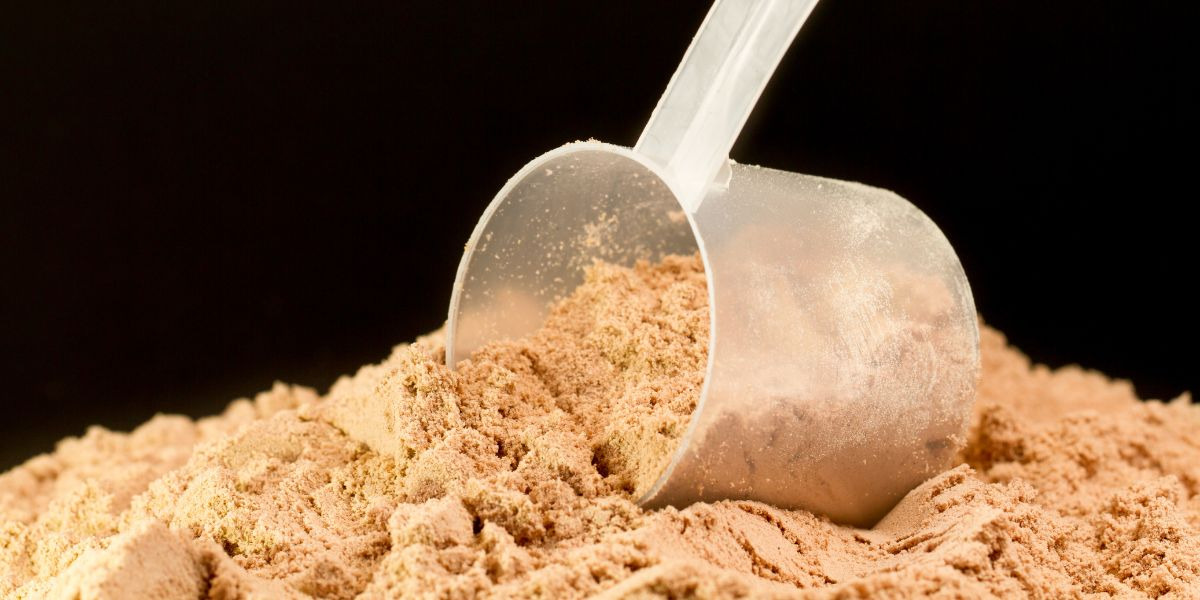
What are protein powders used for?
Protein powders are protein-based dietary supplements used by athletes and sportspeople, particularly those involved in bodybuilding, strength sports and those who need to increase their muscle mass. As well as promoting muscle growth, protein powders aid muscle recovery and improve overall performance.
Proteins can be defined as the main components of muscle tissue. Proteins are made up of amino acids, molecules which are in turn necessary for the body to initiate protein synthesis processes. Protein supplements provide the human body with the amino acids it needs to repair and build new muscle mass, particularly when there is an increased demand, such as during and after strength and endurance training.
Amino acids can be non-essential, i.e. those that our body is capable of synthesising itself; essential, meaning all those that must be obtained through diet and supplementation; and conditionally essential, meaning a subset of essential amino acids that our bodies are only capable of synthesising at certain stages of life.
Proteins are found not only in muscle tissue, but also in hair, bones and body hair.
For many athletes, meeting their protein requirements through diet alone (particularly meat) would be almost impossible and, above all, unhealthy. This is why protein supplements are among the most widely used products by athletes, particularly bodybuilders.
Protein supplements for building muscle mass can come from various sources: meat protein, egg protein, soya protein, plant-based protein and whey protein, the latter being the most popular and widely used.
The benefits of protein powder
Taking protein powder promotes muscle mass growth (protein synthesis) and tissue repair following sporting activity and training. Combined with regular physical activity, protein intake can aid weight loss and improve body composition. Proteins play a role in the synthesis of certain enzymes and hormones.
Types of protein powder
Whey protein is the most commonly used protein in sport due to its high biological value, rapid absorption, and ease of digestion and assimilation.
Whey proteins are divided into:
- Whey concentrates: produced through a filtration process, whey concentrates have a pleasant taste and a creamy texture; their protein content is 70–80 per cent, they have a lower degree of purity and are digested more slowly than isolate and hydrolysed whey.
- Whey isolate: whey isolate has a lower lactose and fat content than whey concentrate, a protein content of 90 per cent or more, and is highly digestible.
- Hydrolysed whey: these are the most easily digestible proteins thanks to an advanced hydrolysis process that breaks down the molecules, making the product ‘partially digested’ and therefore highly bioavailable.
The choice of a protein supplement should be based on your personal needs and, above all, on the quality of the product’s raw materials. Tsunami Nutrition’s whey proteins are manufactured using the finest raw materials available on the market:
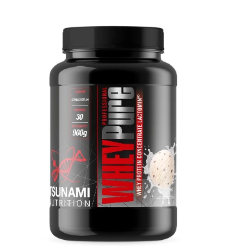
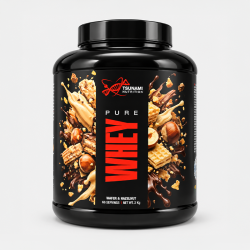
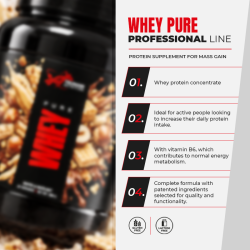
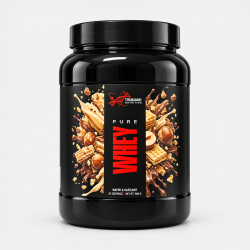
Whey Pure Professional, the new supplement developed in Tsunami Nutrition’s laboratories, is based on LACTOMIN®-certified whey protein concentrate. This patented raw material has a very high degree of purity, making it extremely soluble and easily absorbed by the body.
Complete absorption maximises the protein supply to the muscles, which promotes an increase in muscle mass. Protein plays a vital role in the muscles; it is synthesised during the process of ‘protein synthesis’ and is key to maintaining and building muscle.
Furthermore, an adequate protein intake helps prevent the dreaded muscle catabolism – that is, the breakdown of muscle tissue due to a lack of sufficient nutrients to meet the body’s needs.
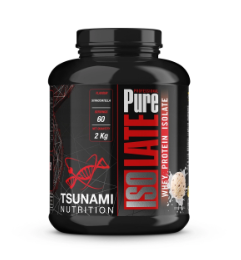
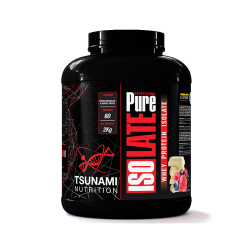
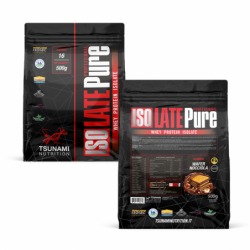
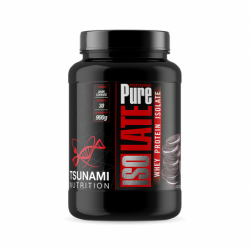
Isolate Pure Professional stands out for its unrivalled purity, as the raw material from which it is made is obtained 100 per cent using the best method, namely cross-flow microfiltration (CROSS-FLOW MICROFILTRATION CFM®), which has earned it the (CARBERY®) Isolac® certification.
Isolate Pure PROFESSIONAL provides the body with proteins and amino acids of the highest quality, a high biological value (92 per cent, completely free from fat and sugar) and a high absorption rate, thereby helping to maintain and build lean muscle mass and providing an excellent supplement to the protein intake from meals.
Isolate Pure PROFESSIONAL provides the body with the highest quality proteins and amino acids, a high biological value (92 per cent, completely free from fat and sugar) and a high absorption rate, which helps to maintain and build lean muscle mass and is an excellent complement to the protein intake from meals.
Furthermore, Tsunami Nutrition’s Isolate Pure PROFESSIONAL protein, in addition to its high content of branched-chain amino acids, contains all the essential amino acids that are vital for preventing muscle catabolism.
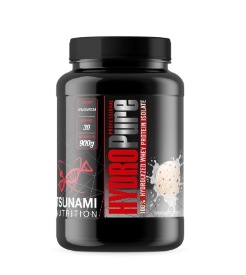
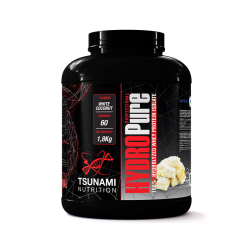
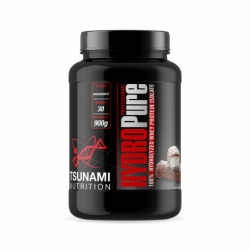
Hydro Pure Professional is a hydrolysed whey protein (OPTIPEP®). Tsunami Nutrition’s Hydro Pure Professional proteins are fast-absorbing (37% faster than isolates) and release amino acids into the bloodstream whilst promoting high insulin levels, thereby enabling glycogen stores to be replenished after an intense training session.
Tsunami Nutrition’s Hydro Pure powder formula is an excellent source of protein for those who train. Indeed, when taking part in sport, daily protein requirements increase significantly, and this protein supplement offers a tasty, creamy solution that is also rapidly absorbed by the body!
Unlike protein concentrates and isolates, hydrolysed proteins have already been broken down by enzymes into smaller peptides using microfiltration processes (CFM® – CROSS FLOW MICROFILTRATION), which enhance their absorption, digestibility, the amount of essential branched-chain amino acids (7.13 g) and glutamine (5.57 g) that reach the muscles, thereby strengthening and purifying the body and protecting the cells that make up the immune system. It is therefore a highly digestible protein, particularly as, like all hydrolysed proteins, Hydro Pure Professional is a pre-digested protein.
How and when should you take protein powder?
Protein powder can be taken at any time of day. The timing depends on the desired effect, the rate of absorption and your goals.
For athletes, a protein supplement can be taken before training, as a pre-workout snack, to provide the body with the amino acids it needs to cope with the training session, thereby minimising the effects of muscle catabolism; taken at the end of a workout, however, protein powder promotes physical recovery and aids protein synthesis, supporting muscle repair and growth.
Protein can be used not only by athletes but also by those following specific diets: it can be the ideal alternative to a solid snack or chosen to complement and enrich snacks such as puddings, protein pancakes, protein shakes and ‘fit’ baked goods.
When should you take protein powder during the day?
Protein powder is one of the supplements that can be taken at any time of day. Normally, whey protein is taken after being dissolved in water in a shaker.
As we have seen, the different types of protein (whey concentrate, whey isolate, whey hydrolysate) differ in terms of their taste, texture and digestibility. These factors should be taken into account depending on the intended use, the desired effect and absorption.
Protein powder: before or after training?
When taken before a workout, protein provides an important supply of amino acids to prepare the body for physical exertion. It can also be taken with a source of carbohydrates for a better energy boost.
After training, protein helps to limit catabolism and promotes tissue regeneration and the building of new muscle mass. Here too, consuming a portion of carbohydrates can help to restore muscle glycogen stores and aid physical recovery.
How to mix and take protein powder
The most common way to take protein powder is to use a shaker: pour in some water, add the correct amount of powder, and shake until completely dissolved.
Protein can be taken dissolved in water, but also in milk, fruit juice or other liquids, depending on personal preference.
Frequently asked questions
How often should I take protein powder?
Protein powder supplements can be taken one to three times a day: at breakfast, as a mid-morning snack, or as a liquid snack before or after a workout. The important thing is to stick to the daily dose indicated on the packaging or recommended by your doctor or nutritionist.
Protein powder is very popular with athletes, particularly bodybuilders, as it helps to increase muscle mass.
What is the recommended dose of protein powder?
The recommended dose of protein powder may vary depending on individual needs and lifestyle. In general, the following amounts are recommended:
- Athletes: 1 to 2 g of protein per kilogram of body weight
- Non-athletes: approximately 1 g of protein per kilogram of body weight
Does taking protein powder have any side effects?
When taken in the correct doses, whey protein or other natural protein powders do not pose a risk of side effects. In the event of an overdose, protein supplements may cause side effects such as digestive problems and, in severe cases, strain on the kidneys and liver.
People with food intolerances, particularly those who are lactose intolerant, should always read the allergen information on each product’s label carefully.
Is it possible for vegetarians or vegans to take protein powder?
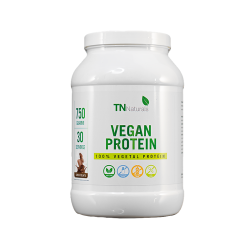
There are several alternatives to animal-based protein powders. Vegetarians and vegans can take protein supplements such as Vegan Proteinby Tn Naturals, a product made from rice, yellow pea and hemp proteins – all derived from 100% plant-based sources, which are excellent for promoting muscle growth and maintenance. Furthermore, Vegan Protein is an excellent protein supplement and a low-calorie option.
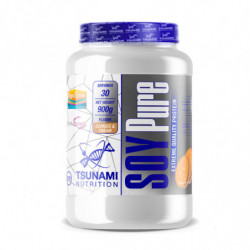
Another alternative to animal-based proteins is SOY Pure by Tsunami Nutrition, a high-quality soya protein – a very pure source of protein with a unique flavour, certified vegan.