- Alimentation
- 2860 views
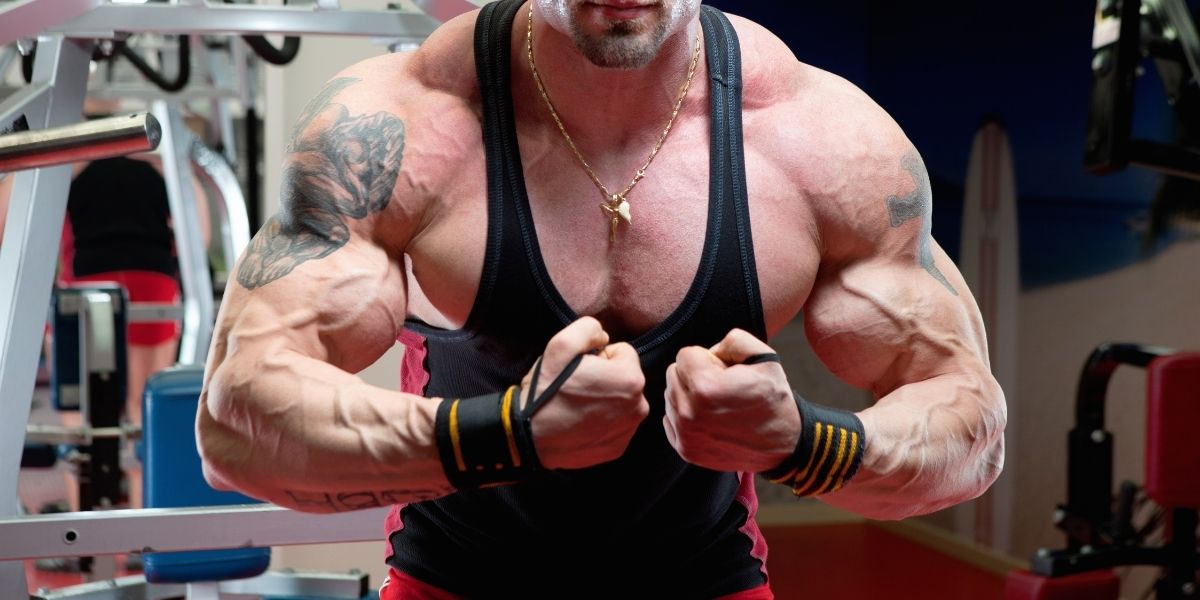
Cutting is undoubtedly the most delicate and technical phase of bodybuilding. It’s a real balancing act: you have to force your body to draw on its fat reserves whilst begging it not to break down your precious muscle tissue.
Many people still confuse ‘cutting’ with a ‘weight-loss diet’. Yet the difference is fundamental. With a conventional diet, the aim is to see the number on the scales go down, regardless of what you’re losing (water, muscle, fat). When cutting, the objective is precise: to eliminate fat tissue to reveal muscle definition, without losing a single gram of hard-earned muscle fibre.
Do you want visible abs, defined shoulders and visible vascularity without ending up flat and drained of energy? Forget the outdated advice from the 90s. Tsunami Nutrition provides you with the scientific methodology to achieve your goal step by step.
Why do a cutting phase rather than a standard diet?
Before we talk about calories, we need to understand the objective. Why is cutting different from simply ‘losing weight’? Because the focus isn’t on weight, but on body composition.
A cutting phase usually follows a bulking phase. You’ve built muscle, but you’ve inevitably stored a bit of fat. The cutting phase serves to ‘trim away’ this fat to reveal the hard work beneath. If you lose 5kg, 2kg of which is muscle, your cutting phase has failed: you’ll look smaller and less athletic. The aim is to maintain muscle mass whilst reducing body fat.
How can you cut effectively through your diet?
70 per cent of the success of your fitness journey depends on what’s on your plate. To find out how to cut without damaging your metabolism, you need to get your macronutrient intake spot on.
The Smart Calorie Deficit
A calorie deficit is essential, but it must be gradual. Start by cutting 200 to 300 kcal from your usual maintenance intake. Don’t be too aggressive from the outset, otherwise your body will adapt and halt fat loss.
Protein: The Top Priority
To cut without losing muscle, protein is your lifeline.
The target: Aim for between 2.2g and 2.5g of protein per kg of body weight. It protects lean body mass from catabolism and increases satiety, which is crucial when you’re eating less.
Fats and Carbohydrates: Strategic Adjustment
Never cut out fat completely! That’s a serious mistake. Keep your fat intake at at least 1g per kg to maintain your testosterone levels. Carbohydrates are the variable you need to adjust: concentrate your intake around your workout to provide energy, and cut back on them for the rest of the day.
How to successfully cut through a tailored training programme?
There’s a persistent myth in the gym: “To successfully cut, you need to do light sets of 20 reps.” This is false and counterproductive.
Maintain the intensity, reduce the volume
When in a calorie deficit, your body tries to conserve energy. If you stop lifting heavy weights, you’re signalling to your body that your muscle mass is no longer needed.
To successfully cut, you must maintain the same heavy loads and the same intensity (mechanical tension) as when bulking. This is what forces the body to retain muscle. If you’re getting too tired, reduce the number of sets, but not the weight on the bar!
Cardio: A tool, not a foundation
Cardio shouldn’t be your main method, but a bonus to help create a calorie deficit. Opt for LISS (walking on an incline) so as not to affect your recovery, or use HIIT sparingly.
A successful cut also depends on sleep (the forgotten factor)
You may have the perfect diet and the ideal training programme, but if you don’t sleep, you’ll fail. A successful cut depends heavily on your hormones, particularly cortisol.
A lack of sleep causes your cortisol levels (the stress hormone) to skyrocket. In excess, cortisol promotes the storage of abdominal fat and water retention, giving you a ‘flabby’ and puffy appearance. Sleeping 7 to 9 hours a night is essential to optimise growth hormone (GH) secretion and enable fat oxidation.
Frequently Asked Questions
My weight has plateaued for the last two weeks – what should I do?
This is the number one problem when trying to successfully cut. Your body has adapted to your calorie intake (metabolic adaptation). Don’t cut your calories straight away!
The solution: Increase your energy expenditure (add 15 minutes’ walk each day) or do a ‘refeed’ (a day of maintaining your usual carbohydrate intake) to boost leptin levels. If there’s still no change after another week, only then should you cut your calorie intake by 100 kcal.
I’m losing strength during training – am I losing muscle?
Not necessarily. This is the biggest fear for anyone trying to cut. A drop in strength is normal because your glycogen stores (the sugar stored in your muscles) are depleted. You have less ‘oomph’, but your muscle fibres are still there.
As long as your protein intake is high (2.2g/kg) and you carry on lifting heavy weights (even if you’re doing two reps fewer), your muscle is protected.
Can you lose fat in specific areas (just the tummy)?
No, localised fat loss is a myth. To successfully cut, you have to accept that you can’t choose where you lose fat. Generally, abdominal fat is the last to go in men (and hip fat in women) for hormonal and genetic reasons. Be patient; your lower tummy will eventually slim down if you maintain the calorie deficit.
How can you avoid putting all the fat back on after cutting? (The yo-yo effect)
This is the fatal mistake: going back to eating ‘as before’ as soon as the cut is over. Your metabolism has slowed down and your body is like a sponge soaking up calories at that point.
To stabilise your results, you need to follow a ‘Reverse Diet’: gradually increase your carbohydrate intake (for example, +20g of carbohydrates per week) over the course of a month. This helps to kick-start your metabolism without storing fat.
Is intermittent fasting essential for cutting?
Absolutely not. Intermittent fasting is a useful tool for managing hunger (by skipping breakfast, you can have larger meals in the evening), but it’s not a magic solution. When it comes to cutting, what matters at the end of the day is your total calorie intake and the amount of protein you consume – it doesn’t matter whether you eat within an 8-hour or 12-hour window.