- Alimentation
- 10777 views
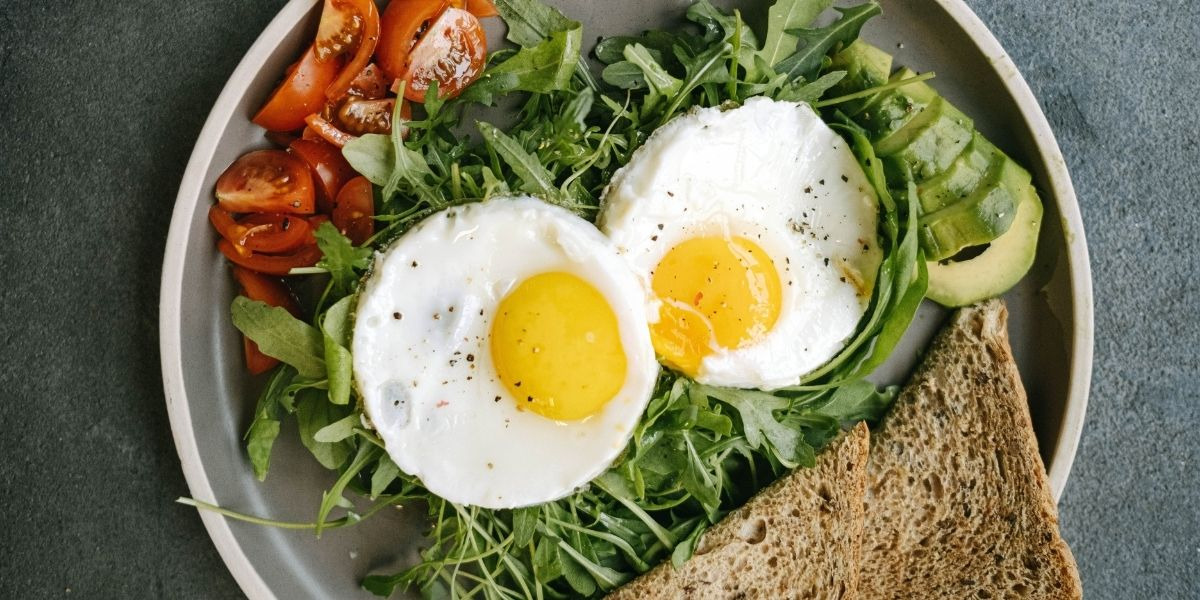
In France, breakfast is a cultural institution, but it is all too often a metabolic disaster. Toast with jam, processed cereals or simply a coffee and croissant are the norm. Yet this pattern of eating, high in fast-acting sugars and low in essential nutrients, is a legacy that does your body a disservice.
If you experience energy slumps around 11am, if you’re putting on belly fat despite your best efforts, or if your concentration is all over the place, the culprit is often in your bowl.
There’s a simple method to turn things round, backed by chronobiology and adopted by top-level athletes: a protein-rich breakfast. It’s not just a fitness fad; it’s a complete hormonal reset. Tsunami Nutrition explains why and how to transform your first meal of the day to unlock your potential.
The science behind the protein-rich breakfast: Why the amount matters (the 30g threshold)
For a long time, it was believed that eating ‘a little’ protein in the morning was enough to stay healthy. Recent research has dispelled this misconception. It’s not just about the presence of protein, but the critical amount consumed.
Comparative clinical studies have highlighted a fascinating phenomenon: the metabolic activation threshold. When comparing groups consuming a standard breakfast (around 13g of protein) with a group consuming a high-protein breakfast (35g of protein), the results are clear-cut.
The 35g group enjoyed superior blood sugar stability not only in the morning, but throughout the day. In practical terms, these individuals spent only around twenty minutes a day in a state of hyperglycaemia, compared with several hours for those who consumed little or no protein.
Why is there such a difference?
You need to exceed the 30g threshold to trigger two powerful mechanisms:
- Leucine saturation: This is the kingof amino acids. Below a certain threshold, muscle synthesis (anabolism) does not kick in fully. With 30g+ of protein, you saturate the blood with leucine, sending a strong signal for muscle building after an overnight fast.
- Thermic effect and satiety: A large dose of protein drastically reduces ghrelin (the hunger hormone). This explains why a protein-rich breakfast often leads to consuming fewer calories for the rest of the day, without feeling deprived.
Neurotransmitters: ‘Firing up’ the brain with a protein-rich breakfast
Beyond muscles and blood sugar levels, it’s all down to the brain. To wake up, get motivated and kick-start the body, your system needs to produce a specific neurotransmitter: dopamine. This is the molecule responsible for ‘drive’ and action.
However, to synthesise this precious dopamine, your brain absolutely needs an amino acid called tyrosine, which is found in abundance in animal proteins (eggs, meat, cheese). Eating a protein-rich breakfast is literally like handing your nervous system the ignition key. Conversely, a sugary meal will boost serotonin, the hormone associated with relaxation… and sleepiness.
What ingredients make for a successful protein-rich breakfast?
Putting together a nutritious meal doesn’t require you to be a Michelin-starred chef, but rather to prioritise bioavailability. Here are the key elements to focus on.
- Eggs: They remain the absolute benchmark, the ‘gold standard’. The yolk provides choline, which is essential for the brain, and healthy fats, whilst the white supplies pure albumin. It is the most complete food for breaking your fast.
- Dairy products (Skyr, fromage blanc): Their strength lies in casein. This slow-digesting protein forms a ‘clot’ in the stomach that releases amino acids drop by drop throughout the morning.
- Fish and Meat: This is the purists’ choice. A slice of smoked salmon or turkey breast provides unrivalled nutritional density (iron, creatine, B12).
- Whey Isolate: The ultimate technical solution. If you don’t have much of an appetite when you wake up, it makes it easy to reach that famous 30g threshold without weighing down your stomach.
3 Protein-Packed Breakfast Recipes (Sweet Version)
Can’t do without something sweet in the morning? That’s perfectly understandable. Here’s how to enjoy it without sacrificing your muscle mass.
1. The ‘Anabolic Bowl’ with Oats & Whey
This is the undisputed classic in gyms. Quick, effective and perfectly balanced.
Method: Prepare 50g of rolled oats with almond milk. Once you’ve achieved the desired consistency, add 30g of Whey Isolate (Vanilla or Chocolate) and mix vigorously. Finish with a handful of blueberries. It’s the perfect combination to hit your 30g protein target with moderate-glycaemic-index carbohydrates.
2. Tsunami Pancakes (The Gourmet Option)
Who said pancakes are off-limits for athletes? It’s all down to the flour.
How to make them: If you don’t have time to carefully measure out flour and egg whites, our Tsunami Protein Pancake mix is the ideal solution. Mix one serving with water and cook in a frying pan. You’ll get a fluffy texture with a complete amino acid profile, without the glycaemic load of traditional white wheat flour.
3. The ‘Start-Up’ Smoothie
For those in a hurry who can’t eat anything solid before 10 am.
Method: Blend 150g of skyr or 0% fat fromage blanc, 1 scoop of whey, 1 banana (if bulking) or red berries (if cutting), and a teaspoon of peanut butter. Refreshing, easy to digest and rich in probiotics.
3 Protein-Packed Breakfast Recipes (Savoury Version)
This is the option recommended by our experts to maximise dopamine production and maintain stable blood sugar levels.
1. The Warrior’s Omelette (Eggs & Vegetables)
Method: Beat 3 whole eggs (preferably organic or free-range), pour into a hot frying pan, add a handful of fresh spinach and 30g of feta before folding. This is a ‘zero-carbohydrate’ meal, consisting of 100% protein and healthy fats. Ideal for kick-starting lipolysis (fat burning) first thing in the morning.
2. Royal Avocado Toast
Method: Toast 2 slices of wholemeal or sourdough bread, spread with half a mashed avocado, and top with 2 slices of smoked salmon (or 2 soft-boiled eggs). It’s packed with omega-3s and fibre, excellent for cardiovascular health and concentration.
3. The ‘British Light’
How to make it: 2 fried eggs, 1 slice of top-quality ham and 100g of white beans in tomato sauce. Very filling thanks to the fibre in the pulses, it’s the perfect fuel for long days.
Tailoring your protein-rich breakfast to your goals
Not all breakfasts are created equal, depending on whether you’re aiming to bulk up or get lean. The composition changes, but the 30g protein base must remain constant.
For bulking up: Here, protein alone isn’t enough – you need energy-dense foods. Keep the protein base but don’t be afraid to load up on carbohydrates. Double the amount of oats in your bowl, add a banana and some honey to your pancakes, or have wholemeal bread with your eggs. Feel free to add fats (almond butter, whole eggs) to boost the total calorie count.
For Weight Loss (Cutting): The aim is to keep insulin levels as low as possible. You should definitely opt for savoury options. If you do eat something sweet, cut out high-carbohydrate foods (no oats, no bananas) and focus on the protein and fat combination (eggs, avocado, nuts). This helps keep the body in fat-burning mode whilst keeping hunger at bay until midday.
Conclusion on protein-rich breakfasts
Switching to a protein-rich breakfast is undoubtedly the simplest yet most impactful change you can make for your physical and mental well-being. It’s not a restriction; it’s metabolic optimisation.
By meeting this critical threshold of 30g of protein as soon as you wake up, you’re not just nourishing your muscles: you’re regulating your blood sugar and energy levels for the next 12 hours.