- Alimentation
- 1364 views
If you train regularly and are looking for smart sources of carbohydrates for breakfast, pre-workout or balanced meals, you’ve no doubt heard of oat flour, rice flour and sweet potato flour.
Although they may seem identical to you, there are actually many differences between these flours.
Each flour has its own nutritional profile, a different rate of absorption and specific benefits depending on your goal: building muscle, staying lean or maintaining steady energy levels during your workout. Some are higher in fibre, others are digested more quickly, whilst others are ideal for those following a gluten-free diet.
Oat flour
Oat flour is made by grinding whole oats, a cereal known for its complete nutritional profile and its satiating effect. It has a naturally creamy texture, dissolves well in liquids and lends itself to a wide range of recipes: from porridge to protein pancakes, right through to post-workout shakes.
It is highly valued by athletes as it is a sourceof slow-release energy, ideal for balanced breakfasts or pre-workout snacks, helping to maintain stable blood sugar levels and support performance.
What’s more, thanks to its fibre content – particularly beta-glucans – it aids digestion, regulates bowel movements and plays a role in managing cholesterol levels. If you’re looking for a ‘smart’ source of carbohydrates that won’t leave you feeling drained after half an hour, oats are one of the best options.
Average nutritional values per 100 g of oat flour
Fitness tip: TN Food Instant Oatmeal
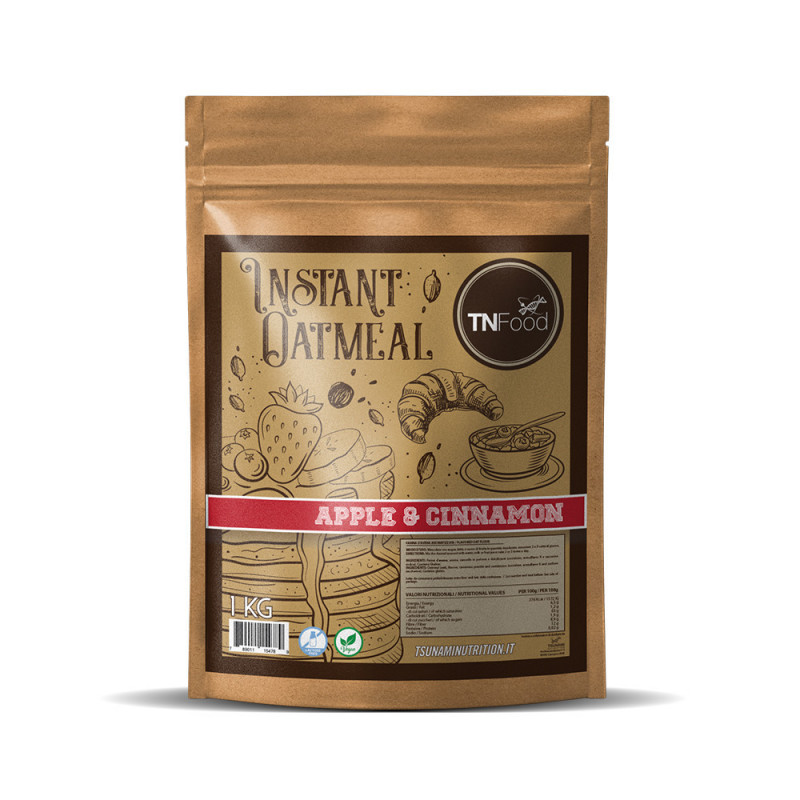
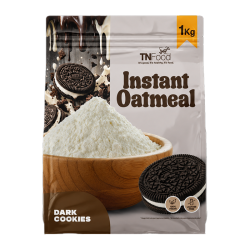
If you’re looking for a complete, balanced food that’s perfect for supporting your workouts, TN Food’s Instant Oatmeal is the ideal choice. It is a 100% natural oat flour, made from finely ground oat flakes, lactose-free and also suitable for those following a vegan diet.
It’s designed for those who want a steady supply of energy, without blood sugar spikes, and with an excellent nutritional profile: rich in fibre, plant-based protein and essential micronutrients such as calcium, magnesium, iron, zinc and B vitamins. Thanks to its gradual release of carbohydrates, it’s perfect for breakfast, before a workout or as a base for healthy snacks.
One of its key strengths? The variety of flavours available, both sweet and savoury: from classic chocolate and pistachio to ‘pizza’ or ‘cheddar’ versions for savoury alternatives.
Rice flour
Rice flour is produced by grinding rice grains, whether wholegrain or refined. It is naturally gluten-free, light and very easy to digest, which is why it is often recommended in diets for people with coeliac disease, children or those suffering from gastrointestinal disorders.
In a sporting context, it is a good source of fast-absorbing carbohydrates, ideal for consumption after training to help replenish glycogen stores. It has a neutral flavour and a fine texture, making it perfect for creating weight gainers, puddings or post-workout smoothies.
Please note, however: as it is low in fibre and protein, we recommendcombining it with a source of protein or healthy fats to slow down the release of energy and avoid rapid spikes in blood sugar levels.
Average nutritional values per 100 g of rice flour
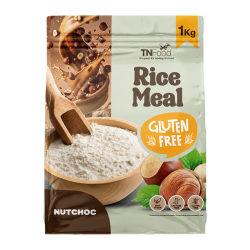
Fit tip: Rice Meal by TN Food
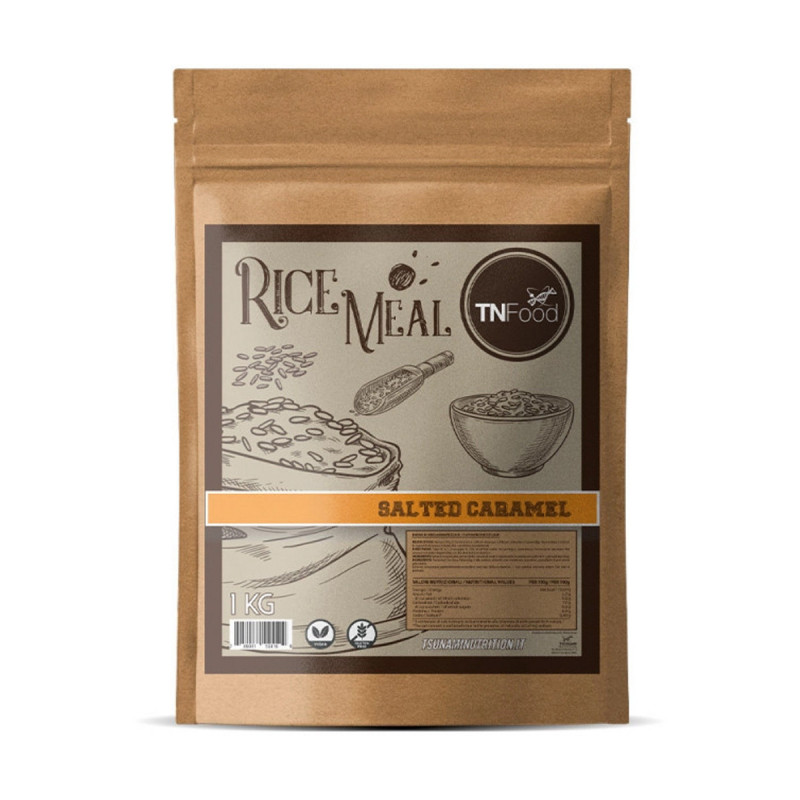
If you’re looking for an alternative to traditional flour that’s gluten-free, light and easy to digest, TN Food’s Rice Meal is one of the most popular products in the Tsunami store. It’s a 100% natural white rice flour, designed to enhance the diets of athletes, but also perfect for those following weight-loss, vegan or lactose-free diets.
Rice has always been a staple of balanced diets: a source of complex carbohydrates with controlled release, rich in highly digestible starch and boasting an excellent sodium-to-potassium ratio. Compared to other cereals, rice flour has a very low fat content, making it suitable for those following a low-calorie diet.
Sweet potato flour
Sweet potato flour is produced by dehydrating and grinding sweet potatoes, a tuber naturally rich in complex carbohydrates, fibre and micronutrients. It’s one of the smartest choices if you’re looking for a source of slow-release energy.
Compared to other flours, it has a naturally sweet taste and good nutritional density. It’s particularly useful as a pre-workout snack, as it provides steady energy, or in main meals to promote satiety without feeling heavy. What’s more, it’s gluten-free and well tolerated even by those with sensitive digestive systems.
It’s also widely used during bulking phases or in functional recipes for athletes: you can mix it with protein, oats, dried fruit or yoghurt to create balanced meals and homemade weight-gain shakes.
Average nutritional values per 100 g of sweet potato flour
Which flour should you choose? A comparison of oats, rice and sweet potato
If you need to choose a functional flour to incorporate into your sports diet, as we’ve said, there’s no one-size-fits-all answer: it all depends on your goal, the time of day and your personal needs. Here’s how to make the right choice:
- Do you want sustained energy and a feeling of fullness for breakfast or pre-workout snacks? Choose oat flour: it’s rich in fibre and protein and provides a gradual release of energy. Perfect for porridge, pancakes or blending into a shake with protein and plant-based milk;
- Do you need light, fast-absorbing carbohydrates post-workout? Go for rice flour: easy to digest, gluten-free and excellent when combined with a source of protein to immediately replenish your energy;
- Looking for a natural, gluten-free alternative for complete meals or ‘bulking’ recipes? Try sweet potato flour: naturally sweet, high in fibre, perfect for bulking up or for those with sensitive stomachs.
Whether you’re looking for energy for your workout, a protein-packed breakfast or a healthy flour for your recipes, TN Food flours are designed to give you the very best: taste, quality and functionality. Try them in all their sweet and savoury varieties and discover just how simple eating well can be, even when you’re working towards fitness goals. Check out the shop at tsunaminutrition.fr.