- Alimentation
- 29644 views
Most people who take part in physical activity, particularly weight training or sports that involve lifting weights, have as their main objectives eitherincreasing muscle mass or, conversely, losing weight. However, to achieve these goals, working out at the gym is not enough; it must be accompanied by a proper diet based on fresh foods rich in macronutrients (carbohydrates, fats and proteins).
However, diet alone does not always provide the ideal amounts of these macronutrients, for various reasons. Indeed, your diet may not be sufficiently balanced and may fail to meet your body’s needs. Whilst the absorption of fats and carbohydrates can be facilitated simply by increasing the quantities consumed, the same does not apply to protein.
Protein is found in greater quantities in certain foods, such as meat or certain vegetables, but to consume an adequate amount, you need to eat large quantities of these foods. This is why protein supplements exist, allowing you to consume large amounts of protein without having to eat huge portions.
There are currently three types of protein powder on the market: protein concentrates, protein isolates and hydrolysed proteins. However, in this article, we will focus on the differences between the two best sources of protein, namely protein isolates and hydrolysed proteins.
What are protein isolates?
Protein isolates are the purest form, as their protein content is very high (90–95 per cent). They are produced using a more sophisticated and innovative process, which separates them as much as possible from other components such as fats, minerals and lactose.
Protein isolates can be extracted from various sources, such as meat, milk or plants, but the most commonly used are undoubtedly whey proteins, as they have a unique protein content and amino acid profile.
Furthermore, thanks to their production process, they are absorbed very quickly by the body, within 30 minutes to an hour. They are therefore ideal for those who have little time to devote to meals and are looking for a quick, protein-rich meal to consume before training.
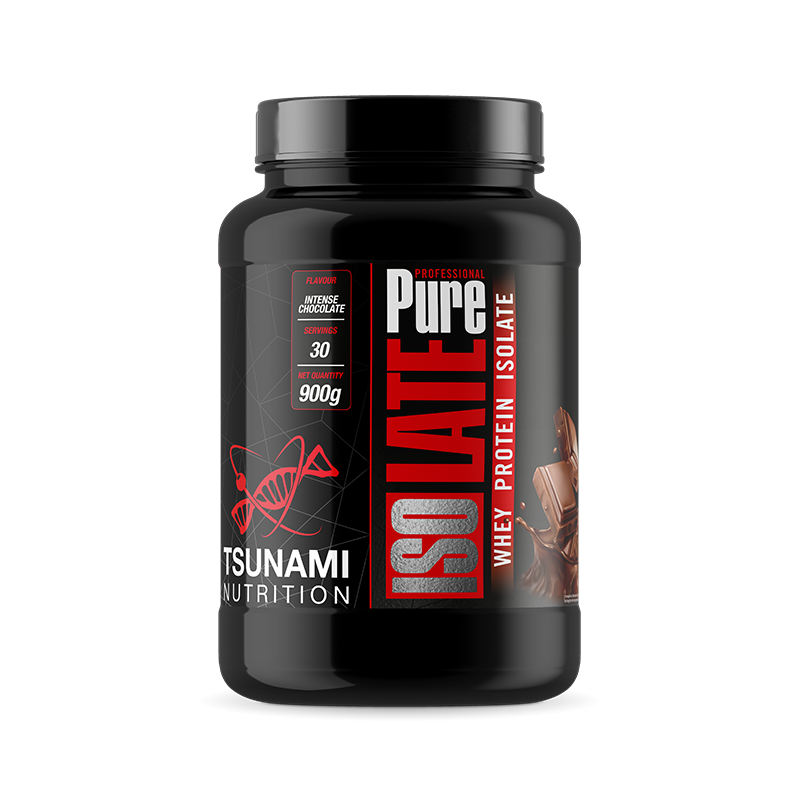
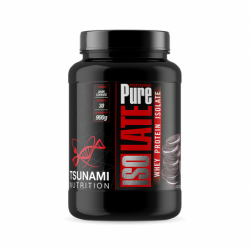
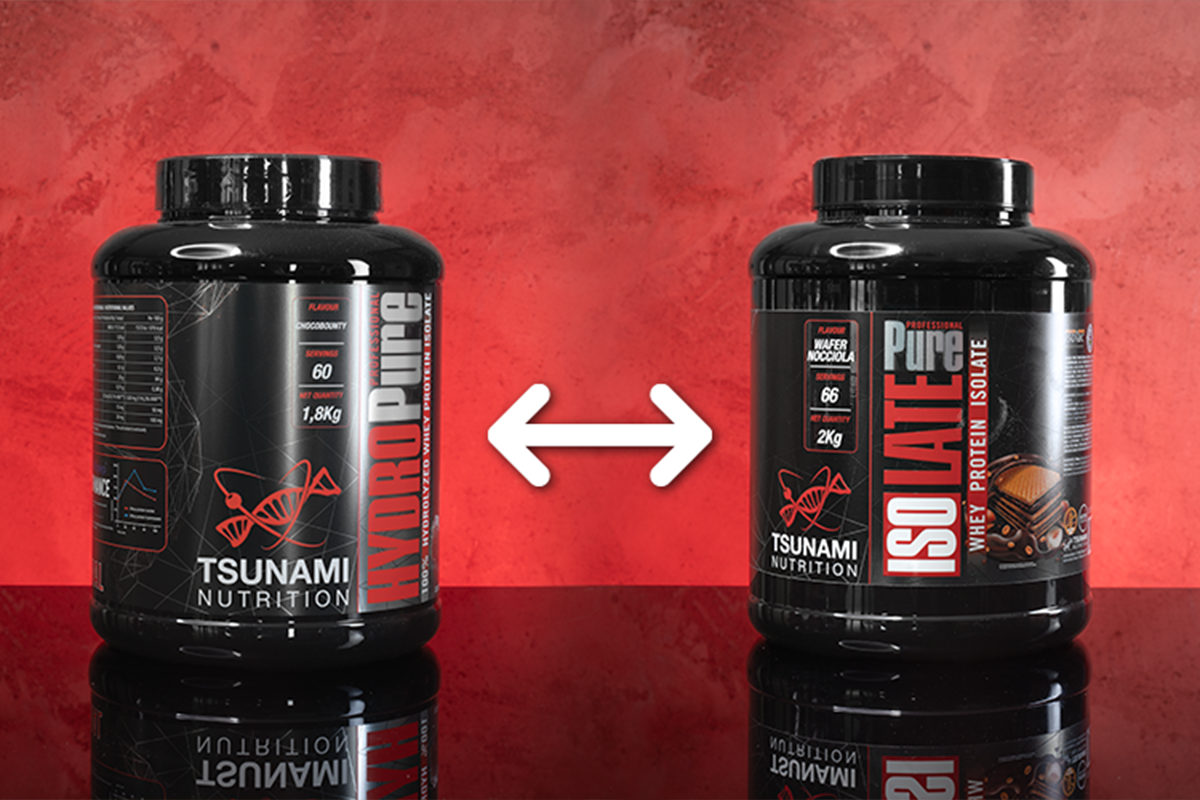
To this end, Tsunami Nutrition has created Isolate Pure Professional, a supplement based on patented Isolac CFM® protein isolate powder, manufactured using the best production method, cross-flow ultra-microfiltration, which combines a high protein content with rapid absorption to promote muscle mass gain whilst enabling improved muscle recovery, thanks to its exceptional amino acid profile.
Protein isolate extraction process
Protein isolates are a higher-quality type of protein compared to standard protein concentrate powders, due to the processing method they undergo.
These protein powders can be isolated using microfiltration or cross-flow filtration.
The first method preserves all the main protein fractions and the amino acid profile whilst reducing sodium content, thereby minimising water retention. This is undoubtedly the best process, as it yields a composition comprising 90 per cent protein and enables faster absorption.
In contrast, cross-flow filtration yields a higher amino acid content (over 90 per cent), but unfortunately causes denaturation, resulting in the loss of certain protein components and important protein fractions due to the high temperatures involved.
Benefits of protein isolates
Consuming protein isolates provides the muscles with the amino acids needed to support protein synthesis, thereby preventing catabolism. This is ideal for those who engage in intense physical activity, as it helps to increase muscle mass.
Furthermore, these proteins provide effective support for meeting the recommended daily protein intake throughout the day. Indeed, they can be used as a meal or snackas part of a weight-loss programme.
Thanks to their high protein content, which can reach 90 per cent, protein isolates are the best on the market. Furthermore, they are virtually free from lactose and cholesterol – though not 100 per cent free, as these are removed during production. They are therefore perfect for people who are lactose intolerant and are very easy to digest for those with a sensitive stomach or digestive system.
What are hydrolysed proteins?
Hydrolysed proteins are obtained from a mixture of amino acids and peptides derived from animal or plant sources that are highly bioavailable and of high biological value, produced through a process known as hydrolysis.
Thanks to an advanced microfiltration process, they are absorbed almost 40 per cent faster than other proteins.
It is recommended to consume them after training, and also 30 to 60 minutes before exercise. Indeed, their absorption is virtually instantaneous, allowing all essential amino acids to enter the bloodstream and ensuring a strong anabolic effect or, in the event of calorie restriction, helping to preserve lean body mass thanks to branched-chain amino acids (BCAAs).
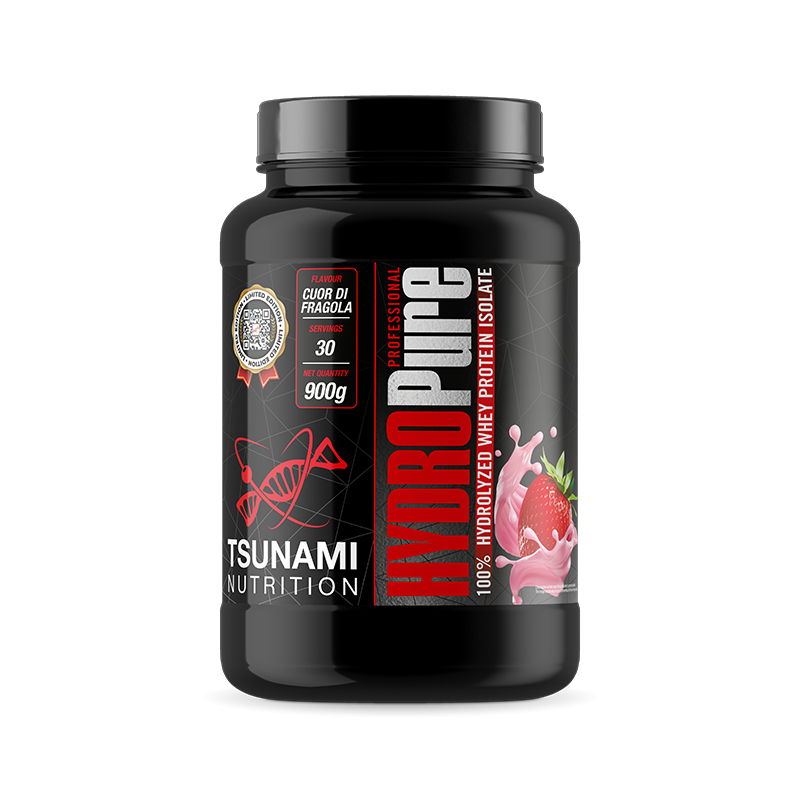
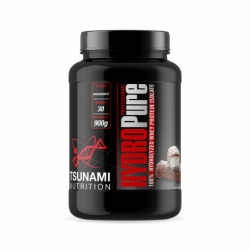
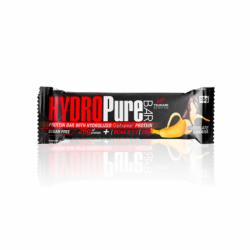
As for hydrolysed proteins, the team at Tsunami Nutrition has created the Hydro Pure Professional and Hydro Pure Bar products, which are made from patented OPTIPEP® hydrolysed whey protein using the CFM® microfiltration process, which enhances their absorption, digestibility, the amount of essential branched-chain amino acids and glutamine that reach the muscles, thereby strengthening and purifying the body as they have already been broken down by enzymes into smaller peptides.
Protein hydrolysis process
Hydrolysis is a process by which proteins are broken down into small molecules, namely dipeptides, tripeptides and oligopeptides, mimicking the digestive action of the stomach and intestines, which break down proteins using specific enzymes.
The peptides thus obtained always retain the same amino acid profile as the protein from which they are derived (generally proteins of animal origin). However, as they are already partially digested, the time hydrolysed proteins spend in the stomach is considerably reduced, and they can quickly reach the intestine, where the dipeptides and tripeptides they consist of can be absorbed very rapidly into the bloodstream – even more quickly than individual amino acids.
By utilising these mechanisms, consuming hydrolysed protein powder leads to a significant increase in blood amino acid levels after just 30 minutes.
Comparison between protein isolates and hydrolysates
Protein purity
The difference between the purity of protein isolates and that of hydrolysed proteins lies essentially in the production process used to process the raw material, namely whey.
Indeed, these two types of protein have different purity values and percentages:
- Protein isolates: 90–95% purity
- Hydrolysed proteins:80% purity
Rate of absorption
The second point of comparison between protein isolates and hydrolysed proteins concerns the rate of absorption.
Thanks to their production process, protein isolates are absorbed very quickly by the body, within 30 to 60 minutes, making them ideal for those looking for a quick, protein-rich meal to eat before a workout. However, the type of protein with the fastest absorption rate is undoubtedly hydrolysed protein.
Indeed, thanks to the advanced microfiltration process used in their manufacture, hydrolysed proteins are absorbed 40 per cent faster than other proteins. This is because the peptides are extremely small, allowing for virtually instant absorption and the release of all essential amino acids into the bloodstream.
Frequently Asked Questions
Can I take both protein isolates and hydrolysed proteins at the same time?
Of course, it is possible to take both protein isolate and hydrolysed protein at the same time.
Thanks to their different production and processing methods, these two types of protein powder can be taken simultaneously – for example, hydrolysed protein as a pre-workout snack and protein isolate after a workout as a snack to enhance muscle growth.
Are protein isolates and hydrolysed proteins suitable for people who are lactose intolerant?
Yes, protein isolates and hydrolysed proteins can be consumed by people with lactose intolerance.
This is possible thanks to the processing and production methods used to treat whey protein. Microfiltration and hydrolysis ensure that the product contains only a very low level of lactose, which is not harmful to people with lactose intolerance or an allergy to lactose.