- Diet
- 29120 views
Do protein powders help with weight loss?
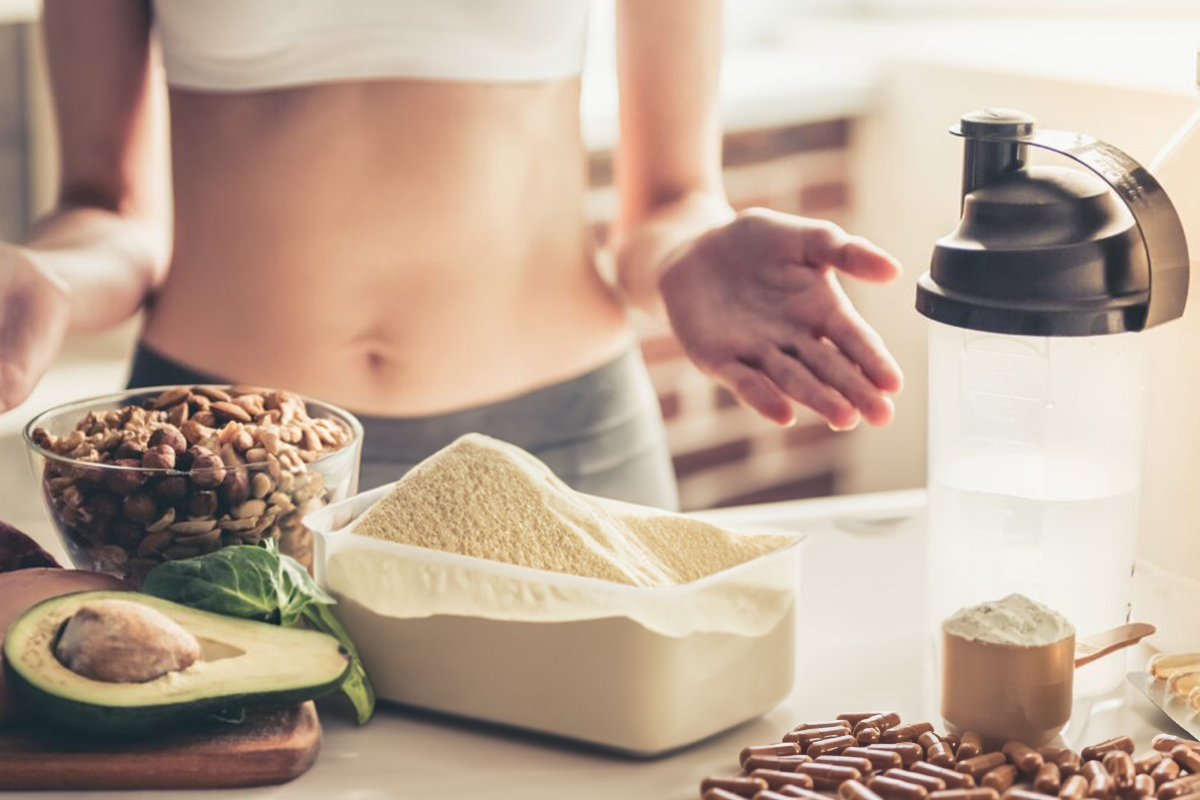
Consuming protein powder can aid weight loss. Incorporating protein powder into a diet aimed at losing body fat can be an effective choice, but it is a decision that each individual, depending on their personal circumstances and goals, should discuss with their doctor, their nutritionist or their trainer in the case of people engaged in intense physical activity, such as athletes.
Protein powders aid weight loss because they provide the amino acids needed tobuild muscle mass; low-calorie, high-protein diets, combined with regular physical activity, can promote fat burning and improve the ratio of lean body mass to body fat. Reducing your intake of sugars and fats in favour of a higher protein intake can be essential for maintaining and increasing lean muscle mass at the expense of fat deposits.
Of course, a diet based on increased protein intake at the expense of carbohydrates and fats must be agreed with your doctor and tailored to the individual’s specific needs. There are obviously different needs – and therefore different approaches – between an athlete who needs to improve their body composition and an overweight person who needs to change their lifestyle and start a programme to improve their physical fitness.
The proven benefits of consuming protein powder have long been recognised, particularly in the world of sport, especially amongst athletes practising disciplines such as bodybuilding. Consuming high-quality protein with a complete amino acid profile enables the body to repair muscle fibres damaged by physical exertion more quickly, promoting and accelerating post-workout recovery, increasing muscle mass, improving energy efficiency and reducing fatigue.
Protein supplements can therefore provide excellent and effective support both as part of a muscle-building and growth programme and as part of a weight-loss programme aimed at reducing body fat.
In summary, the main benefits of consuming protein powder are as follows:
- Promotes the growth of lean muscle mass
- Reduces fatigue and exhaustion
- Combats muscle catabolism
- Supports normal energy metabolism
And for those following a weight-loss programme:
- Loss of body fat
- Reduces or helps control body weight
How to use protein powder to lose weight
Choosing the right type of protein powder
Whey protein is the most common and widely used protein supplement. Whey protein is obtained as a by-product of cheese production and accounts for around 20 per cent of the total protein in milk; the remainder consists of caseins or slow-release proteins.
Whey protein is divided into:
- Whey concentrate: this has a protein content of around 80 per cent and low levels of lactose and fat.
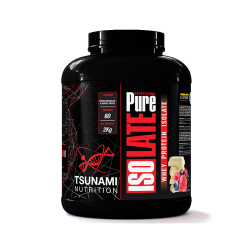
- Whey isolate: with a high degree of purity, it has a protein content of up to 95–96 per cent and a very low lactose content.
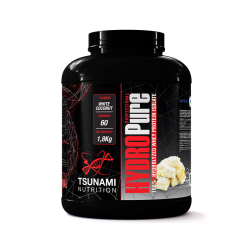
- Hydrolysed whey: this is the most easily digestible form of whey protein, thanks to a processing method that pre-digests the product, enabling it to be absorbed much more quickly by the body.
As for casein – that is, slow-release or slow-absorption proteins – this is a dietary supplement which, due to its slow digestion, is particularly suitable for taking before bed: to prevent night-time hunger pangs and provide the muscles with a complete supply of nutrients even whilst you sleep.
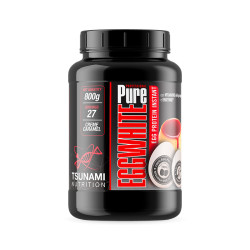
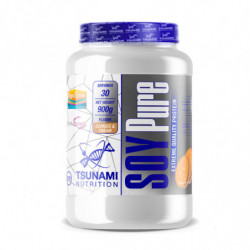
Of course, protein sources are not limited to milk proteins; there are various types of protein supplements to choose from, depending on your needs and taste preferences. These include: egg protein, meat protein, soya protein ( Soy Pure) and vegan protein.
Consuming protein helps combat muscle catabolism, promotes anabolism, stimulates protein synthesis and aids weight loss.
The best time to take protein powder
Protein powder can be consumed once or several times a day. You may choose to have it first thing in the morning: a protein-rich breakfast increases feelings of fullness, helps prevent blood sugar spikes and reduces ‘cravings’ between meals. In reality, there is no set time of day for consuming protein powder to lose weight: whether during main meals or as a mid-morning, afternoon or bedtime snack (as is the case with casein), its purpose is to ensure you feel full and to provide nutrients to your muscles.
Dosage and frequency of protein powder
In principle, the amount of protein powder to include in your diet is approximately 1.5 to 2 grams per kilogram of body weight. In the case of particularly restrictive diets, it may be more appropriate to consume the maximum recommended amount of protein.
As we have seen, protein can come from animal or plant sources: as part of a high-protein diet, it is recommended that three-quarters of your protein requirements be met through your diet and the remainder, around 25 per cent, through supplements.
Combination with other weight-loss methods
To achieve results in terms of weight loss and a reduction in body fat in favour of lean body mass, it is essential to adopt a healthy and balanced lifestyle in every respect, to follow a diet tailored to one’s goals, and to engage in regular physical activity.
Protein powder supplementation alone is not sufficient to bring about significant weight loss and, in most cases, relying exclusively on protein powder in the hope of achieving weight loss may even prove counterproductive.
Frequently Asked Questions
Can protein powders replace meals?
Protein powders should not be used to replace main meals. Specific products known as meal replacements, available in powder or bar form, are designed for this purpose. Meal replacements, such as Fitmeal by Tn Food or XtraBar bars by Tsunami Nutrition, are products that provide an ideal nutritional intake for people following a low-calorie diet, a weight-loss diet or a high-protein diet. Depending on individual needs, they can be used to replace one or two main meals a day.
Are there any side effects associated with consuming protein powder for weight loss?
No, consuming protein powder in the correct doses has no side effects. Protein powder is a supplement that meets any increased need for these nutrients.
How long does it take to see weight loss results from using protein powder?
Protein powder can be used to lose weight if combined with a low-calorie diet and physical activity. Generally, significant results in terms of weight loss and improved fitness are seen within four weeks of starting supplementation, combined with a healthy and active lifestyle.
Can protein powder be consumed whilst breastfeeding or during pregnancy?
Although protein powder can be consumed safely at the recommended doses, it is best for pregnant or breastfeeding women to seek advice from their GP or paediatrician before taking it. There are no side effects associated with consuming protein powder, but people with allergies or intolerances should still seek advice from their doctor before starting to take it.