- Health and wellness
- 41585 views

What is bromelain and what is it used for?
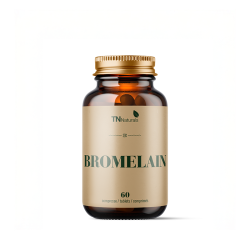
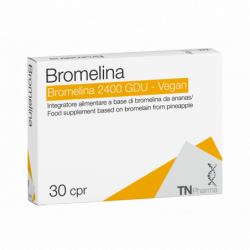
Bromelain is a natural enzyme extracted from the pineapple stem, which has been used for centuries in Mesoamerican folk medicine and has been the subject of scientific studies since 1891. It is valued for its anti-inflammatory, draining and digestive properties, as well as for its beneficial effect on microcirculation and the body’s general wellbeing. In recent years, it has become particularly well known for its decongestant effect and its ability to help eliminate excess fluid, a factor that contributes to weight loss when combined with a healthy lifestyle. Bromelain is not a direct fat-burner, but by promoting circulation and reducing fluid retention, it provides real support for the figure over time, particularly when bloating is the root cause of the problem.
This natural enzyme has proteolytic activity, meaning it is capable of breaking down proteins into peptides and amino acids, thereby aiding digestion and alleviating that feeling of heaviness after meals. But its benefits extend beyond the digestive system: this enzyme has a profound effect on the body’s internal balance, promoting better blood circulation, combating chronic inflammation and helping to create a healthier physiological environment for the whole body.
It is precisely because of these properties that bromelain has also made its mark in the field of endocrine health in recent years. Some research supports its potential role in supporting the thyroid, an organ that is sensitive to inflammatory conditions and metabolic imbalances. Bromelain’s ability to act on multiple levels appears to meet the needs of the thyroid system, opening up new avenues for a natural approach to hormonal wellbeing.
The role of the thyroid in our body
The thyroid is a small, butterfly-shaped gland located at the base of the neck, which regulates most vital functions. It acts as a veritable ‘thermostat’ for the body at all ages: it controls the rate of metabolism, influences digestion, body temperature, heart rate, daily energy levels and even mood. The three main hormones produced by the thyroid are: triiodothyronine, also known as T3; tetraiodothyronine, also known as thyroxine or T4; and calcitonin. The two hormones, T3 and T4, convert and utilise energy within our biological system.
If the thyroid is underactive or overactive, this can affect many processes that are essential to the body. Signs to look out for to detect potential problems include: persistent tiredness, dry skin, unexplained weight gain or loss, difficulty concentrating and memory problems, irregular bowel movements, as well as irregular menstrual cycles in women and, in some cases, swelling of the neck – also known as a ‘goitre’ – which indicates that the gland is underactive.
Let’s take a look at the different types of thyroid dysfunction:
Hypothyroidism: this occurs when the thyroid gland is underactive and produces insufficient amounts of hormones. This slowdown can lead to symptoms such as persistent tiredness, weight gain, dry skin, sensitivity to the cold, constipation and, in some cases, even mild depression.
Hyperthyroidism: conversely, in this condition, the thyroid is overactive and produces an excessive amount of hormones. This results in an accelerated metabolism, sudden weight loss, nervousness, palpitations, insomnia, intolerance to heat and intestinal disturbances such as diarrhoea.
Non-autoimmune disorders: even in the absence of any actual medical conditions, the thyroid may experience temporary inflammation, noticeable swelling at the base of the neck (goitre) or the formation of nodules, which are often palpable. These changes may be associated with hormonal imbalances, but are not always of autoimmune origin.
Among the most common autoimmune conditions affecting the thyroid, there are two main disorders in which the immune system mistakenly attacks this gland, thereby compromising its function. Hashimoto’s thyroiditis, a condition often associated with reduced thyroid activity, which leads to hypothyroidism. And Graves’ disease (also known as Basedow’s disease ), a condition more commonly linked to excessive hormone production, causing hyperthyroidism. In both cases, the dysfunction results from an abnormal reaction by the immune system, which interferes with the proper functioning of the thyroid gland.
It is essential to look after your thyroid so that it can fulfil its role in regulating growth, development and metabolism throughout the body as effectively as possible. To support it, you can start with simple but important daily choices: following a balanced diet rich in protein, fresh vegetables and healthy fats, and considering taking targeted dietary supplements to boost energy and metabolic function.
The relationship between bromelain and thyroid function
Thyroid function is primarily stimulated by the availability of iodine, which is essential for the synthesis of the hormones T3 and T4. These hormones influence metabolism, energy levels, thermoregulation and development. If any link in this chain is broken, the system becomes unbalanced, leading to hypo- or hyperthyroidism. In recent years, bromelain has been increasingly recognised for its positive effects on the functioning of this gland, as it aids protein digestion, reduces swelling and water retention, stimulates microcirculation and promotes the drainage of fluids.
But why does it also help the thyroid? By creating a healthier physiological environment—with less chronic inflammation, more efficient lymphatic circulation and less oxidative stress—thyroid cells are better able to receive and respond to hormones. In practice, bromelain does not act directly on thyroid hormones, but improves the environment in which they operate. It is therefore a natural ally which, when combined with good daily habits, can support thyroid function by helping you feel more energetic, balanced and light.
The anti-inflammatory effect of bromelain on the thyroid
People with thyroid disorders are often prone to inflammation, particularly if they have autoimmune diseases. Bromelain is a powerful enzyme known for its unique ability to reduce inflammation in the body by modulating the activity of inflammatory mediators. A body with reduced inflammation indirectly promotes optimal thyroid function, as the thyroid is an organ particularly sensitive to chronic inflammation, especially in the presence of autoimmune conditions.
Several studies show that bromelain helps to reduce inflammatory symptoms not only in the gut or joints, but also in the neck region, making it useful as a supportive treatment for conditions such as chronic thyroiditis, which is often characterised by swelling of the neck, known as a ‘goitre’. Furthermore, its antioxidant effect and its support for microcirculation help to protect the thyroid from oxidative stress and poor blood circulation, two factors that can impair its function.
It is therefore important to note that bromelain does not act directly on the production of thyroid hormones. However, it creates a favourable biological environment by reducing local and systemic inflammation, providing relief and restoring well-being. This complementary support, combined with a targeted diet, dietary supplements aimed at restoring the right physiological balances, and a healthy lifestyle, can help keep the thyroid ‘in harmony’, with beneficial effects on energy levels, metabolic balance and general well-being.
Bromelain and Hashimoto’s thyroiditis
Hashimoto’s thyroiditis is an autoimmune disease in which the immune system attacks the thyroid, causing chronic inflammation. Over time, this can lead to hypothyroidism. These inflammatory reactions, which are often silent at first, can make it difficult to detect and manage the condition.
Bromelain may prove to be a valuable ally in prevention. We’ll explain why:
- Systemic anti-inflammatory action: reduces key inflammatory mediators, thereby helping to reduce the chronic inflammation characteristic of Hashimoto’s disease.
- Digestive support and reduced intestinal permeability: many patients with Hashimoto’s disease have a ‘leaky gut’, a compromised intestinal barrier that facilitates autoimmune reactions (leaky gut syndrome, also known as increased intestinal permeability, is a condition in which the intestinal lining weakens, allowing bacteria and toxins to enter the bloodstream).
- Indirect immunomodulatory effects: dietary supplements such as bromelain, selenium and zinc can reduce levels of thyroid antibodies and support a balanced immune response.
- Improved metabolism and energy balance: as well as reducing inflammation, bromelain promotes better circulation and microcirculation, supporting metabolism and helping to combat the fatigue often associated with hypothyroidism.
Bromelain does not cure Hashimoto’s disease, but it can act as an effective supplement to reduce inflammation, protect the thyroid and improve digestion and general wellbeing. When used in conjunction with an anti-inflammatory diet, adequate levels of micronutrients and a healthy lifestyle, it can help to stabilise and support thyroid function.
The use of bromelain in cases of hypothyroidism
In cases of hypothyroidism, the thyroid gland produces fewer T3 and T4 hormones, leading to a slower metabolism: daytime fatigue accompanied by weight gain and dry skin.
In this case too, bromelain can be a valuable ally, for the following reasons:
- It reduces chronic inflammation: by acting on biological mediators, which are the body’s internal responses designed to calm or stimulate certain processes.
- It promotes proteolytic digestion: by optimising the absorption of essential nutrients, it eliminates digestive sluggishness, which in turn causes fatigue and physical heaviness.
- It supports microcirculation and relieves fluid retention: by optimising the absorption of minerals, it ensures the body functions more effectively, as well as providing a feeling of reduced bloating and well-being.
As we have already pointed out, bromelain is not a substitute for standard hormonal treatment. However, it can work in synergy with such treatment, promoting a healthier microenvironment. It can improve metabolic wellbeing when combined with a healthy lifestyle, a balanced diet and adequate hydration, targeted dietary supplements and physical activity.
Interactions and precautions to bear in mind
If you are one of the many people suffering from thyroid disorders and are looking for information on treatments and precautions to take, we can offer some advice, but please bear in mind that any diagnosis, treatment or supplements required for your wellbeing must be determined by an endocrinologist, taking into account the individual and their general state of health in the event of thyroid problems.
Recently, bromelain has established itself in the medical field as a supportive aid for thyroid health. This enzyme has established itself as a remarkable complementary option for restoring wellbeing and has been shown, in several studies conducted in recent years, to reduce swelling and inflammation, including that of the thyroid.
Thyroid function is fundamental to the wellbeing of the entire body. In this context, an enzyme such as bromelain offers valuable support: it does not act directly on the thyroid like a hormone, but helps to create a more balanced metabolic environment, enabling the body to respond better to treatments, with greater energy and stronger defences.
What gives rise to some concern is its specific proteolytic activity: by helping to break down proteins, it could, in rare cases, alter the absorption of certain medicines, particularly antibiotics or anti-inflammatories, thereby enhancing their effect. However, there is no solid scientific evidence of a direct impact on protein-based medicines.
Possible side effects are rare and may include mild gastrointestinal disturbances, dizziness, allergic reactions or, in the most serious cases, a risk of bleeding if taken with anticoagulants. The advice remains the same: listen to your body, seek medical advice before taking any Tsunami Nutrition dietary supplement, and read the labels carefully. Prevention starts with awareness!
Taking bromelain with levothyroxine (Eutirox)
Levothyroxine is a substitute for the thyroid hormone thyroxine (T4) and is a medicine used to treat hypothyroidism. In Italy, this substance is used in various doses, depending on the patient’s therapeutic needs. Eutirox is currently the most widely prescribed medicine in the world for the treatment of hypothyroidism and the reduction of TSH levels.
It is often necessary to follow a diet suited to taking this medicine, as inflammation or food intolerances can lead to changes in the absorption of levothyroxine and may require dosage adjustments. The foods most harmful to the stomach are coffee, tea and fibre, which can reduce the absorption of levothyroxine and increase stomach acidity. Foods such as light, cooked vegetables, fruit rich in natural enzymes, and lean proteins that are easy to digest and gentle on the stomach can be helpful as a complement to treatment involving bromelain.
It is worth noting that, nowadays, thyroid treatment also relies on complementary approaches: such as stress management, addressing the body’s underlying deficiencies, the prevention and treatment of inflammation, and, amongst these, the inclusion of appropriate substances to meet our body’s daily needs. Concerns regarding a possible interaction between bromelain and thyroid medication stem from the very characteristics of the active enzyme: whilst, on the one hand, it aids digestion, on the other, it could interfere with the normal absorption of thyroid medication, thereby compromising its effectiveness.
When is the use of bromelain not recommended?
Although it is a natural enzyme, the use of bromelain is not always recommended. It is not recommended for people with gastric ulcers, as its proteolytic action may irritate gastric lesions. It is contraindicated in patients with severe renal impairment, due to the potential adverse effects associated with the enzyme’s diuretic effect. People with blood clotting disorders or those taking anticoagulant or antiplatelet medication should avoid it, as bromelain may increase the risk of bleeding. And, of course, if you are allergic to pineapple or other related substances, it is best not to take it, in order to avoid allergic reactions which could be serious.
Managing thyroid-related symptoms with bromelain
The symptoms experienced by people with thyroid problems are often linked to fatigue, inflammation, swelling and digestive problems. The natural enzyme in pineapple, with its many functions, has a beneficial effect on the body in combating these symptoms. It does not act directly on thyroid hormones, but works effectively on the processes that often exacerbate symptoms, such as systemic inflammation and poor protein digestion. In people with Hashimoto’s thyroiditis, for example, bromelain’s ability to modulate the inflammatory response and promote fluid drainage can help reduce certain unpleasant side effects. Of course, it is not a substitute for prescribed hormone treatment, but it can form part of a broader, more holistic approach – always after consulting a doctor regarding one’s specific clinical condition.
The draining effect on cellulite and water retention
Localised swelling is not just a cosmetic issue; it is often a sign that the body is retaining more fluid than necessary. This is why bromelain is increasingly used in medical drainage protocols, as it acts precisely where it is needed: it improves capillary permeability, supports lymphatic circulation and helps rid the tissues of toxins and stagnant fluids.
By promoting lymphatic drainage and improving microcirculation, it can help reduce excess fluid that builds up due to a slowed metabolism. A natural aid which, without interfering with hormone treatment, lightens the body and promotes general well-being.
Relief from the feeling of tightness in the throat caused by thyroiditis
People suffering from autoimmune thyroiditis, such as Hashimoto’s thyroiditis, are all too familiar with this unpleasant sensation of tightness in the throat, as if they were short of breath or something were pressing down on their neck. This is often caused by inflammation of the tissues surrounding the thyroid. Bromelain can therefore be a valuable ally thanks to its anti-inflammatory and decongestant properties. It helps to reduce localised swelling and relieve this sensation of tightness in the neck. A natural yet effective form of support, particularly when combined with an anti-inflammatory regimen and under medical supervision.
Frequently Asked Questions
Can people with thyroid problems take bromelain?
Yes, provided they consult a doctor beforehand to determine the correct dosage, check for any adverse interactions with their metabolism, and ensure they are in good health. It is recommended that bromelain be taken separately from other medicines to avoid any interference with its absorption. Above all, it should be regarded as a supplement and not as an alternative to hormone therapy, as its role is to create a more balanced biological environment rather than to directly stimulate the thyroid.
Does bromelain interfere with thyroid medication?
No, bromelain does not directly interfere with thyroid medication, such as levothyroxine. However, it is important to take it with caution and under the supervision of a specialist doctor, as it could affect the absorption of certain medicines if taken at the same time.
What are the possible side effects of bromelain?
Bromelain is a natural enzyme which, when taken with care, causes no harm. However, like all dietary supplements, it can cause side effects, particularly if taken in high doses or in the presence of certain specific health conditions. Some possible side effects include: gastrointestinal disturbances, allergic reactions, dizziness or headaches, and stomach irritation in cases of ulcers or active gastritis.
Can bromelain be used to treat an inflamed thyroid?
Yes, bromelain can be used to treat an inflamed thyroid, but always under medical supervision. The benefits of bromelain are multifaceted and can address the problems caused by thyroid gland dysfunction. Among the benefits of this natural enzyme are: reducing tissue inflammation, including around the thyroid; promoting fluid drainage; and supporting microcirculation. Furthermore, its antioxidant action protects against further inflammation and helps improve digestion.
Although bromelain on its own is not the solution to all thyroid problems, many people have found that by combining it with certain holistic practices, such as stress-reduction techniques and regular physical activity, they feel more energetic, focused and generally more balanced. Thyroid health is a complex subject that requires a good understanding of its basic functions. Incorporating bromelain into your diet and daily routine can be a simple and effective way to support the health of your thyroid and your body as a whole.
However, it is important to be aware of any potential side effects or interactions before adding it to your routine.
Whether you choose to incorporate bromelain or other methods mentioned in this article, remember that every choice you make can have an impact on your wellbeing. Take control of your health by staying informed and making informed decisions in line with your goals. Your thyroid will thank you for it!