- Health and wellness
- 30897 views

There has long been a misconception that coffee and caffeine increase the risk of cancer and cardiovascular disease, but several recent studies show quite the opposite. Let’s take a look at them in this article.
Latest studies on caffeine and coffee
A key aspect of research into caffeine and coffee is that they contain hundreds of other biologically active phytochemicals, including polyphenols such as chlorogenic acid and lignans, the alkaloid trigonelline, melanoidins formed during roasting, and modest amounts of magnesium, potassium and vitamin B-3 (niacin). These compounds in coffee can reduce oxidative stress, improve the gut microbiome and modulate glucose and lipid metabolism.
It has been shown that unfiltered coffee, such as French espresso, increases LDL (‘bad’ cholesterol). It would therefore be advisable to limit your intake of unfiltered coffee if you are trying to manage your cholesterol levels or if you have a family history of high cholesterol and cardiovascular disease. However, research has shown that up to 6 cups of filtered coffee (containing caffeine) a day do not have a negative cardiovascular effect on high blood pressure, cardiovascular disease or diabetes.
On the contrary, moderate coffee consumption is associated with a reduced risk of cardiovascular disease.
Recent studies have shown that caffeine can promote weight loss by reducing appetite, increasing metabolic rate and improving thermogenesis and energy expenditure. The authors acknowledge that ‘repeated caffeine consumption throughout the day (6 doses of 100 mg of caffeine) leads to a 5 per cent increase in energy expenditure over 24 hours’.
Consuming caffeinated coffee (4 to 5 cups a day) for up to 6 months has no effect on insulin resistance. In fact, regular daily coffee consumption has been strongly associated with a reduced risk of type 2 diabetes. Coffee consumption has also been linked to a lower risk of certain cancers, such as melanoma and other skin cancers, breast cancer, prostate cancer, endometrial cancer and liver cancer.
Coffee consumption is also associated with good liver function, the prevention of liver damage and fatty liver disease. The polyphenols in coffee are powerful antioxidants that prevent oxidative stress, ROS and liver damage. Daily coffee consumption is also associated with a reduction in the formation of gallstones and a lower risk of kidney stones.
Studies have shown that drinking 2 to 5 cups of coffee a day is associated with a reduction in mortalityworldwide.
British researchers at the University of Nottingham have discovered that a cup of coffee containing just 65 mg of caffeine can activate brown fat. Brown fat is a highly metabolically active organ. It acts as a heat generator, which helps to burn more calories. As adults, we have only 50 to 100 grams of brown fat, mainly located at the back of the neck and around the shoulder blades. Brown fat produces 300 times more heat than our muscles or any other organ in the body!
More than 200 studies show that drinking 2 to 3 cups of coffee a day is associated with a lower risk of death and heart disease compared with not drinking coffee. Furthermore, coffee consumption is linked to a lower risk of many cancers, liver diseases, diabetes and dementia.
A study (Food Func, 2018, 23 January) found that coffee consumption promotes muscle hypertrophy. The study demonstrated that, by inhibiting the expression of myostatin and increasing IGF-1, coffee increases grip strength. Another study (Nutrition Journal, 2012) found that drinking coffee not only increases longevity but also boosts testosterone levels!
In a study published in the American Journal of Clinical Nutrition on 5 March 2019, researchers found that daily coffee consumption had a very positive metabolic effect on biomarkers of metabolic and inflammatory pathways among American healthcare professionals. Daily coffee consumption reduced C-reactive protein (CRP) by 16.6 per cent. CRP is a measure of systemic inflammation. This study clearly shows that daily coffee consumption has a positive effect on reducing inflammation.
Coffee offers numerous health benefits and can help prevent certain diseases. Coffee can also help burn fat, increase lean body mass, and improve cognitive function and physical performance!
As part of a low-calorie diet and an exercise programme, it can help improve fat loss and preserve lean body mass.
How should we consume coffee and caffeine, and when is the best time to have them?
Generally speaking, provided you do not have any medical conditions for which coffee consumption is not recommended, two cups a day can be beneficial for everyone. Try to drink them early in the day to avoid any disruption to your sleep.
If you’re following a low-calorie diet aimed at weight loss, you can strategically consume caffeine before your training sessions to take advantage of its fat-burning effect. In this case, you should consume it 30 to 45 minutes before your workout, taking at least 100 to 200 mg.
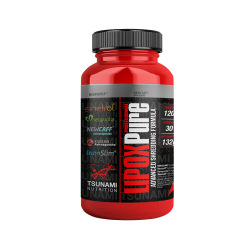
And why not combine it with other substances that could promote fat burning and weight loss? An excellent idea! To this end, you can take the new ‘LIPO X PURE’, which, in a dose of 4 capsules, provides 200 mg of caffeine, working in synergy with a significant dose of other substances capable of stimulating thermogenesis and lipolysis.
If, on the other hand, you want to optimise your performance and need a ‘boost’ to get through your workout, you could opt for a guarana dry extract with a high caffeine content. In this case, it might be even more effective to combine caffeine with other performance-enhancing substances, such as beta-alanine, creatine, citrulline, tyrosine, etc. You’ll find all these substances in optimal proportions in the ‘TSUNAMI PURE PROFESSIONAL’ pre-workout supplement.
Simply take 15 g of the product 30 to 45 minutes before your workout and your session will go brilliantly. If your goal is to build muscle mass, a pre-workout supplement will help you give your all and make your workout as productive as possible. Productive workouts guarantee better results!
But that’s not all. Some studies have shown that caffeine and coffee promote better glycogen resynthesis after training, thereby improving insulin sensitivity.
We can conclude by stating that coffee as a drink and caffeine as a substance should almost always form part of an athlete’s diet.
We look forward to research (which is very advanced in this field) bringing us even more positive and promising findings.