- Health and wellness
- 60834 views

The circulatory system is a complex and ingenious network of blood vessels that run throughout our body and distribute blood and oxygen to every part of the body. It consists of large vessels, the arteries, which branch out from the heart into increasingly smaller vessels, known as capillaries, which carry oxygenated blood and nutrients to all parts of the body. From these vessels, the blood returns to the heart, laden with waste products, via veins that become progressively larger as they approach the heart itself.
The network of capillaries and small veins that supply the body’s periphery constitutes the microcirculation. The venous system is most affected by poor circulation because, whilst the arteries receive the necessary pressure from the heart to carry blood throughout the body, venous circulation – particularly in the lower limbs – is naturally hindered by the force of gravity. This is why the veins in the legs are equipped with so-called ‘dovetail’ valves, which prevent blood from flowing back towards the heart.
When, due to various factors, the veins lose their elasticity and become worn out, the valves become less effective and the blood tends to flow back downwards, leading to a reduction in exchange with the cells, which results in fluid retention and those painful sensations of swelling and tiredness in the limbs.
What causes poor microcirculation?
Circulatory problems are rarely due to a single cause; several factors generally play a significant role. One of these is, for example, age, as over time the arteries become stiffer. Gender also appears to play a role in determining who is likely to be affected by circulatory disorders. Women, for example, are more likely than men to develop varicose veins; venous stasis is also a typically female condition: around 50 per cent of women over the age of 50 suffer from it, as do 30 per cent of younger women.
Many circulatory disorders are hereditary.
Lifestyle also plays a significant role. Smoking, obesity, a poor diet, sitting or standing for too long, and a sedentary lifestyle are all associated with poor circulation. Women who take the contraceptive pill are at increased risk of circulatory disorders, as are people with diabetes.
Symptoms of poor microcirculation
The main symptoms of circulatory problems in the legs are as follows:
- a feeling of heavy legs
- swollen feet and ankles
- tingling in the legs and cramps
- cold hands and feet
- visible capillaries
- dark patches on the skin, similar to bruises, caused by the rupture of small blood vessels
How to improve microcirculation
The first remedy is, of course, movement and exercise, to naturally get the leg muscles moving again, which helps to drain away fluid. Long walks and climbing stairs are also beneficial for circulation. If you have to stand for long periods, you can wear graduated compression stockings. It is also important to rest your legs in the evening, for example by sitting in an armchair and resting them, slightly elevated, on a footstool.
A balanced diet is essential for keeping the body in good shape and preventing strain on the heart. It is important to stay hydrated (at least 2 litres of water a day) and to eat fibre-rich foods that promote gut health (prebiotics), as well as fish. If you add to this red berries and other foods rich in valuable antioxidants, which can counteract cellular ageing, you’ll have a valuable aid in managing cardiovascular problems.
Supplements to improve microcirculation
For an even more profound and targeted effect, these good daily habits can be complemented by taking specific dietary supplements:
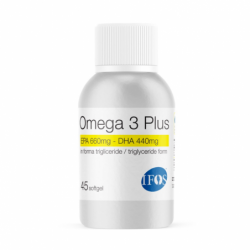
- OMEGA-3: essential for the health of cell membranes; can restore (in non-severe cases) the normal functioning of microcirculation.
- VITAMIN C: strengthens blood vessel walls by increasing their permeability and elasticity; this helps prevent blood stagnation and thus the formation of varicose veins.
- BIOFLAVONOIDS (diosmin, rutin): these are coloured phenolic compounds, derived mainly from red and purple fruits and vegetables, known specifically for their phlebotonic action.
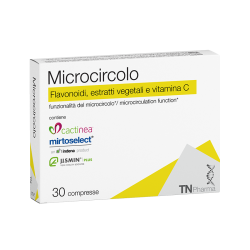
TN Pharma ’s research and development team has taken all these factors into account when formulating highly effective products. In particular, MICROCIRCOLO, which is very useful for circulation problems, is composed of bioflavonoids and plant extracts which, once ingested, are able to combat free radicals, that is to say, those waste products which, if present in excess in the blood, trigger inflammatory and ageing processes.
This product contributes to the health of blood vessels and the cardiovascular system in general, as it naturally strengthens the walls of capillaries and veins in the body’s peripheral areas, making them less prone to inflammation, dilation or rupture.
Microcircolo also contains anthocyanins, a type of flavonoid, which appear to help prevent the formation of blood clots, one of the most feared consequences of venous insufficiency.