- Health and wellness
- 88485 views

What is creatine and how does it affect sexual function?
Creatine is a substance that the human body can synthesise itself from the essential amino acids methionine and arginine. This amino acid derivative, which is synthesised by the body and can also be obtained from the diet (creatine is found in significant quantities in foods of animal origin), is mainly found in muscle tissue and plays a vital role in the production of energy used during rapid and intense muscular exertion. Once in the muscles, creatine binds with phosphorus, thereby becoming phosphocreatine and generating ATP, the molecule responsible for muscle energy.
Creatine is a flagship product in sports nutrition used by fitness and bodybuilding enthusiasts: regular intake (generally around 3 grams per day) improves athletic performance by increasing strength and power and promoting muscle mass growth.
It cannot be said that taking creatine directly affects the quality of sexual performance. If one wishes to establish a link between this substance and an increase in sexual desire and the ability to maintain an erection, we must refer to studies which have shown that a consistent intake of creatine, combined with an appropriate diet and regular physical activity, may be linked to an increase in endogenous testosterone production.
Creatine and testosterone: what is the link?
There is no direct link between taking creatine-based dietary supplements and testosterone. According to some studies, taking creatine and the resulting improvement in physical performance may have a positive effect on increasing testosterone levels in the blood.
Creatine is an amino acid derivative – it is also often referred to as an amino acid – which the body obtains from food and can synthesise itself from three amino acids: glycine, arginine and methionine. Creatine supplements are available in powder or tablet form; creatine monohydrate is the most common form on the market. There are also products with different formulations and types of creatine, which vary in terms of effectiveness and absorption time:
- Clonapure® - Creacon Micro Pure Professional, a combination of creatine monohydrate, phosphocreatine and a phosphate group which, thanks to its structure containing the true active form of creatine – phosphocreatine – is uniquely capable of enhancing energy production even under extreme conditions.
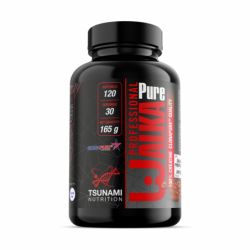
- Clonapure® softgel – 3Alkapure Professional, the world’s first creatine in softgel form, capable of guaranteeing 25 per cent higher ABSORPTION than powder; 40 per cent higher ABSORPTION than tablets; 40 per cent higher bioavailability.
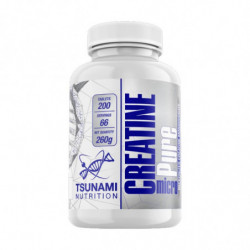
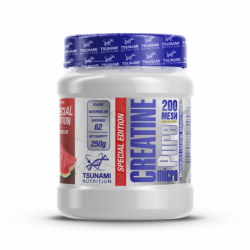
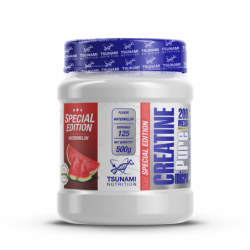
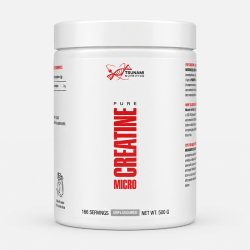
- 200 MESH micronised creatine monohydrate – Creatine Micro Pure Professional, one of the purest powders on the market, guarantees better absorption and greater efficacy than ordinary creatine monohydrate.
- Creapure® pH10 - 2Alkapure Professional, a creatine formulation with a dual buffer system that protects it from stomach acid and improves its bioavailability, optimising its delivery to muscle cells, enhancing energy output and increasing training volume.
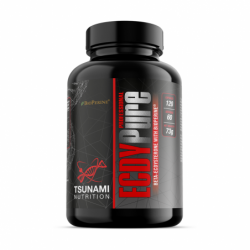
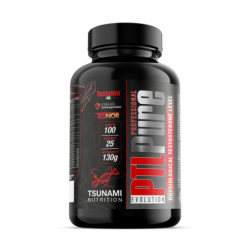
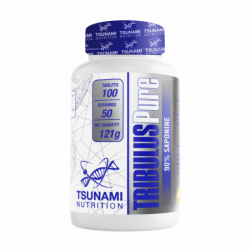
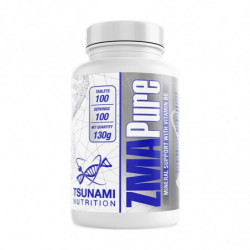
None of these products is a medication designed to enhance erections or sexual performance, nor is it a testosterone-boosting supplement such as ZMA Pure, PTL Pure Professional Evolution,ECDY Pure Professional or Tribulus Pure.
Creatine before sex: pros and cons
Creatine is an amino acid derivative and cannot be compared to erectile dysfunction medicines such as Viagra (sildenafil) and Cialis (tadalafil). It is therefore completely pointless to take creatine before sexual intercourse, and under no circumstances should you expect it to improve libido or sexual performance. Creatine supplementation, as we have already seen, can have positive effects on endogenous testosterone production by increasing blood testosterone levels, but these same effects can only be achieved following daily and prolonged use of creatine.
Benefits of taking creatine before sexual intercourse
There are no benefits during sexual intercourse that are directly linked to taking creatine.
Creatine is not a medicine to stimulate an erection or increase libido, nor is it a supplement to stimulate endogenous testosterone production or act as a testosterone booster. Creatine supplements allow you to take a natural substance that increases energy, strength and muscle power, thereby improving athletic performance and muscle growth. Increases in muscle mass and athletic performance have been linked to higher testosterone levels and the effectiveness of testosterone.
Possible sexual side effects associated with creatine use
There are no reports linking the use of creatine supplements to sexual dysfunction.
All supplements, including creatine, should only be taken when necessary and at the times and in the manner agreed with a doctor or nutritionist. Creatine is a natural substance that the body can produce itself and, in almost all cases, when taken at the recommended doses, it does not cause any significant side effects.
In cases where creatine is taken over a long period and/or at high doses (more than 3 grams per day, i.e. the standard daily dose), side effects associated with creatine use, such as water retention, muscle cramps, nausea, dehydration, gastrointestinal disturbances, fever and dizziness, have been reported. However, no sexual dysfunction or contraindications linked to creatine use have been reported.
Frequently Asked Questions
Can creatine cause erectile dysfunction?
Creatine does not cause impotence. The possible side effects of creatine use do not include erectile dysfunction, and no other sexual problems have been reported.
Can creatine supplementation affect libido?
Taking creatine has no direct effect on libido. According to some studies, taking creatine may stimulate the production of testosterone, the main sex and anabolic hormone in men. Among the effects of increased testosterone, it is common to experience an increase in sexual desire.
Are the sexual effects of creatine temporary or permanent?
Creatine is a molecule used by our muscles to increase or improve energy production (ATP), and creatine supplements are not products designed for sexual wellbeing or to improve erections.