- Health and wellness
- 37496 views
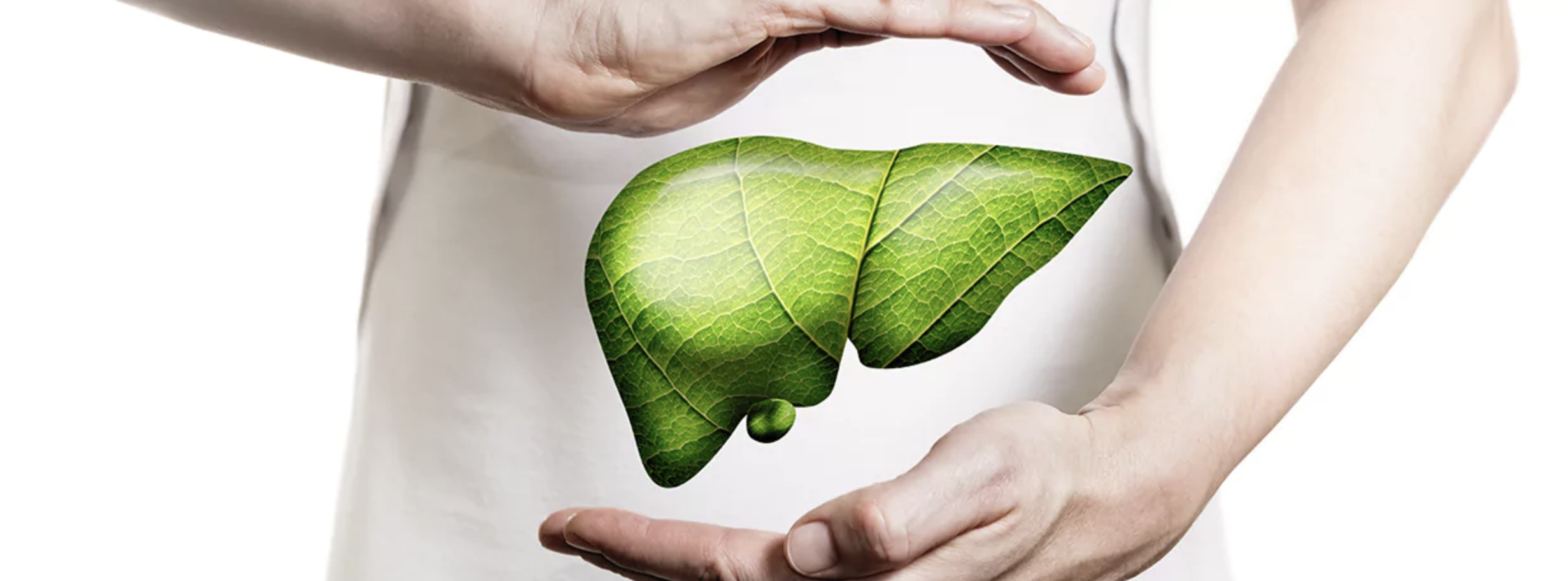
Liver problems have become a global epidemic. If you want to look after your liver and avoid developing liver problems, you need to know what damages it and what supports it. In our modern lifestyle, many factors can have a negative impact on liver health. Fortunately, there are also plenty of solutions. Want to find out more? Don’t miss this article.
The importance of the liver
Located beneath the ribcage, in the top right-hand corner, the liver is the largest organ (gland) in the human body. As well as being essential for metabolism, it maintains balanced blood sugar levels , produces vital proteins (such as enzymes), regulates blood clotting, plays a key role in detoxifying everything around us (food, alcohol, medicines, environmental pollutants, etc.) and performs hundreds of other vital functions.
But if you think its functions end there, here are some of its most important activities:
- Production of albumin: albumin is a protein that ‘prevents’ fluids in the blood from leaking into the surrounding tissues. It also transports hormones, vitamins and enzymes throughout the body.
- Production of bile: bile is a fluid essential for the digestion and absorption of fats in the small intestine.
- Blood filtration: all the blood leaving the stomach and intestines passes through the liver, where, through intricate processes, it removes toxins, waste products and other harmful substances.
- Regulation of amino acid supply: the production of endogenous proteins, such as enzymes, depends on the supply of amino acids obtained from the diet. The liver ensures that amino acid levels in the blood remain balanced in line with the quantities required.
- It regulates blood clotting with the help of vitamin K, which can only be absorbed with the aid of bile, a fluid produced by the liver.
- It fights off infections: as part of the filtration process, the liver also removes bacteria from the bloodstream.
- It stores vitamins and minerals: the liver stores significant amounts of vitamins A, D, E, K and B12, as well as iron and copper. These are essential for health and for various endogenous processes that require the use of these cofactors.
- It metabolises glucose: the liver removes excess glucose (sugar) from the bloodstream and stores it as glycogen (an energy reserve consisting of several glucose molecules). If necessary, to meet energy requirements, it can convert glycogen back into glucose.
- It maintains a healthy gut microbiota: the liver and gut are closely linked (this is often referred to as the gut-liver axis). If your liver is not functioning properly, your gut health and digestion will deteriorate, eventually leading to the dreaded dysbiosis.
What damages the liver?
- Excessive alcohol consumption
- A diet too high in carbohydrates and processed foods, particularly sugar and seed oils
- Excess weight, particularly visceral fat (the fat found inside and around the organs)
- Intestinal dysbiosis and/or leaky gut
- Excess iron
- Overuse of medication, particularly anti-inflammatories, paracetamol and other painkillers
- Parasites such as flukes or worms
- Viruses such as hepatitis A, B and C, cytomegalovirus and the Epstein-Barr virus
- Autoimmune or connective tissue diseases
- Exposure to heavy metals, pesticides, plastics, flame retardants and other chemicals
- Excess fat
How to protect the liver
First and foremost, you need to adopt a holistic approach to your lifestyle, incorporating a balanced diet, adequate physical activity, stress management and complementary support, tailored to the specific issues to be addressed and focused on prevention.
Here are a few key points:
Firstly, try to base your diet on less processed and refined foods, favouring authentic, unadulterated, high-quality foods such as whole grains, wild-caught fish, grass-fed meat, locally sourced eggs, healthy fats such as extra virgin olive oil, oilseeds and, above all, locally grown fruit and vegetables. Diet, with a specific selection of wholesome, anti-inflammatory foods, will always remain a fundamental tool for liver health. For example, natural extracts that can support detoxification and repair processes and improve immune function provide valuable support, drawing on ancient medicine and reappearing in the guidelines for nutritional biotherapy. Cabbage, kale, carrots, beetroot, ginger, limes, lemons, parsley, basil, cucumber and coriander are all excellent for supporting liver health.
Finally, high-quality fermented foods rich in probiotics, such as miso, kefir, sauerkraut, kombucha and kimchi, are another example of foods with functional benefits for the body. They can improve gut health and thus reduce inflammation of the liver.
Autoimmune diseases are commonplace, but few people realise that liver health is essential for supporting the body, even in such cases. Most people with autoimmune diseases find relief by changing their diet, reducing and/or eliminating certain foods: gluten, dairy products, sugar, alcohol, lecithins, artificial sweeteners and nightshades are the most commonly implicated. These foods, if consumed in excess and, above all, on a chronic basis, can put a strain on liver function. So do be careful.
Maintain a balanced body composition by keeping your white fat levels low and increasing your muscle mass through appropriate physical activity, combining aerobic and anaerobic exercises. Leading an active lifestyle and eating a healthy, balanced diet is the key to staying fit, especially as you get older. If you lead a sedentary lifestyle and have a high body fat percentage, be careful, as with age, this excess fat will be stored until it ‘seeps’ into your liver and causes inflammation.
Be aware of haemochromatosis. If you have excess iron (ferritin) in your blood, this will worsen your liver health. As mentioned earlier, adopt a healthy diet and take regular exercise, supplement with chelators and consider becoming a regular blood donor.
To help your liver function more effectively, combat damage and aid its ‘repair’ process, the following supplements can be very helpful: S-adenosyl methionine (SAM-e), betaine, NAC, glutathione, schisandra, vitamin C, rhodiola, milk thistle, curcumin and other more appropriate nutraceuticals and herbal remedies.
Tsunami Nutrition supplements for liver health
As I often receive various questions about which supplements to use to improve and maintain good liver health, today I’m going to give you some information about our formulas designed to support your liver.
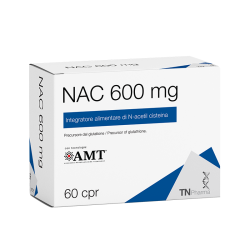
N-acetylcysteine (NAC) from Tn Pharma
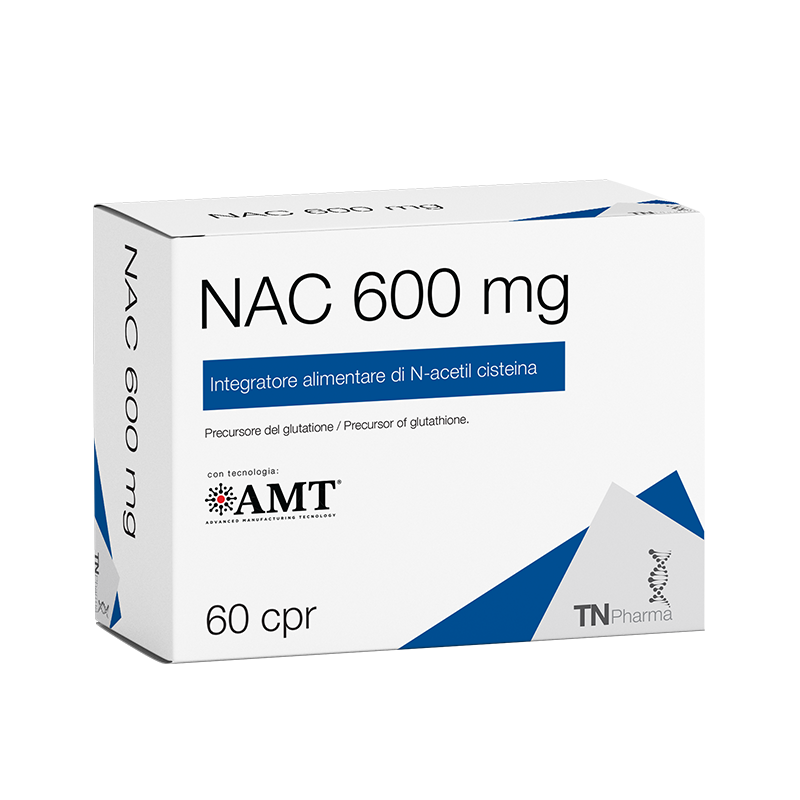
NAC is an amino acid derivative backed by over 40 years of scientific research. NAC’s powerful health benefits stem from its ability to restore intracellular levels of glutathione, which is the most potent antioxidant produced naturally by the human body. Glutathione helps the liver protect you against toxicity and is particularly important for people suffering from liver inflammation. Today’s lifestyle, characterised by excessive stress, an unbalanced diet, alcohol and pollutants, to name but a few, creates chronic inflammation that affects your liver and depletes glutathione. As NAC is a powerful chelator and also the main precursor of glutathione, it can help people suffering from liver inflammation to protect themselves and regain optimal health (always as part of a health-conscious lifestyle).
In detail:
NAC is a modified form of the sulphur-containing amino acid cysteine, known as the ‘mineral of youth’.
NAC supplementation restores intracellular levels of glutathione (GSH), thereby restoring the cells’ ability to ‘combat’ damage caused by free radicals, known as reactive oxygen species, and thus reducing inflammation.
NAC may also help people suffering from chronic degenerative conditions, including inflammation of the liver and lungs.
Finally, NAC neutralises toxins and pollutants, including heavy metals that accumulate in the liver, kidneys and fatty tissues of the body.
That is why, at Tn Pharma, we have formulated NAC 600 mg, which, with just one tablet, can provide a good amount of N-ACETYL CYSTEINE, essential for protecting against external damage and much more besides. Of course, as with everything, individual response plays an important role, particularly when it comes to dosage, as the range varies from 600 mg to 3 grams.
Liposomal Glutathione by Tn Pharma
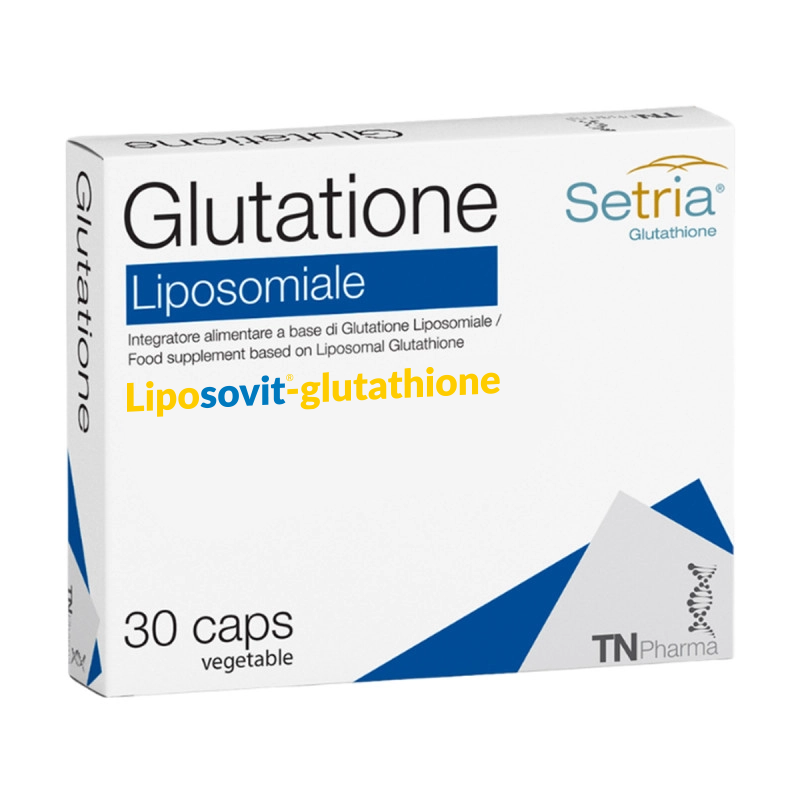
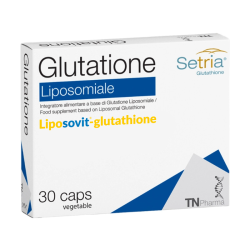
We know how important glutathione is for liver health (there is an article dedicated to this), but most oral glutathione-based dietary supplements are not well absorbed by the human body. That is why, at TN PHARMA, we have formulated the first orally bioavailable glutathione using the Setria® patent, and have further optimised it using LipoCellTech absorption technology, a liposomal technology that optimises the absorption and, consequently, the levels of water-soluble molecules such as Setria® glutathione.
Many researchers have concluded that a deficiency in hepatic glutathione is one of the main factors contributing to the progression of various diseases. Although glutathione can be taken and absorbed most effectively intravenously, i.e. via an infusion, many people who would benefit from it also have a fear of needles.
This led to the development of Tn Pharma’s Liposomal Glutathionewith the Setria® patent, the first bioavailable form of oral glutathione that guarantees an adequate supply of glutathione (dosage to be determined on an individual basis) to fully support liver function as well as the health of the entire body.