- Health and wellness
- 36988 views
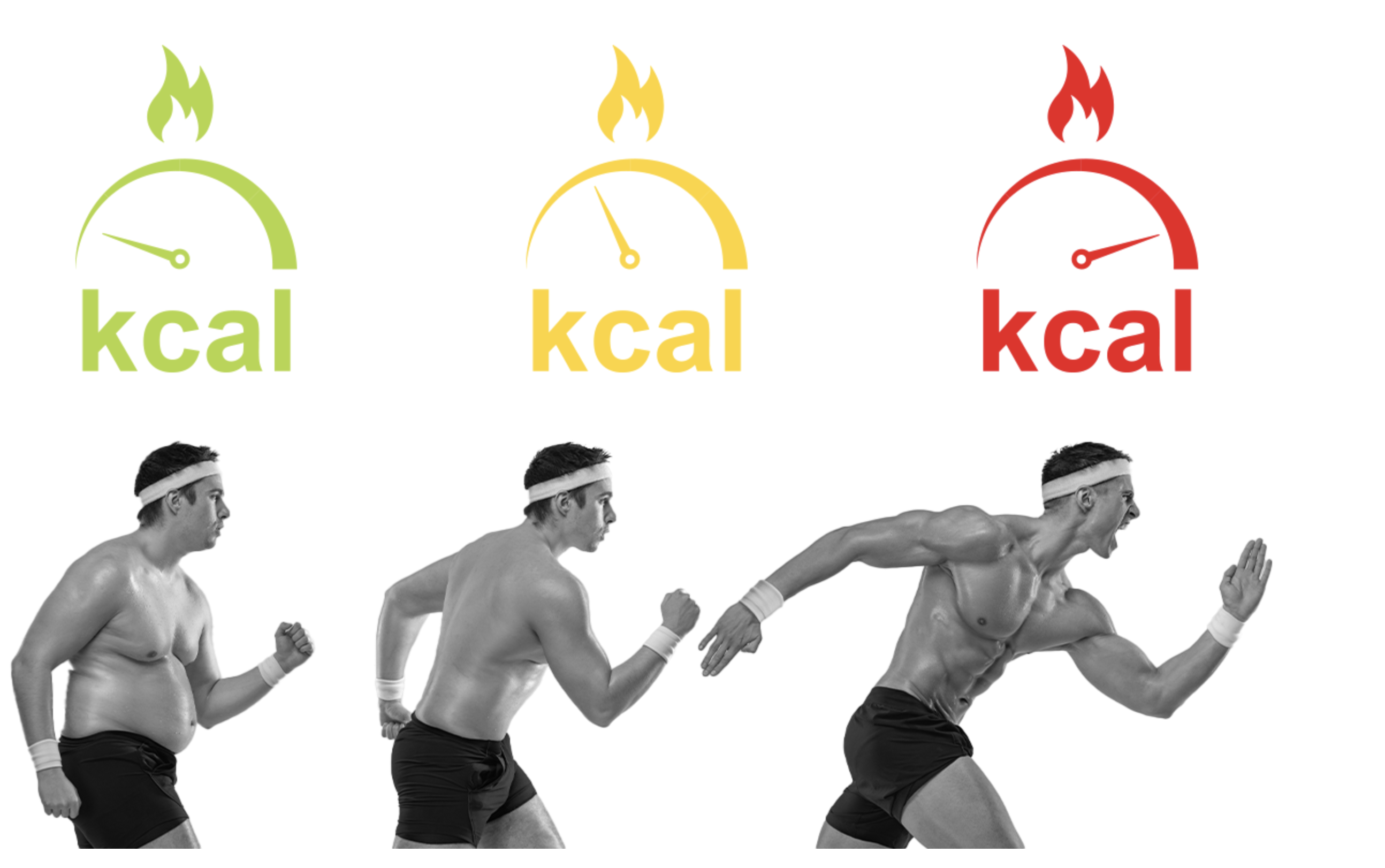
What should you eat to burn fat?
When it comes to fat-burning foods, there are so many truths and myths that it’s hard to know what to believe. Unfortunately, although I know this news won’t please everyone, the idea that there’s a single food that helps melt away belly fat is pure nonsense. Burning fat is undoubtedly a much more complex process.
However, there are many healthy habits and food combinations that can play a key role in maintaining a consistently active metabolism and promoting weight loss. The downside is that sticking to these practices can take time and certainly requires ongoing commitment. Above all, you need to eat healthily, without forgetting the key role played by lifestyle and regular exercise.
To burn fat effectively, it is essential to adopt a balanced diet that includes foods known to speed up the metabolism and promote weight loss.
Lean proteins, such as chicken, fish, eggs and pulses, are essential as they increase thermogenesis – the process of burning calories during digestion. Green leafy vegetables, such as spinach and kale, are high in fibre and low in calories, which helps to keep you feeling full. Berries, nuts and seeds, such as almonds and chia seeds, provide a combination of antioxidants, fibre and healthy fats that help stabilise blood sugar levels.
Drinks such as green tea, thanks to its catechins, and apple cider vinegar, which aids blood sugar control, can also promote fat loss. Other foods, such as Greek yoghurt rich in probiotics, chilli peppers with their capsaicin, and coconut oil with its medium-chain triglycerides, can boost metabolism and promote fat burning.
Incorporating these foods into a varied diet, combined with an active and healthy lifestyle, is an effective strategy for burning fat and achieving your ideal weight.
Protein-rich foods
Protein-rich foods are essential for those who want to burn fat, as protein helps to build and maintain muscle mass, boosts metabolism and promotes a feeling of fullness. Here is a list of protein-rich foods that can help burn fat:
- White meats such as chicken and turkey
- Fish
- Eggs
- Lean meats such as beef and lamb
- Greek yoghurt
- Plant-based proteins such as tofu and pulses
- Protein powder
Fruit and vegetables
Fruit and vegetables are essential foods for those looking to burn fat, thanks to their fibre, vitamin, mineral and antioxidant content. Here are some particularly effective options: among the fruits are red berries (strawberries, blueberries or raspberries), apples, oranges and kiwis, which, thanks to their high fibre content, help you feel full and burn body fat.
As for vegetables, these include:
- Green leafy vegetables: spinach, kale, Swiss chard and lettuce are rich in fibre and nutrients and low in calories.
- Peppers: rich in vitamin C, they help boost the metabolism.
- Broccoli: it contains fibre, vitamins and minerals that aid digestion and weight loss.
- Carrots: rich in fibre and beta-carotene, they help you feel full.
- Cucumbers: rich in water and fibre, they help you stay hydrated and feel full.
- Courgettes: low in calories and rich in fibre, they help you feel full without adding many calories.
High-fibre foods
High-fibre foods are essential for weight loss and fat burning, as they help maintain a feeling of fullness, stabilise blood sugar levels and improve digestion. Here are some high-fibre foods that can help you achieve these goals:
- Oats: rich in soluble fibre, particularly useful for maintaining a feeling of fullness.
- Quinoa: a source of complete protein and fibre.
- Brown rice: contains more fibre than white rice.
- Spelt: rich in fibre and nutrients.
- Barley: contains both soluble and insoluble fibre.
- Seeds and nuts
- Chia seeds: very rich in fibre and omega-3.
- Linseeds: contain fibre and healthy fats.
- Almonds: rich in fibre, protein and healthy fats.
- Walnuts: contain fibre, protein and healthy fats.
How can you burn belly fat quickly?
Gaining weight means that excess weight may be more visible in one part of the body than another, as fat can accumulate in different areas such as the face, legs or hips, depending on several factors, including our basic body type.
In most cases, the main issue is aesthetic and relates to self-perception, but there is one situation where the problem directly affects health and should not be underestimated: this is when abdominal fat increases.
Abdominal fat results in an increase in waist circumference which, above certain levels, represents a risk factor for numerous diseases. Visceral fat accumulates inside the abdomen and forms the typical bulging, taut and round belly. Subcutaneous fat, on the other hand, is deposited in the layers beneath the skin, forming the classic ‘flabby tummy’. Both are linked to being overweight or obese, but of the two, it can be said that visceral fat is the most dangerous: it surrounds the organs that regulate metabolism (such as the liver and pancreas) and interferes with the normal functioning of these organs.
To burn abdominal fat quickly, it is essential to combine a balanced diet with regular physical activity and lifestyle changes. Cut down on your intake of sugars and refined carbohydrates, and instead increase your intake of lean proteins and soluble fibre, found in foods such as oats, fruit and vegetables. Include healthy fats, such as those found in avocados and olive oil.
Do cardiovascular exercise and high-intensity interval training (HIIT) to boost calorie burning, and incorporate weight training to build muscle mass. Make sure you get enough sleep, reduce your stress levels using relaxation techniques, and limit your alcohol intake. Monitoring your diet and staying consistent are essential for achieving lasting results.
Specific abdominal exercises
Specific abdominal exercises can help tone and strengthen the abdominal muscles, but it is important to remember that spot reduction is not possible through targeted exercises alone. However, combining these exercises with a comprehensive training programme and a balanced diet can help reduce overall body fat, including abdominal fat. Here are some effective abdominal exercises:
Crunch: Lie on your back with your knees bent and your feet flat on the floor. Place your hands behind your head or cross them over your chest. Lift your upper body towards your knees by contracting your abdominal muscles, then slowly return to the starting position.
Plank: Get into a push-up position, with your body weight resting on your forearms and the balls of your feet. Keep your body in a straight line from head to toe, tightening your abs, and hold the position for 30 to 60 seconds.
Russian Twist: Sit on the floor with your knees bent and your feet off the ground. Lean your upper body back slightly and hold a weight or medicine ball with both hands. Twist your upper body from side to side, touching the floor with the weight near your hips.
Leg Raises: Lie on your back with your legs straight. Slowly raise your legs towards the ceiling, keeping your knees straight, then lower them slowly without touching the floor.
Mountain Climbers: Start in a push-up position. Quickly bring one knee towards your chest, then alternate with the other knee, maintaining a fast pace as if you were running on the spot.
By combining these exercises with a comprehensive training programme that includes cardiovascular and resistance exercises, as well as a healthy diet, you’ll be able to reduce your overall body fat and achieve a more toned and defined abdomen.
High-Intensity Interval Training (HIIT)
The term is an acronym for High-Intensity Interval Training, and refers to a training method that alternates between periods of intense, anaerobic effort and phases of active recovery at an aerobic intensity.
HIIT has grown in popularity in recent years due to its effectiveness compared to other traditional forms of exercise. Indeed, this type of training allows you to burn more calories in less time. What’s more, it’s an incredibly flexible training method, making it suitable for virtually everyone.
There are several types of HIIT workouts that can be quickly adapted to suit any individual; here are a few:
Tabata: a workout consisting of cycles of 20 seconds of high-intensity effort followed by 10 seconds of passive recovery;
Bangsbo: used in football, it consists of 30 seconds of low-intensity activity, 20 seconds at medium intensity and 10 seconds at maximum intensity, then the sequence is repeated five times;
Gibala: on a cycle, you perform 60 seconds at 100 per cent intensity followed by 75 seconds of active recovery, to be increased over 8 to 12 weeks.
HIIT sessions do not help to develop technique, are not sport-specific and do not target the body’s muscular development. You cannot expect to make a difference in your sport or training by doing HIIT, but conversely, you cannot expect to make significant improvements without doing it either. HIIT protocols train the body’s metabolic system, enabling those who practise them to feel less fatigue, experience it later and recover more quickly.
The importance of sleep and stress reduction
Sleep and stress reduction are essential for physical and mental wellbeing. Good-quality sleep allows the body to regenerate, supports the immune system and promotes healthy brain function, thereby improving memory and concentration.
Stress reduction, for its part, helps prevent numerous health problems, such as cardiovascular disease, anxiety and depression. Stress management, through techniques such as meditation, physical exercise and maintaining a regular sleep pattern, helps to maintain emotional balance and improve overall quality of life.
Heart rate for burning fat
The optimal heart rate for burning fat is generally between 60 per cent and 70 per cent of your maximum heart rate. This range is known as the ‘fat-burning zone ’ and is characterised by moderate exercise intensity, during which the body primarily uses fat as an energy source.
Staying within this zone during physical activity, such as brisk walking, light jogging or cycling at a moderate pace, helps to maximise fat oxidation without putting excessive strain on the body. It is important to remember that a combination of aerobic exercise, a balanced diet and regular, sustained activity over time is essential for achieving effective results in the weight-loss process.
Calculating your ideal heart rate
Calculating your ideal heart rate is an effective way to tailor the intensity of your exercise to maximise the benefits for your health and fitness.
To calculate your ideal heart rate, the ‘220 minus your age’ formula is generally used to determine your maximum heart rate (MHR). Once the MHR has been calculated, it is possible to determine the various training intensity zones, such as the fat-burning zone (60–70 per cent of the MHR) or the aerobic training zone (70–85 per cent of the MHR).
For example, for a 30-year-old, the MHR would be 190 beats per minute, and the fat-burning zone would range from 114 to 133 beats per minute. This approach allows you to effectively monitor and adjust your training intensity, ensuring that you are exercising within a safe heart rate zone that is appropriate for your specific goals.
Monitoring your heart rate during training
Monitoring your heart rate during training is a crucial step in maximising the effectiveness of your fitness programme and ensuring your physical safety.
By using devices such as heart rate monitors or smartwatches, you can monitor your heart rate in real time, ensuring you are training within the appropriate heart rate zone for your desired goals, whether that’s burning fat, increasing endurance or improving cardiovascular health.
This monitoring not only helps you maintain an optimal exercise intensity, but also allows you to adapt your training based on your body’s responses, avoiding excessive strain or workouts that are too light. Furthermore, monitoring your heart’s response during exercise helps to improve your awareness of your physical capabilities, thereby facilitating gradual and sustainable improvement over time.
How to burn fat whilst you sleep
To burn fat whilst you sleep, it is essential to adopt certain habits that boost your metabolism and fat burning, even whilst you’re asleep. Here are a few tips:
- Get enough sleep: at least 7 to 8 hours of good-quality sleep is essential. A lack of sleep can disrupt the hormones that regulate appetite, increasing hunger and slowing down your metabolism.
- Havea light, protein-rich dinner: eat a meal rich in lean protein, such as chicken, fish or tofu, and pair it with low-carbohydrate vegetables. Avoid refined carbohydrates and sugars, which can cause insulin spikes and prevent your body from burning fat.
- Evening exercise: a light evening workout, such as a walk or some yoga, can help keep your metabolism active overnight. Resistance training, such as light weights or bodyweight exercises, can increase your basal metabolic rate, thereby helping to burn fat.
- Fat-burning drinks: drinking a cup of green tea or herbal tea containing metabolism-boosting ingredients, such as ginger, before bed can promote fat loss overnight.
- Stress reduction: relaxation techniques such as meditation or stretching help to reduce levels of cortisol, the stress hormone, which can hinder fat loss. A relaxed body burns fat more efficiently.
By adopting these strategies, you can optimise your metabolism and promote fat burning even whilst you sleep.
Foods that promote night-time thermogenesis
Certain foods can promote night-time thermogenesis – the process by which the body burns calories to produce heat, even whilst you sleep. Here are some foods that can stimulate this process:
- Lean proteins: foods such as chicken, turkey, fish, eggs and tofu require more energy to digest than carbohydrates and fats, which increases thermogenesis. Eating lean protein for dinner can help keep your metabolism active throughout the night.
- Green tea: Green tea contains catechins and caffeine, compounds that can boost your metabolism and promote fat burning. Drinking a cup of green tea before bed (decaffeinated if you’re sensitive to caffeine) can promote night-time thermogenesis.
- Ginger: Ginger has thermogenic properties that can speed up your metabolism. Adding it to a herbal tea in the evening or using it to season your meals can help you burn more calories overnight.
- Chilli: Chilli contains capsaicin, a substance that can increase thermogenesis and promote fat loss. Using chilli in your evening meals can boost your metabolism.
By incorporating these foods into your evening meals, you can boost night-time thermogenesis and support the fat-loss process whilst you sleep.
Bedtime routine
Establishing an effective evening routine can improve the quality of your sleep and promote general wellbeing. Here is an ideal bedtime routine:
- Set a fixed schedule: try to go to bed and get up at the same time every day, even at the weekend. This helps regulate your body’s circadian rhythm, thereby promoting deeper, more restorative sleep.
- Reduce your exposure to blue light: switch off your electronic devices, such as smartphones, computers and televisions, at least an hour before going to bed. The blue light emitted by these devices can disrupt the production of melatonin, the hormone that regulates sleep.
- Read a book or listen to relaxing music: choose a relaxing activity, such as reading a book or listening to soft music. Avoid stimulating or stressful content that might make you feel restless.
- Have a herbal tea: a tea made from chamomile, valerian or lavender can help you relax and promote sleep. Avoid drinks containing caffeine or alcohol, which can disrupt sleep.
- Avoid heavy meals: have your evening meal at least two to three hours before going to bed and opt for light meals. Avoid heavy or spicy foods that could cause indigestion or sleep disturbances.
Following this routine can help you prepare mentally and physically for a restful night’s sleep, thereby improving the quality of your rest and your general well-being.
What should you drink to burn fat?
To burn fat, certain drinks can be particularly effective thanks to their thermogenic and metabolic properties. Green tea is one of the best known; it is rich in catechins and contains a small amount of caffeine, both of which stimulate the metabolism and promote fat burning. Ginger tea is also an excellent choice, as ginger raises body temperature, thereby speeding up the metabolism.
Black coffee, without sugar, can improve the body’s ability to burn fat thanks to its caffeine content, especially if consumed before a workout. Finally, lemon water, drunk in the morning, can stimulate digestion and metabolism, thereby promoting weight loss. Incorporating these drinks into your daily routine can boost the weight-loss process, especially if you combine them with a balanced diet and physical activity.
Green tea and other teas
Green tea, along with other types of tea, is known for its health benefits, particularly its fat-burning properties. This ability is mainly due to the presence of bioactive compounds, such as catechins, caffeine and other antioxidants, which work synergistically to promote weight loss and fat metabolism.
Green tea
Green tea is particularly rich in catechins, notably epigallocatechin gallate (EGCG), which is primarily responsible for its fat-burning effect. Catechins are powerful antioxidants that boost metabolism and stimulate thermogenesis, the process by which the body generates heat by burning calories. The caffeine present in green tea, although in smaller quantities than in coffee, also contributes to this effect by increasing energy expenditure and improving fat burning during physical exercise.
Studies have shown that regular consumption of green tea can help reduce body fat, particularly in the abdominal region, which is especially harmful to health. Furthermore, green tea can improve the body’s ability to use fat as an energy source, particularly during physical activity.
Black tea
Black tea, which is fully oxidised, contains theaflavins and thearubigins, antioxidants that have been shown to have positive effects on metabolism. Although black tea contains fewer catechins than green tea, the caffeine and other antioxidant compounds can still help to promote weight loss and improve weight management.
White tea
White tea is the least processed of all types of tea and contains very high levels of catechins. It is less well known than other teas for its fat-burning potential, but preliminary studies suggest that it may inhibit the formation of new fat cells and stimulate the breakdown of existing fat.
Drinking tea, particularly green tea, can be a valuable aid in weight management and improving fat metabolism. However, it is important to remember that the fat-burning effect of teas is most effective when combined with a balanced diet and regular physical activity. Drinking tea should not be seen as a miracle solution for weight loss, but rather as a natural aid as part of a healthy lifestyle.
Water and hydration
Water and proper hydration play a vital role in the fat-burning process and in managing body weight. Although water on its own does not have the same fat-burning properties as certain foods or dietary supplements, drinking enough water can facilitate the weight-loss process and optimise the body’s metabolic functions. Here’s how water helps burn fat:
Boosting metabolism
Drinking water can temporarily boost the metabolism. This phenomenon is known as ‘water-induced thermogenesis’. Studies have shown that drinking cold water can cause the body to burn more calories, as it uses energy to warm the water to body temperature. Although the effect is modest, regular water intake can contribute to a higher daily calorie expenditure.
Feeling of fullness
Water can help control appetite and reduce calorie intake. Drinking a glass of water before meals can create a feeling of fullness, leading to eating less. This is particularly useful as part of a low-calorie diet, where portion control is essential for weight loss. Replacing sugary drinks with water also reduces overall calorie intake, thereby promoting weight loss.
Support for lipolysis
Hydration is crucial for lipolysis, the process by which the body burns fat to produce energy. Without sufficient water, this process slows down, which hinders the effectiveness of fat loss. Water is necessary for the metabolism of stored fat and the conversion of fat molecules into fatty acids and glycerol, components that the body uses as a source of energy.
Toxin elimination
During weight loss, particularly when burning fat, the body releases toxins stored in fat cells. Water helps to eliminate these toxins through urine and sweat, thereby detoxifying the body and keeping it healthy. Adequate hydration also supports healthy kidney function, which is essential for the elimination of metabolic waste.
Improved physical performance
Water is essential for maintaining good energy levels and improving physical performance during exercise. During physical activity, the body loses water through sweating, and even mild dehydration can reduce performance and the ability to burn calories. Optimal hydration helps maintain a high level of efficiency during training, promoting greater calorie expenditure and improved fat loss.
Protein drinks
Protein drinks can be effective allies in the process of weight loss and fat burning, thanks to various mechanisms that influence metabolism, satiety and body composition. Here’s how these drinks work and which types may be useful:
Whey-based protein drinks (Whey Protein)
Whey is one of the most popular and widely used sources of protein in protein supplements. It is rich in essential amino acids and is digested quickly, making it ideal for post-workout consumption. Whey-based smoothies not only promote muscle repair and growth, but can also boost metabolism and improve fat burning.
Casein protein drinks
Casein is a slow-release protein, which provides a steady supply of amino acids over time. It is particularly useful as an evening or night-time drink, as it helps to keep the metabolism active whilst you sleep and prevent muscle loss.
Plant-based protein shakes
Plant-based proteins, such as those derived from peas, rice, hemp or soya, are excellent alternatives for people following a vegan diet or who have food intolerances. These proteins, especially when combined to provide a complete amino acid profile, can promote weight loss and fat burning in the same way as animal proteins.
How many calories does it take to burn 1 kg of fat?
To burn 1 kg of body fat, you need to create a calorie deficit of around 7,700 calories. This figure is based on the assumption that one gram of fat contains around 9 calories and that body fat tissue is composed of around 10–20 per cent water and other substances, which reduces the actual calorie content to around 7,700 calories per kilogram.
To lose this amount of fat, you can reduce your daily calorie intake, increase your level of physical activity, or combine both. For example, a deficit of 500 calories a day could result in a loss of around 0.5 kg of fat in a week. However, it is important that weight loss is gradual and sustainable, in order to avoid loss of muscle mass and other negative health effects.
Calculating the calorie deficit
Calculating your calorie deficit is essential for planning an effective and sustainable weight-loss strategy. To calculate the calorie deficit needed to achieve your goals, follow these steps:
Calculate your daily calorie requirements (TDEE)
TDEE (Total Daily Energy Expenditure) is the total number of calories your body burns in a day, taking into account your basal metabolic rate (BMR) and physical activity. To calculate it:
Calculate your BMR: Use the Harris-Benedict equation to determine your basal metabolic rate, which is the number of calories your body burns at rest.
For men:
BMR = 88.362 + (13.397 × weight in kg) + (4.799 × height in cm) – (5.677 × age in years)
For women:
BMR = 447.593 + (9.247 × weight in kg) + (3.098 × height in cm) – (4.330 × age in years)
Calculate your TDEE by multiplying your BMR by your level of physical activity:
- Sedentary (little or no exercise): BMR x 1.2
- Slightly active (light exercise/sport 1 to 3 days a week): BMR x 1.375
- Moderately active (moderate exercise/sport 3 to 5 days a week): BMR x 1.55
- Very active (intense exercise/sport 6 to 7 days a week): BMR x 1.725
- Extremely active (intense physical work/sport twice a day): BMR x 1.9
Calculate the required calorie deficit
To lose fat, you need to create a calorie deficit relative to your TDEE:
- To lose 0.5 kg of fat per week: create a deficit of around 500 calories per day, totalling 3,500 calories per week.
- To lose 1 kg of fat per week: create a deficit of around 1,000 calories per day, totalling 7,000 calories per week.
Strategies for creating a calorie deficit
Creating a calorie deficit is essential for weight loss and can be achieved through various strategies. The first is to reduce your daily calorie intake by choosing low-calorie but nutrient-rich foods, such as fruit, vegetables, lean proteins and whole grains.
This dietary choice helps you feel full on fewer calories. Another effective strategy is to increase physical activity, combining aerobic exercises such as running or swimming with resistance training, which helps burn calories and maintain muscle mass.
Finally, it is helpful to control portion sizes and be mindful of snacking, avoiding eating out of boredom or stress. Adopting mindful eating habits, such as eating slowly and listening to hunger and fullness cues, can prevent excess calorie intake and make it easier to create a sustainable calorie deficit over time.
Frequently Asked Questions
How do you burn fat?
To burn fat, it is essential to consume fewer calories than the body burns, thereby creating a calorie deficit. This causes the body to use its fat reserves as an energy source to compensate for the lack of calories from food.
Furthermore, physical activity, particularly aerobic exercises such as running, swimming or cycling, increases energy expenditure and stimulates the use of fat as fuel. Strength training, such as weightlifting, helps to maintain and increase muscle mass, which boosts the basal metabolic rate and the body’s ability to burn calories at rest.
How long do you need to run to burn fat?
To burn a significant amount of fat, it is recommended that you run for at least 30 to 45 minutes per session. The body begins to burn carbohydrates to produce energy during the first 20 to 30 minutes of exercise, but as the activity continues, it starts to use a greater proportion of fat as an energy source.
The fat-burning zone is generally at a moderate intensity, i.e. 60 to 70 per cent of your maximum heart rate. This level allows the body to use fat efficiently as fuel. It is important to run regularly, at least 3 to 4 times a week, to maintain a calorie deficit and promote fat loss. Consistency is key to achieving long-term results.
When should you take a fat-burning supplement?
A fat-burning supplement should be taken at strategic times to maximise its effects. It is advisable to take it in the morning to benefit from stimulating ingredients, such as caffeine, which can boost your metabolism and energy levels throughout the day. Another ideal time is before a workout, around 30 to 45 minutes beforehand, to improve physical performance and boost fat burning during exercise.
Some supplements may also be useful between meals to control appetite and avoid unnecessary snacking. However, it is important to follow the product instructions and consult a doctor before starting to take it, whilst always ensuring you maintain a balanced diet and take regular exercise.
At what heart rate do you start burning fat?
The optimal heart rate zone for burning fat is generally between 60 per cent and 70 per cent of your maximum heart rate (HRmax). To calculate an approximate HRmax, you can use the following formula:
HRmax = 220 – age
Once you have worked out your HRmax, calculate 60 to 70 per cent of this value. For example, for a 30-year-old:
HRmax = 220 – 30 = 190 beats per minute (bpm)
Fat-burning zone = 0.6 × 190 = 114 bpm or 0.7 × 190 = 133 bpm
Thus, for a 30-year-old, the heart rate zone for burning fat would be between 114 and 133 bpm. Training within this zone encourages the body to use fat as its main source of energy.