- Health and wellness
- 2399 views
What is GLP-1 and how does it work in the body?
GLP-1 (glucagon-like peptide 1) is a hormone produced mainly in the gut when we eat, in response to nutrients entering the intestinal lumen. It acts as a messenger between the gut, the pancreas, the stomach and the brain, helping the body to manage blood sugar, energy and feelings of hunger more effectively. It stimulates the release of insulin when blood sugar levels rise, reduces the secretion of glucagon and helps maintain more stable blood sugar levels. It slows down gastric emptying, so food remains in the stomach for longer and the feeling of fullness lasts longer. Thanks to these mechanisms, GLP-1 is regarded as a key regulatorof appetite, metabolism and the post-meal glycaemic response.
The role of the GLP-1 hormone in metabolism
GLP-1 is one of the so-called incretins, hormones that ‘prepare’ the body to manage nutrients from food effectively. It promotes more efficient utilisation of glucose by cells, limiting blood glucose spikes and excessive fluctuations throughout the day. It also helps to regulate the amount of food we consume by positively influencing feelings of hunger and the urge to continue eating more than necessary. This combined effect on blood glucose levels, appetite and gastric emptying makes it important for both weight managementand general metabolic wellbeing. When the GLP-1 response is more effective, the body generally manages the glycaemic and caloric loads of meals more effectively.
The difference between natural GLP-1 and medicines
Natural GLP-1 is produced by our gut; it acts rapidly but for a short duration, following the rhythm of meals and digestion. ‘GLP-1 receptor agonists’, on the other hand, are molecules designed to bind to the same receptor, mimicking its effects but in a more intense and prolonged manner. They are used under medical supervision for diabetes and obesity, with precise dosages, specific indications and a closely monitored side-effect profile. The natural hormone is part of everyday physiology, whilst the medicines are therapeutic tools that cannot be equated with what we can achieve through lifestyle alone. Supplements are not GLP-1 medicines: at best, they aim to support natural mechanisms, without achieving the same potency or the same level of clinical evidence.
How to boost GLP-1 naturally
The first way to support natural GLP-1 is to focus on the quality of your meals, prioritising whole foods that are high in fibre and provide a good source of protein. Protein and complex carbohydrates, combined with ‘good’ fats, tend to stimulate a more favourable incretin response compared to simple sugars and junk food. Eating calmly, chewing thoroughly and sticking to fairly regular mealtimes help the digestive system to send hormonal signals correctly, including GLP-1. Adequate sleep and stress management also influence the hormones that regulate hunger and satiety, contributing to a better overall balance. Finally, regular physical activity can, over time, enhance the body’s sensitivity to these signals, making the body’s natural response more effective.
Foods that increase GLP-1 production
Certain categories of food appear to promote a better incretin response and therefore also GLP-1, particularly those rich in fibre and protein.
Useful examples include:
- pulses (lentils, chickpeas, beans)
- wholemeal and high-fibre cereals (oats, barley, spelt)
- vegetables, especially when eaten regularly and in abundance
- sources of protein such as fish, eggs, lean meats, Greek yoghurt and tofu
- whole fruits (not juice) in appropriate portions
These foods help to slow down the absorption of sugars and better stimulate feelings of fullness and blood sugar control.
The impact of physical exercise on GLP-1 levels
Regular physical activity not only affects calorie expenditure but also influences how the body responds to hormones involved in metabolism, including GLP-1. Consistent exercise, even at moderate intensity, can improve the body’s sensitivity to insulin and incretins, making meal management more effective.
Some studies suggest that exercise, particularly when combining aerobic and strength training, can, over time, promote a hormonal profile more conducive to feeling full. This means that regular physical activity often makes it easier to control hunger and maintain a healthy weight, whilst eating the same amount of food. You don’t necessarily need to take part in extreme sports: brisk walks, short but consistent workouts and activities that engage your muscles are already a good starting point.
Guide to natural GLP-1 supplements
‘Natural GLP-1’ supplements do not contain the hormone itself, but rather blends of ingredients designed to support the mechanisms that regulate appetite and the body’s response to carbohydrates. These often consist of plant extracts, fibre, vitamins or nutraceuticals with preliminary evidence of their effectiveness in controlling blood sugar levels or promoting satiety. The aim is not to replace medication, but to complement diet and exercise as part of a metabolic wellbeing programme, particularly for people without significant medical conditions. It is important to understand that we are talking about ‘precision’ support: lifestyle remains the foundation, whilst the supplement can provide additional support. The quality of the formulation, the brand’s reputation and the realism of its claims are key factors to consider before purchasing.
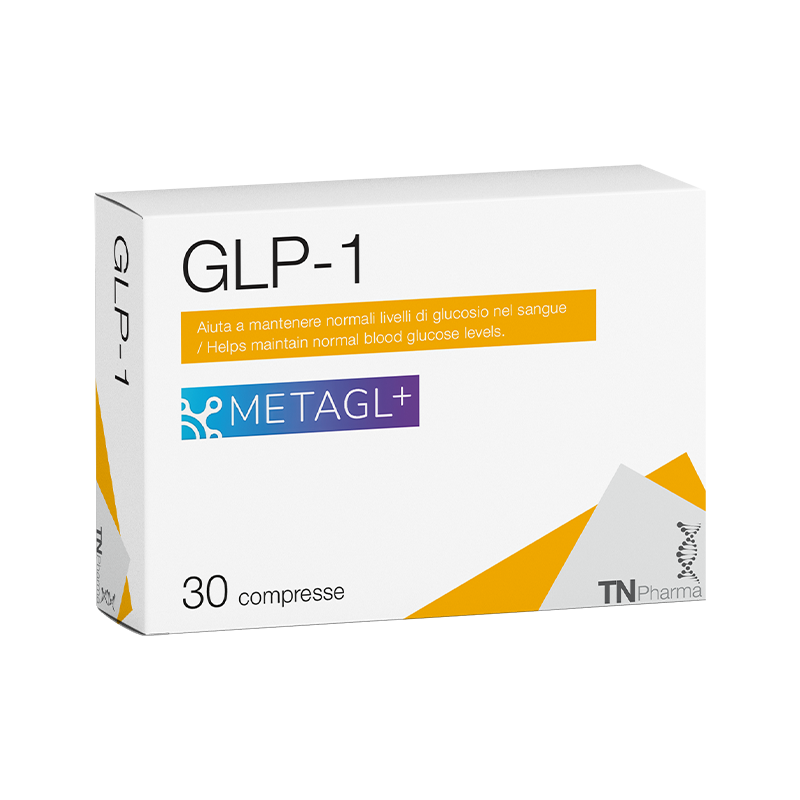
Tn Pharma’s GLP-1is a nutraceutical supplement in tablet form based on the METAGL+ blend (white mulberry, peony, orchid, biotin and vitamin D), designed to naturally support the mechanisms that regulate appetite and satiety.
Its formula is designed to support the physiological release of GLP-1, the gut hormone involved in post-meal satiety signals, helping you to feel fuller for longer and reduce unplanned snacking.
When combined with a balanced diet and an active lifestyle, GLP-1 Tn Pharma can contribute to better control of calorie intake and more regular meal management.
Supporting GLP-1 signalling also contributes to overall metabolic wellbeing, promoting a more balanced relationship with food and a more stable sense of energy throughout the day.
Tn Pharma’s GLP-1 is certified vegan, gluten-free and lactose-free, so it can be easily incorporated into various types of diet.
The most common ingredients and their effectiveness
In this type of supplement, you will often find:
- soluble fibre, which helps slow down the absorption of carbohydrates and promotes a feeling of fullness
- plant extracts traditionally associated with the metabolism of sugars and fats
- B vitamins, which support normal energy metabolism
- sometimes mineralsor other cofactors involved in carbohydrate metabolism
They may be effective, but results vary from person to person and depend heavily on diet and lifestyle. The available studies are often limited, so it is best to view these ingredients as a support rather than a primary solution.
How to choose the best GLP-1 supplement
To make an informed choice, it is useful to assess:
- the transparency of the label (clear listing of ingredients and dosages)
- the presence of standardised, rather than generic, extracts
- the absence of miracle claims or unrealistic promises
- the company’s reputation and the presence of quality controls
- whether the product is compatible with your own diet (e.g. vegan, gluten-free)
If you have any medical conditions, are currently taking medication or have specific concerns, consulting a doctor or nutritionist is always the safest option.
Analysing user reviews
Reviews can provide useful insights into tolerability, taste and convenience, but they should be read with a critical eye. It is normal to find very positive feedback alongside neutral or negative reviews, as the response to supplements is highly individual. The most reliable reviews are those that realistically describe small improvements in appetite, snacking habits or digestive comfort, without promising miracles. Be wary of reviews that are overly enthusiastic and generic or, conversely, those that are extremely negative without any context. Cross-referencing reviews with a professional’s opinion helps to form a more balanced view of the product.
The correct use of GLP-1 supplements
Using a supplement correctly means, above all, following the instructions on the label, without increasing the dose ‘on a whim’. It should be used as part of a healthy diet, regular exercise and adequate sleep, and not as a stand-alone solution for weight loss or to ‘regulate’ blood sugar levels. It is best to start when your condition is relatively stable, so that you can better understand whether and how the product affects your appetite, energy levels and digestion. If you have diabetes, chronic conditions or are taking medication, you should always discuss its use with your doctor. Stopping use and seeking advice if persistent symptoms arise is a common-sense rule that should not be underestimated.
Dosage and instructions for use
Each supplement has its own dosage schedule, but tablets are often taken once or twice a day with water, preferably around main meals. Some formulations recommend taking them before eating, specifically to enhance their effect on satiety and meal management. It is important not to exceed the daily dose specified by the manufacturer and not to combine several similar products without professional guidance. If you miss a dose, do not ‘make up for it’ by doubling the next dose, but simply carry on with the normal schedule. Consistency and patience are more effective than increasing the dose on your own.
Available formats: tablets and bottles
The most common formats are tablets or capsules, which are convenient to measure out, easy to carry around and simple to incorporate into your daily routine. Bottles or oral liquids, on the other hand, can be quicker to take and often come in flavours that make it easier for those who struggle with tablets to stick to their treatment. The choice between the two formats depends on personal preferences, lifestyle and, sometimes, swallowing or digestion issues. In terms of effectiveness, the quality of the formula and how consistently it is taken over time matter more than the format itself. The important thing is to choose a solution that you can actually manage to use regularly.
The benefits of GLP-1 for weight loss and blood sugar control
A healthy GLP-1 signal helps you feel full with appropriate portion sizes, making it easier to stick to a controlled diet in the long term. From a blood sugar perspective, it helps to reduce post-meal spikes and limit sudden drops in energy, often associated with ‘emotional eating’. This dual effect on hunger and blood sugar is why GLP-1 is so widely discussed in relation to weight and metabolic wellbeing. It is important to remember, however, that this is just one piece of the jigsaw: diet, physical activity, sleep and stress management remain the foundation of success. Supplements can only support these pillars; they cannot replace them.
Natural GLP-1 for weight management
Making the most of natural GLP-1 means planning meals that physiologically promote satiety and healthy blood sugar management. A diet rich in fibre, adequate protein and minimally processed foods promotes a more favourable hormonal response compared to junk food and refined sugars. Over time, this approach makes it easier to reduce excess calories without feeling constantly deprived. Some supplements aim to enhance this mechanism, but they are only at their most effective when used as part of a consistent daily routine. Weight management stems from the sum of many small actions, not from a single product.
The effect on blood sugar management
GLP-1 helps the pancreas to release insulin in a more targeted manner, that is, when blood glucose levels rise after a meal. At the same time, it inhibits glucagon, reducing the release of glucose by the liver at times when it is not needed. The slowing of gastric emptying means that glucose enters the bloodstream more gradually, preventing sudden spikes. This results in fewer energy fluctuations, a reduced feeling of ‘crash’ after meals very high in carbohydrates, and greater overall well-being. However, people with diabetes or other metabolic conditions should not rely on homemade supplements, but should follow the plan agreed with their doctor.
Frequently Asked Questions
How can GLP-1 production be stimulated naturally?
There are several approaches: balanced meals containing fibre, protein and ‘good’ fats; cutting down on refined sugars; regular physical activity; and getting enough sleep. Eating slowly and chewing thoroughly helps the digestive system send the right hormonal signals, including those related to GLP-1. Managing stress also plays a role, as ‘stress’ hormones can easily disrupt hunger, satiety and blood sugar levels. Supplements can provide support, but they are no substitute for these fundamentals.
Do natural GLP-1 supplements have any contraindications?
They are generally well tolerated, but may cause gastrointestinaldisturbances such as bloating, mild nausea or changes in bowel movements in some sensitive individuals. People taking medication for blood sugar levels, anticoagulants or undergoing other long-term treatments should always discuss this with their doctor before starting. During pregnancy, whilst breastfeeding, and in the presence of serious medical conditions, it is prudent to avoid self-medication and to seek guidance from a specialist. It is important to remember that ‘natural’ is not automatically synonymous with ‘safe for everyone’ and that common sense remains essential.
How long does it take to see results from a supplement?
Usually, there are no immediate effects: the effects are gradual and are often assessed over several weeks of consistent use. The first signs may include feeling fuller after meals and a reduced urge to snack between meals. Any impact on weight and metabolic wellbeing, if there is one, develops over time in conjunction with diet and physical activity. Every body reacts differently, so comparing your own experiences with those of others always has its limitations.
Is a natural GLP-1 supplement the same as a diabetes medicine?
No, they are very different things: GLP-1 receptor agonist medicines have a targeted, potent and controlled action, with specific indications and require medical supervision. Supplements simply aim to support the physiological mechanisms that regulate hunger and blood sugar levels, with a significantly gentler effect. They cannot replace insulin, oral antidiabetics or other prescribed medicines and must not be used to alter treatments without the advice of a specialist. Their role is to complement a healthy lifestyle, not to replace medical care when it is needed.