- Health and wellness
- 62007 views

To begin with, we will provide a physiological and biochemical overview of the link between acne and nutrition.
Acne is a skin condition characterised by inflammation of the hair follicles and sebaceous glands. Excessive sebum production is one of the main factors contributing to acne. Let’s now focus on the role of protein in sebum production and the development of acne.
Nutrition and acne
Nutrition plays an important role in the development and management of acne. Numerous studies have shown that certain foods can influence the onset and severity of acne.
One of the key factors is the glycaemic index of foods. The glycaemic index (GI) measures the rate at which a food raises blood sugar levels. High-GI foods, such as refined sugars, white bread and sugary drinks, can cause spikes in blood insulin levels. These spikes can increase sebum production and inflammation, thereby promoting acne.
In contrast, a low-GI diet, which includes foods such as vegetables, fruit, whole grains and lean proteins, can help maintain stable blood sugar levels and reduce the risk of acne.
Furthermore, some studies have suggested that the consumption of dairy products may be linked to acne. It is thought that this is due to the presence of hormones and growth factors in milk, which may influence sebum production and skin inflammation. However, further research is needed to confirm this link.
Certain specific nutrients may also play a role in managing acne. For example, omega-3 fatty acids, found in foods such as oily fish, linseeds and nuts, have anti-inflammatory properties and may help to reduce the inflammation associated with acne.
Furthermore, antioxidants such as vitamin A, vitamin E and zinc may help protect the skin from damage caused by free radicals and promote the healing of acne lesions.
What are the main causes and factors behind acne?
- Refined carbohydrates: foods with a high glycaemic index, such as refined sugars and simple carbohydrates, can cause spikes in blood insulin levels, which may affect sebum production and skin inflammation.
- Dietary fats: some studies have suggested that a high intake of saturated and trans fats may be linked to an increased risk of acne. In contrast, omega-3 fatty acids, found in foods such as oily fish, linseeds and nuts, have anti-inflammatory properties and may help to reduce the inflammation associated with acne.
- Vitamins and minerals: certain specific nutrients, such as vitamin A, vitamin E and zinc, may play a role in skin health and the management of acne.
- Food intolerances: Some people may find that their acne worsens after eating certain foods to which they are intolerant.
- Lifestyle and stress: in addition to diet, lifestyle and stress can influence acne.
- Hormones and development: further research is needed.
Acne is a skin condition characterised by inflammation of the hair follicles and sebaceous glands. Hormones, particularly androgens, play a key role in the development of acne.
Androgens are male sex hormones found in both men and women, but in different quantities. During adolescence, androgen levels rise, which stimulates sebum production by the sebaceous glands. Excess sebum can block the skin’s pores, promoting the formation of blackheads and the inflammation associated with acne.
Furthermore, androgens can increase the production of keratin, a protein that lines the hair follicles. Excess keratin can contribute to the blockage of pores and the formation of blackheads.
As well as androgens, other hormones such as insulin and insulin-like growth factor-1 (IGF-1) can influence the development of acne. Insulin is involved in regulating blood sugar levels, but can also stimulate sebum production. IGF-1, meanwhile, is involved in cell growth and division, including the proliferation of skin cells. High levels of insulin and IGF-1 can increase sebum production and skin inflammation.
Sensitivity to hormones can vary from person to person. Some people may be more sensitive to the effects of androgens and other hormones involved in acne, whilst others may not be significantly affected.
Factors such as stress can influence hormones and acne. Stress can increase the production of cortisol, a stress hormone, which in turn can affect sex hormones and sebum production.
In conclusion, hormones, particularly androgens, play a key role in the development of acne. Rising androgen levels during adolescence stimulate sebum production and skin inflammation. Other hormones, such as insulin and IGF-1, can also influence acne. It is important to take the role of hormones into account when managing acne and to adopt a holistic approach that also includes nutrition, lifestyle and stress management.
Glycaemic Index and Acne
Research into the role of refined carbohydrates, dietary fats, vitamins and minerals, food intolerances and lifestyle could provide further insights into the holistic management of acne. A low-glycaemic index diet, rich in wholefoods, vegetables and lean proteins, could be helpful in managing acne.
Protein and acne
Proteins are essential nutrients for our bodies and fulfil many vital functions, including the production of sebum. However, excessive sebum production can block the skin’s pores, promoting the formation of blackheads and the onset of acne.
Dietary proteins are made up of chains of amino acids, which are the building blocks of proteins. Certain amino acids, such as leucine and isoleucine, can stimulate the production of insulin and growth factors, particularly due to their insulinogenic index, which in turn can influence sebum production and skin inflammation.
Furthermore, some studies have suggested that a high intake of animal proteins, such as red meat and dairy products, may be associated with an increased risk of acne. It is thought that this is due to the presence of hormones and growth factors in foods of animal origin, which may influence sebum production and skin inflammation.
On the other hand, some research has suggested that an adequate intake of essential amino acids, such as lysine and methionine, may be beneficial in managing acne. Lysine plays a role in collagen production, which is important for skin health. Furthermore, it may help to reduce inflammation and promote the healing of acne lesions. Methionine, for its part, helps regulate sebum production. An adequate intake of methionine can help maintain a balance in sebum production, thereby reducing the risk of acne.
However, it is important to note that the effect of protein on acne can vary from person to person. Some people may find that their acne improves by reducing their intake of animal protein, whilst others may not experience any significant effect.
In conclusion, protein can influence acne through sebum production and skin inflammation. Certain essential amino acids, such as lysine and methionine, may play a role in managing acne. However, it is important to consider overall protein intake and to adopt a holistic approach that takes into account other factors, such as the glycaemic index of foods and the intake of specific nutrients.
Protein is essential for our bodies as it fulfils many vital functions, including sebum production. Sebum is a natural oil produced by the skin’s sebaceous glands and helps to keep the skin moisturised. However, excessive sebum production can block the skin’s pores, leading to the formation of blackheads and the development of acne.
To address this issue, you might consider replacing dietary protein or protein taken via supplements with a more suitable alternative, such as essential amino acids.
Taking essential amino acids instead of protein
Essential amino acids are the building blocks of proteins and are necessary for the proper functioning of our bodies. Certain essential amino acids, such as lysine and methionine, have been studied for their potential benefits in managing acne.
Lysine plays a role in collagen production, which is important for skin health. Furthermore, it may help reduce inflammation and promote the healing of acne lesions.
Methionine, meanwhile, is involved in regulating sebum production. An adequate intake of methionine could help maintain a balance in sebum production, thereby reducing the risk of acne.
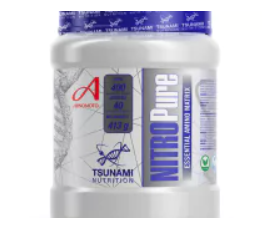 Tsunami Nutrition NITROPure is an essential amino acid supplement formulated using the patented AJINOMOTO® source. This supplement offers maximum absorption and cellular bioavailability thanks to its plant-based capsule formulation. It is certified vegan, lactose-free and gluten-free, making it suitable for a variety of dietary needs, particularly in this case as a partial replacement for protein intake from food or protein powder.
The intake of essential amino acids is particularly important for athletes and those who train regularly, as they influence energy levels, sporting performance and muscle recovery. We recommend taking 10 capsules a day, divided between before and after training, to maximise the benefits.
Ajinomoto’s AjiPure certification guarantees the quality and purity of the amino acids used in NITROPURE. These amino acids are obtained through the fermentation of plant-based carbohydrates, making them suitable even for vegetarians and vegans. Ajinomoto’s production process ensures a high degree of purity and complete absorption of the nutrients.
Tsunami Nutrition NITROPURE can be considered an alternative to protein powder supplements, as it provides the essential amino acids in the correct proportions and is fully absorbed by the body. 10 NITROPURE capsules are equivalent to approximately 25 grams of whey protein with no loss.
Replacing dietary protein or taking essential amino acid supplements should be considered, but must always be assessed and supervised by a healthcare professional, such as a dietitian or doctor.
In conclusion, essential amino acids can play an important role in the management of acne, as they contribute to sebum production and skin health.