- Health and wellness
- 68875 views

What is creatine and what are its benefits?
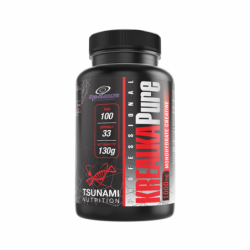
Creatine is a molecule that the human body is able to synthesise itself from the amino acids arginine, glycine and methionine. Its main function is to supply energy (ATP) to muscle cells. When taken as a supplement, creatine is used to increase muscle mass, strength and power, as well as to aid muscle recovery after physical activity.
In addition, creatine reduces the time needed for muscle recovery and increases exercise intensity by stimulating the secretion of GH testosterone, an important anabolic hormone that plays a crucial role in increasing muscle mass.
What role do proteins play in supplementation and muscle growth?
Proteins are molecules composed of amino acids and play a vital role in the growth and maintenance of muscle mass. Amino acids, which are divided into essential amino acids (which the body cannot synthesise) and non-essential amino acids (which the body synthesises itself), can be described as ‘building blocks’: they are, in fact, the building blocks used to construct cells and tissues. These components are constantly being repaired and replaced, which is why the human body has a constant need for protein from the diet, specifically to supply tissues and cells with the amino acids necessary for their construction and maintenance.
For athletes and sportspeople engaged in intense and repeated physical activity, protein requirements are higher than for those with a less active lifestyle.
Ensuring an adequate protein intake through diet and dietary supplements, tailored to the individual athlete’s needs, is essential for maintaining muscle mass, promoting muscle growth and the resulting increase in strength, helping the body adapt to the athlete’s growth requirements, and improving post-workout physical recovery.
How important is protein for muscle mass?
Protein is the main building block of muscles. Without an adequate daily intake of protein, it is not possible to meet the muscles’ needs in terms of maintenance and growth. Athletes involved in endurance or strength sports or disciplines should consume 2 grams of protein per kilogram of body weight daily: consuming this daily amount ensures that muscles have sufficient quantities of this macronutrient to support the growth and maintenance of muscle mass.
Please note: protein intake alone is not sufficient to lead to an increase in lean body mass. Muscle hypertrophy is a goal that can be achieved through a positive calorie balance (consuming more calories than you burn) and by following a consistent training programme.
Protein powders: types and use
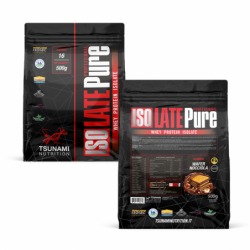
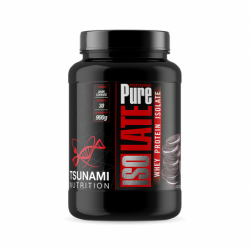
Protein powders are one of the most widely used supplements amongst athletes, particularly those who train in gyms, such as bodybuilders. The protein powders found in supplements are obtained through filtration and microfiltration processes: the most effective protein powders used by athletes are whey proteins, but there are various types of protein powder which differ mainly in terms of their source, their biological value (the amount of essential amino acids – EAAs – they are able to provide) and their amino acid profile (the list of amino acids that make up a protein).
Let’s take a look at the main protein powder supplements:
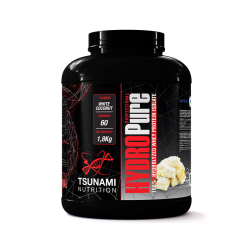
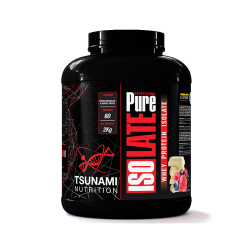
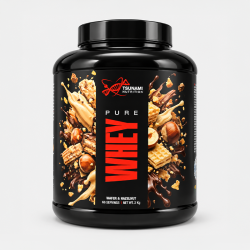
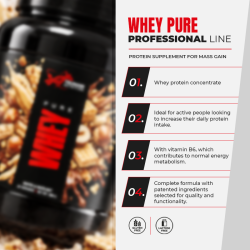
- Whey protein: whey protein powder is categorised into concentrate, hydrolysate and isolate. The main difference lies in the protein content: around 70 per cent for concentrates and up to 90 per cent for isolates and hydrolysates. The latter, thanks to a process called hydrolysis, are pre-digested, making them lighter and more easily absorbed by the body.
- Casein: Casein is the main protein fraction in milk; it is a source of slow-release amino acids. Because of this characteristic, casein is often used as a pre-sleep supplement to help maintain muscle mass whilst sleeping.
- Meat proteins: beef proteins are an important source of protein; they promote anabolic stimulation in the body and support the development of muscle mass.
- Egg protein: egg white protein is highly effective in building muscle mass and is an excellent alternative to the more widely used whey protein.
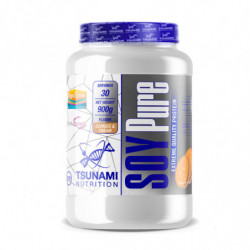
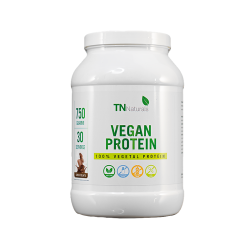
- Soya protein and other plant-based proteins: plant-based proteins can be obtained from various sources, such as soya, rice, peas and hemp. They are particularly suitable for vegetarian and vegan athletes, as well as those who are lactose intolerant, and possess nutritional benefits and properties that make them highly valuable as a supplement for athletes.
Creatine and protein together: how and why?
Supplements are used by athletes and sportspeople to compensate for deficiencies in certain nutrients caused by an unbalanced diet or in cases of increased nutritional requirements.
In particular, disciplines such as bodybuilding aim to optimise muscle building and growth, reduce body fat and increase lean body mass or muscle mass.
Creatine and protein are different substances that affect different aspects of sporting performance. These are two supplements widely used by athletes as they help to address nutritional deficiencies, increase strength and muscle mass, improve athletic performance, optimise recovery, and also have a positive effect on the proper functioning of the immune system and on overall health.
Creatine and protein are supplements considered to be safe and effective: protein can be regarded as one of the cornerstones of sports supplementation, as it provides the building blocks for muscle mass; creatine supplies more energy (ATP) to muscle cells, which increases strength, the ability to lift heavier weights and results in an increase in muscle volume.
The benefits of taking creatine and protein together
When combined with an endurance training programme, taking creatine and protein helps to increase muscle mass. Creatine and protein also play an important role in improving and speeding up post-workout recovery time.
How can you incorporate creatine and protein into your diet?
Protein and creatine can be incorporated into our diet in varying amounts through dietary supplements. This is recommended when there is an increased need, as may be the case for athletes, but it is important to remember that the primary source of nutrients should always be food.
Very often, foods containing creatine are also good sources of protein. Let’s take a look at the main natural sources of creatine and protein:
- Creatine is mainly found in beef and pork; in fish such as herring, salmon and cod; and, to a much lesser extent, in foods such as blueberries and milk.
- Proteins are divided into animal and plant-based proteins: the former are mainly found in red and white meat, eggs, milk and dairy products; the main sources of plant-based proteins are soya, pulses (beans, peas, broad beans and chickpeas, etc.) and nuts.
Creatine or protein: which to choose?
Creatine and protein are different substances and are difficult to compare. Creatine is a substance already present in our bodies, which can synthesise it itself from amino acids, up to 2 grams a day. Proteins are macronutrients made up of amino acids, which are the basic building blocks of muscle fibres.
For an athlete aiming for maximum muscle growth, such as a bodybuilder, it is difficult to recommend one supplement over the other, as both – when taken together and combined with a diet tailored to the athlete’s needs, alongside targeted and consistent training – can help achieve high-level performance and results.
Creatine or protein: differences and similarities
Creatine increases the energy available to the muscles, which is used particularly during intense, short-duration exercises: it boosts muscle strength and power, improving performance and enhancing the positive effects of training, such as hypertrophy. Proteins are macronutrients that provide the body with the amino acids needed to maintain and build muscle mass – a process the body carries out through protein synthesis – and which have a positive effect on post-workout recovery.
Creatine and protein are different substances that act differently on our bodies. The effects of these supplements can be described as complementary; they have a positive effect that maximises an athlete’s strength and muscle growth.
When should you take creatine on its own, or protein on its own?
Each athlete must choose their supplementation based on their own deficiencies, needs and goals. It is therefore difficult to answer such a question, other than to point out that creatine and protein are two different substances that play different roles and have different effects in the body.
Both help to increase strength: creatine does so by generating more ATP in muscle cells, which boosts energy and consequently strength and power during short, intense and repeated efforts. Protein is made up of amino acids, the main building blocks of our muscles; it therefore promotes muscle growth and maintenance.
For those who train just a few times a week, perhaps simply to stay in shape, protein is an ideal choice, possibly in combination with a multivitamin or vitamin C supplement.
Frequently Asked Questions
Can creatine and protein be taken at the same time?
Creatine and protein can be taken together. These supplements have been the subject of countless studies over the years and are now considered to be among the safest. For athletes who train for strength and power, creatine and protein promote muscle mass development.
How long does it take to see results after taking creatine and protein together?
Creatine and protein work and are absorbed by the body in different ways. As a general rule, it is recommended to take creatine for a period of between 4 and 12 weeks, to allow the muscles to store as much of it as possible. According to the most widely held views, an athlete taking around 5 grams of creatine a day will begin to fully benefit from its effects after roughly the first 4 weeks.
With protein, however, the situation is different, as this macronutrient is rapidly utilised to supply the muscles with the amino acids needed for repair, maintenance and growth.
Supplementing with creatine and protein, combined with a consistent weight-training programme and an appropriate diet, can yield the first noticeable results after 4 to 6 weeks.
At what time of day is it advisable to take creatine and protein?
It appears that creatine has beneficial effects on athletes regardless of the time of day it is taken; the important thing is regularity and consistency. Generally speaking, creatine can be taken before or after a workout : thirty minutes before the start of physical activity or within half an hour of finishing your workout.
Protein can be taken at various times of the day. Here is a brief overview of the main times of day when it is advisable to take protein powder:
- Upon waking: a protein-rich breakfast provides the body with the energy and amino acids needed for muscle function throughout the day. A protein-rich breakfast helps to limit or curb cravings and maintain regular meals and an appropriate daily calorie intake.
- Before training: a pre-workout protein intake provides the muscles with the amino acids needed to build more muscle, prevent excessive muscle breakdown and give the athlete more energy to tackle the workout. A pre-workout intake will make the post-workout intake less urgent.
- After training: this is the famous ‘anabolic window’. Consuming protein within half an hour of finishing your workout will provide the necessary amino acids to counteract muscle breakdown and promote muscle repair and growth.
- Before bed: whilst we sleep, our body continues to work, using the nutrients we have provided in the meal before going to sleep. If the body were to find itself ‘deficient’ in amino acids, it would draw them from muscle proteins. A protein-rich snack before bed (for example, containing casein) can be the best choice to prevent muscle protein breakdown and stimulate protein synthesis even whilst we are resting at night.