- Health and wellness
- 2167 views

What is caffeine?
Caffeineis a natural stimulant found in coffee, tea leaves, cocoa and guarana. It is a chemical compound with a physiologically active and stimulating effect on the central nervous system, capableof temporarily increasing alertness and concentration.
The chemical function of caffeine is to block adenosine, the molecule responsible for the sensation of tiredness. By reducing the perception of tiredness, it promotes greater mental and physical alertness.
Chemical formula and structure
Its molecular formula is: C8H10N4O2
- 8 carbon atoms (C)
- 10 hydrogen (H)atoms
- 4 nitrogen atoms (N)
- 2 oxygen atoms (O)
The chemical structure of caffeine has a distinctive conformation that allows the substance to easily cross the blood-brain barrier, rapidly reaching the brain and triggering its stimulating effects.
Its formula is very simple but conceals details that are biologically significant: its molecular configuration makes caffeine one of the most powerful and widespread stimulants in the world.
Classification as a psychoactive substance
Caffeine is a stimulant psychoactive substance capable of:
- Influence brain activity
- Alter mood or one’s perception of it
- Temporarily alter mental state.
Because of these characteristics, coffee falls within the classification of psychoactive substances, i.e. those capable of altering brain response and influencing concentration and reaction times.
Mechanism of action and metabolism
The main mechanism of action of caffeine is to block adenosine receptors, which promote relaxation and reduce neuronal activity. Caffeine binds to these receptors and acts on them to reduce feelings of tiredness and increase alertness.
Ultimately, caffeine acts to block adenosine by stimulating the central nervous system. Its metabolism may vary depending on individual sensitivity. Caffeine is metabolised and broken down mainly in the liver. Rapid absorption occurs within approximately 45 minutes, with the duration of action in healthy adults ranging from 3 to 5 hours. Metabolism always varies depending on: age, lifestyle and genetic predisposition.
The benefits of caffeine
Caffeine is mainly valued for its stimulating effects:
- Increased energy and reduced fatigue: by blocking adenosine, it helps to counter drowsiness
- Improved concentration and attention: increased alertness and a greater sense of mental focus
- Support for sporting performance: it helps improve endurance through enhanced concentration
- Metabolic boost: it indirectly contributes to weight management when incorporated into a diet and exercise regime.
Effects on the nervous system
Caffeine’s main action is on the central nervous system, where it produces various effects. By blocking adenosine receptors, it reduces fatigue and drowsiness.
This results in improved focus and mental alertness in response to stimuli. It can aid concentration through cognitive stimulation. This is why it is widely used in professional, academic and sporting contexts.
If consumed in excess, it can cause nervousness, tremors or tachycardia. It is always essential to use caffeine responsibly to avoid unwanted side effects.
Improved physical performance
One area where caffeine is particularly widely used is sport. Various formulations have been studied for the benefits they bring to the central nervous system, and for their ability to reduce the perception of fatigue, as well as helping to improve physical performance.
The main benefits are:
- Increased endurance
- Greater strength and power
- Reduced perception of exertion.
Among the most practical pre-workout solutions are Tsunami Nutrition’s energy shots– fast-absorbing liquid formulations that are ideal when an immediate effect is required.
Forms and sources of consumption
The main forms of caffeine intake vary depending on individual needs, the speed of action and the context of use. Options include drinks, tablets or capsules, gels or energy shots, as well as natural extracts such as guarana, cocoa and green tea.
The choice of the most suitable form depends on your needs and personal preference:
- Focus and concentration: tablets or capsules
- Immediate energy for training: energy gels or shots
- Daily consumption: coffee, tea or guarana.
The best time to take a caffeine supplement depends on your personal goals and the various ways this nutrient contributes to general wellbeing.
The differences between caffeine and theine
The main difference between caffeine and theine is the percentage of caffeine present in the solution. The chemical formula is the same (C8H10N4O2), whilst the rate of absorption and effects vary.
Coffee is absorbed quickly, producing an immediate surge in energy and alertness; whereas tea contains caffeine combined with L-theanine, an amino acid that slows down absorption and promotes a calmer, more sustained state of alertness, reducing nervousness and tremors.
The average amount of caffeine per drink is generally:
Using caffeine in powder and capsule form
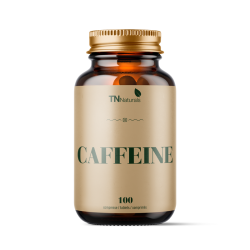
Tsunami Nutrition’s caffeine capsules are called Caffeine. The benefits of taking a whole capsule are: you consume the full dose,the effect is rapid and kicks in within about 40 minutes. As well as being convenient and easy to carry with you, so you can take it at any time of day.
Caffeine powder is more concentrated than capsules, but can be dangerous if not dosed correctly. It offers flexibility in dosing, but there is a risk of side effects if the dosage is not perfectly tailored to your own regime (including your diet). This carries the risk of causing nervousness and tension.
Capsules and powder are aids that help boost energy and performance, but require particular care when taking them and adjusting the dosage.
Side effects and contraindications
The most common side effects are: nervousness, restlessness and muscle tremors, headaches and dizziness, as well as the most common gastrointestinal disturbances such as heartburn and diarrhoea.
These effects are rare if each daily dose is taken responsibly. It is advisable to check your own physical condition before starting any supplementation.
Risks associated with overdose
Taking a high dose of caffeine can lead to various symptoms. These range from mild symptoms, such as headaches, restlessness and muscle tremors, to more serious ones such as tachycardia, convulsions or severe anxiety.
The risk of side effects associated with an overdose is the most common, and can even be dangerous.
Drug interactions
Although caffeine is a natural substance, it can interfere with the absorption of other medicines, altering their effect or amplifying its stimulating effects on the nervous system and the heart. It is important to be aware of the substances you are consuming to avoid unwanted side effects.
Frequently asked questions
What does caffeine do to our bodies?
Caffeine blocks adenosine, which causes feelings of tiredness, and increases alertness and concentration by reducing reaction times.
- On metabolism and energy: it promotes the mobilisation of fats as an energy source and may slightly increase basal metabolic rate;
- On the heart and circulation: it stimulates the sympathetic nervous system, increasing heart rate and blood pressure;
- On sporting performance: it improves endurance and promotes mental alertness and concentration during training.
It is always importantto combine your diet with any supplementation you wish to take, so as not to overstimulate the nervous system or compromise your overall metabolic health.
Who should avoid caffeine?
The following groups should avoid caffeine: children, pregnant women, people with heart conditions, those suffering from anxiety or panic attacks, and those who are sensitive to caffeine.
Caffeine is safe for most adults, but some people should avoid it or limit their intake to prevent side effects.
What happens if I drink coffee whilst pregnant?
During pregnancy, caffeine crosses the placenta and can reach the foetus. As the baby’s metabolic system is not yet fully developed, caffeine is eliminated more slowly.
The risks include miscarriage, reduced birth weight, or increased hyperactivity in the child.
Caffeine is the most widely consumed psychoactive substance in the world and is consumed daily through drinks, food and supplements, whether to improve concentration or to support sporting performance.
Discover the caffeine-based patents and products created by the Research & Development Team at Tsunami Nutrition!