- Nutrition
- 23909 views

In recent years, there has been a lot of talk about vegan and vegetarian diets, but few people yet understand the real long-term benefits and the risks that can arise if the diet is not properly structured. In this article, we begin to explore the world of veganism, seeking to better understand the choice to adopt this lifestyle and how to follow it sensibly.
What is a vegan diet?
The VEGAN diet, or simply a vegan diet, is a variation of the vegetarian diet that completely excludes products of animal origin, including meat, fish, shellfish, dairy products, eggs and insects, as well as other intensively produced foods such as honey.
Thus, a TRUE vegan diet is based on the consumption of whole, unprocessed foods, in line with plant-based philosophy, which includes the consumption of seasonal fruit and vegetables, pulses, spices and herbs, cereals and pseudo-cereals, nuts and seeds.
The main reasons for choosing a vegan lifestyle are ethical and health-related. In addition, many vegans avoid wearing clothing made from animal products, such as leather jackets, and do not use products tested on animals.
Health benefits of a vegan diet
In general, a higher intake of high-quality plant-based foods and a lower intake of animal-derived foods are associated with a reduced risk of heart disease, obesity, osteoporosis and type 2 diabetes.
Genuine vegan diets – those based on plant-based products – are associated not only with all the benefits mentioned above, but also with a lower body mass index (BMI) and a reduced risk of obesity. Furthermore, it has been shown that vegan diets are much more effective for weight loss than an omnivorous or vegetarian diet that also includes fish. When you think about it, replacing animal-based foods and/or high-fat, high-calorie ready meals with nutrient-rich, low-calorie plant-based foods can actually help people manage their body weight more effectively.
Finally, deciding to become vegan can help reduce the risk of chronic diseases. According to a very large study carried out in 2017, a vegan diet can help reduce the risk of chronic diseases by up to 15 per cent. This is a very significant finding which demonstrates that a vegan diet, rich in high-quality plant-based foods, dietary fibre and phytochemicals (active compounds found in plants), can be beneficial in preventing chronic diseases.
Let’s clarify an important point: when reviewing scientific research on the benefits of a vegan diet, it is essential to distinguish between a healthy vegan diet (HVD) and an unhealthy vegan diet (UVD). If the vegan diet is based on processed foods with a high glycaemic index, such as refined cereal products (e.g. white flour only), fruit juices, sugary drinks, ultra-processed soya-based products such as meatballs and cutlets, sweets and desserts, it offers no health benefits and may even be worse than a well-planned and varied omnivorous diet.
An unhealthy vegan diet, like any diet based solely on processed foods, can increase the risk of heart disease, metabolic problems such as type 2 diabetes, and mortality. This is why food quality is a key factor in achieving health benefits, particularly when following a vegan diet. That is why it is important to base your vegan diet on plant-based foods – which does not mean eating only fruit and vegetables – but rather adopting an approach that follows natural rhythms, relies on whole, unprocessed foods, respects seasonality and incorporates a variety of colours and flavours. Furthermore, the more one is able to value local culture and traditions, the closer one comes to the plant-based philosophy.
Guidelines for a proper vegan diet
Let’s now look at some important guidelines to follow when deciding to embark on a vegan lifestyle:
- Focus on eating a variety of wholesome, health-promoting foods: it is essential to eat a wide variety of foods when following a vegan diet. An easy way to achieve this is to choose high-quality, unprocessed produce wherever possible, varying the colours of your fruit and vegetables, eating seasonally and prioritising locally grown produce. This ensures a wide range of micronutrients and, above all, important antioxidants such as carotenoids and flavonoids, which together promote overall health. It is equally important to vary your selection of plant-based protein sources, such as pulses, nuts, seeds and certain grains.
- Make informed choices: opt for brown rice over white rice, bread made from stone-ground flours over bread made from ultra-refined flours, tofu, tempeh and other pulses over vegan meatballs and sausages, but also take advantage of the increased availability of ancient grains and pseudo-grains such as quinoa, millet and amaranth, to name but a few.
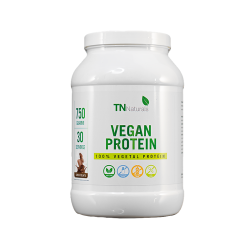
- Meeting daily protein requirements: as protein intake is often insufficient among vegans, particularly among athletes, using vegan protein powder supplements can be a smart way to increase and maintain a balanced protein intake throughout the day. Protein is essential for many functions of the human body, including the building of new muscle tissue, digestion, proper metabolic function, immune function, hormonal balance and the efficient functioning of the central nervous system. The most commonly used sources of plant-based protein are soya, lupin, lentils, beans, peas, hemp, pumpkin and linseeds, rice and quinoa. Among the many vegan options available, Tsunami Nutrition has developed TN Naturals Vegan Protein, a 100 per cent plant-based protein powder supplement that can support any diet, including those of athletes and sportspeople.
- Avoid vegan junk food: let’s be clear, just because a product is labelled ‘vegan’ doesn’t necessarily mean it’s healthy. Read food labels carefully to ensure they don’t contain too much sugar or refined oils. Vegan meatballs, sausages and burgers are worse than many omnivorous foods! Aim for a genuine vegan diet – a plant-based diet that contains all the macronutrients in their simplest possible form.
Essential supplements for a vegan diet
Generally speaking, as well as monitoring your intake of protein and, above all, essential amino acids – which can be lacking in a vegan diet – you must also ensure an adequate intake of micronutrients, particularly vitamin B12, iron, zinc, calcium, iodine and omega-3.
Vitamin B12
Vitamin B12 is a water-soluble vitamin that plays a part in numerous reactions within the body. Few people realise this, but B12 is the only water-soluble vitamin that is stored in the body. Consequently, when switching from an omnivorous diet to a vegan diet, it is highly likely that the body’s stores of this vitamin will still be full. The problem arises over time. It is found in significant quantities only in foods of animal origin, the richest sources being certain red meats, liver, followed by eggs, fish and cheese. In recent years, it has often been claimed that fermented foods such as tempeh are excellent sources of vitamin B12. However, apart from the wide variation in B12 content across fermented foods, there is evidence that the form of B12 present in these foods differs from the form required by our bodies and is therefore of no use. The same applies to home-made kombucha and other plant-based foods.
Research has repeatedly confirmed that, in the case of chronic illnesses, even years after adopting a vegan diet, it is essential for vegans to have their vitamin B12 levels checked periodically and to supplement their diet with this vitamin.
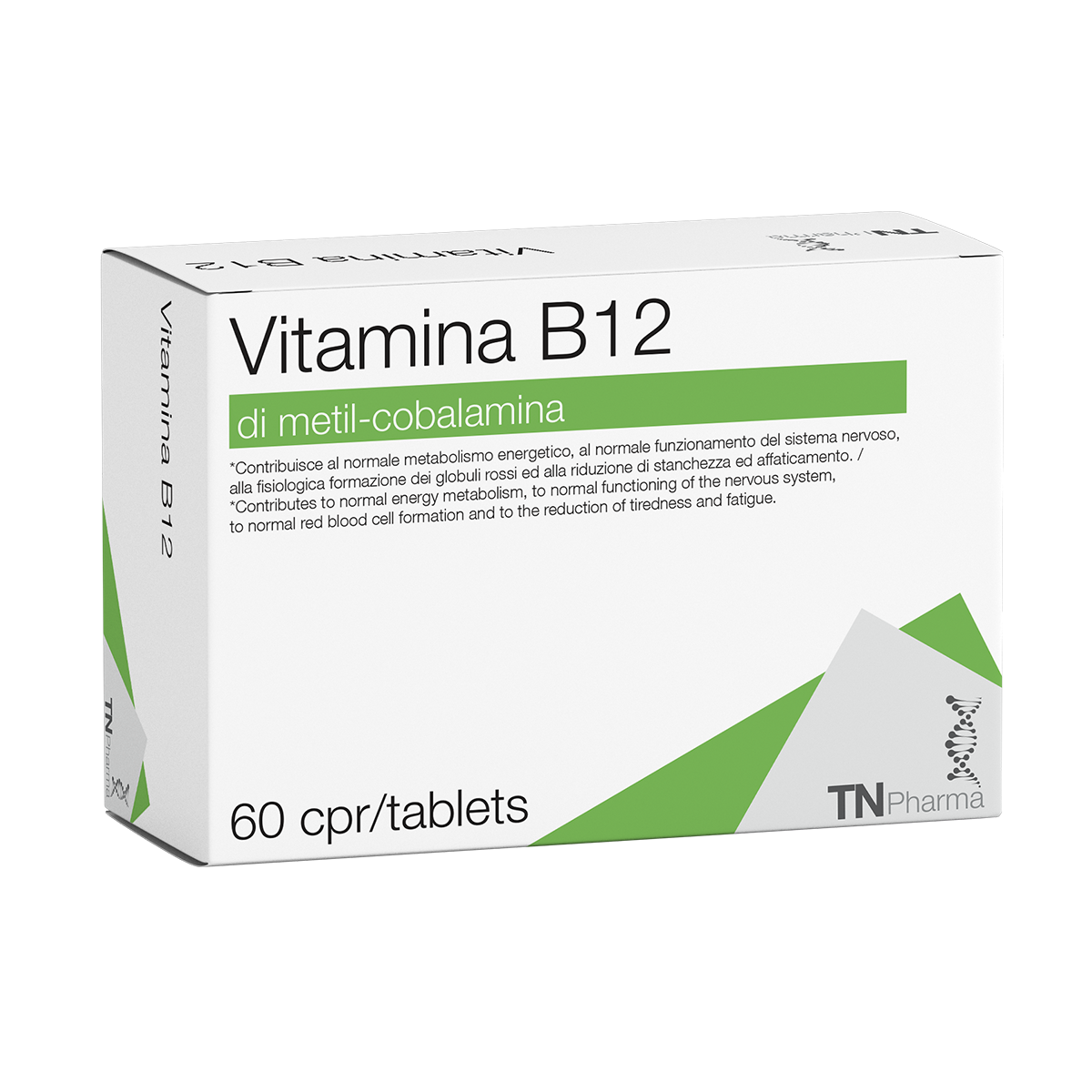
There are several forms of vitamin B12. The most common form is cyanocobalamin, which is entirely synthetic and is not recommended for vegans. The most bioavailable and effective form for the body is methylcobalamin.
This is why we have formulated TN Pharma Vitamin B12 using methylcobalamin alone, a highly bioavailable form of vitamin B12 in its methylated form, which supports normal energy metabolism, improves the functioning of the nervous and immune systems, promotes the formation of red blood cells and reduces tiredness and fatigue. For vegans, a daily dose of 1,000 mcg of methylcobalamin is recommended, which is the same dosage as in our TN Pharma supplement.
Iron
Iron is another ‘sensitive’ nutrient for vegans, particularly for women with a regular menstrual cycle and during pregnancy. The most alarming finding, according to the latest studies, is that children under two years of age, teenage girls, athletes and older people are also at high risk of deficiency, even if they do not follow a vegan diet. Iron is an essential element for human life. It plays a central role in the structure of haemoglobin in red blood cells (RBCs) and helps transport oxygen from the lungs to body tissues and carbon dioxide from the tissues back to the lungs. Iron is also important for several enzymes involved in the proper functioning of metabolism and DNA synthesis.
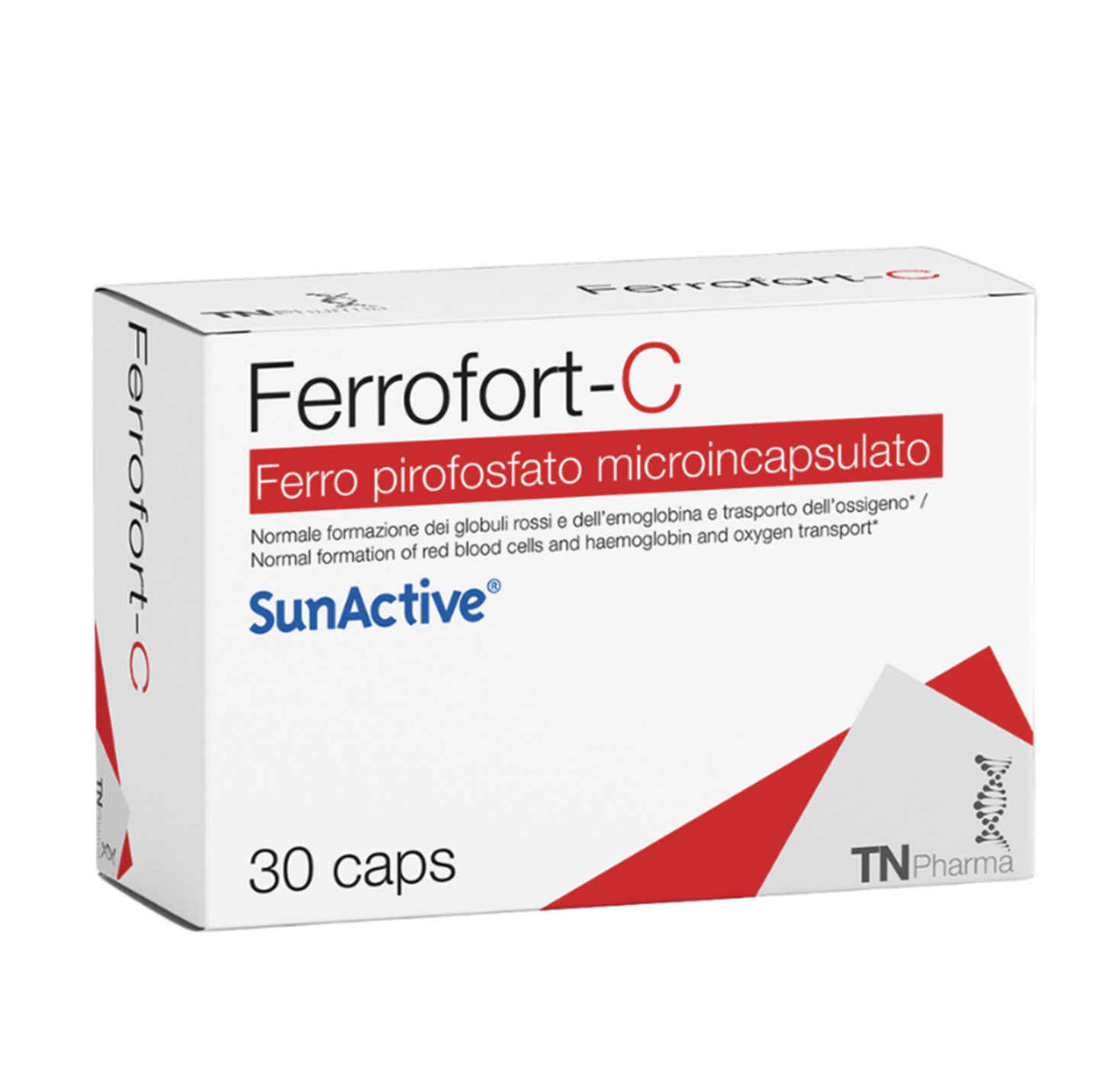
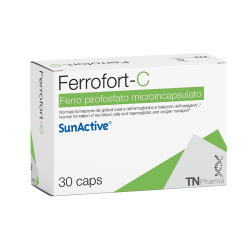
For vegans in particular, in addition to a comprehensive blood test (not just ferritin levels), the recommended daily dose is 30 mg of elemental iron to maintain adequate iron status. Given its importance, we offer Ferrofort-C TN Pharma, our SunActive®-certified microencapsulated iron pyrophosphate formulation (encapsulated in special structures capable of passing safely through gastric juices) with added vitamin C to enhance absorption.
Ferrofort-C, in addition to being highly effective, is a form of iron that is very gentle on the stomach, suitable for vegans, and will not cause the usual side effects associated with taking conventional, poor-quality iron supplements.
Zinc
Zinc intake is often insufficient among vegans. This can lead to the malfunctioning of many bodily processes, as zinc is an essential cofactor for the human body, particularly for the proper functioning of the immune system. In short, without an adequate intake of zinc, we lose our strong ability to fight off viruses and regulate the immune responses that lead to inflammation.
For adults, the recommended daily intake of zinc is between 15 and 25 mg. For children, the recommended intake is between 5 and 10 mg.
There are many forms of zinc. Although many clinical studies have used zinc sulphate, this form is not well absorbed compared to other forms, such as zinc picolinate, acetate, citrate, bisglycinate, oxide or monomethionine.
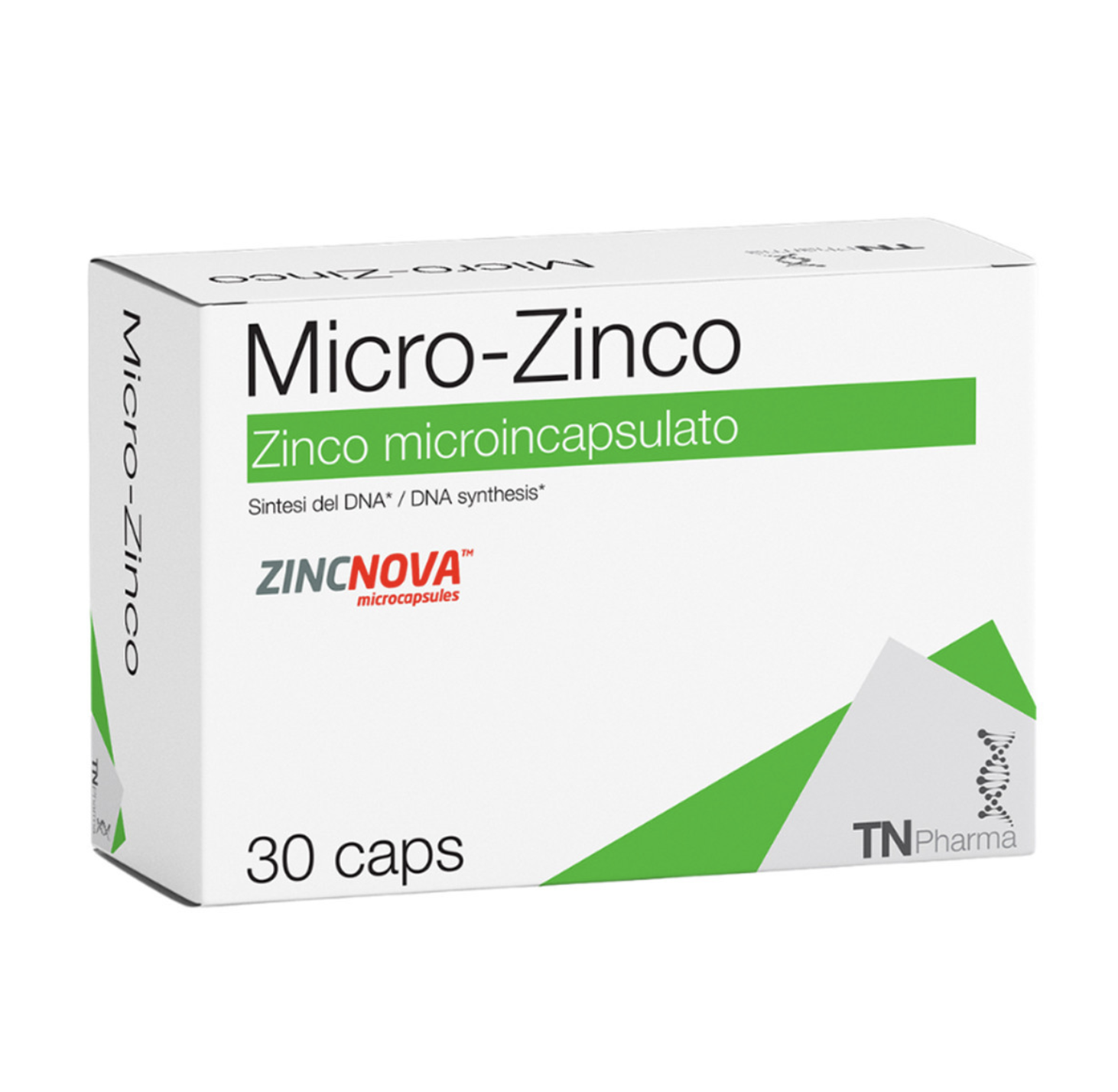
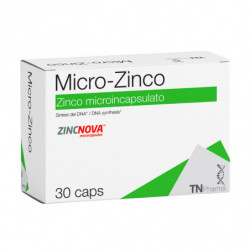
In this case, I recommend our TN Pharma Micro-Zinc, a patented ZincNova™ zinc supplement specially formulated to provide this essential mineral in cases of deficiency or increased demand. One of the key features of this zinc supplement is its purity. Micro-Zinc stands out from other zinc supplements primarily due to its patented raw material (ZincNova™ microencapsulated zinc), which is natural and pure, as the processing takes place in protected and controlled environments, ensuring it is free from any possible contamination.
Iodine
Few people realise it, but many vegans suffer from thyroid problems linked to a low iodine intake. It is thought that this deficiency is due not only to the environment in which they live, but also to a reduced dietary intake. Eating seaweed such as wakame, kelp, nori and kombu is one option, but to ensure an adequate intake, vegans should consume at least 150 mcg per day, 220–250 mcg during pregnancy and 250–290 mcg whilst breastfeeding.
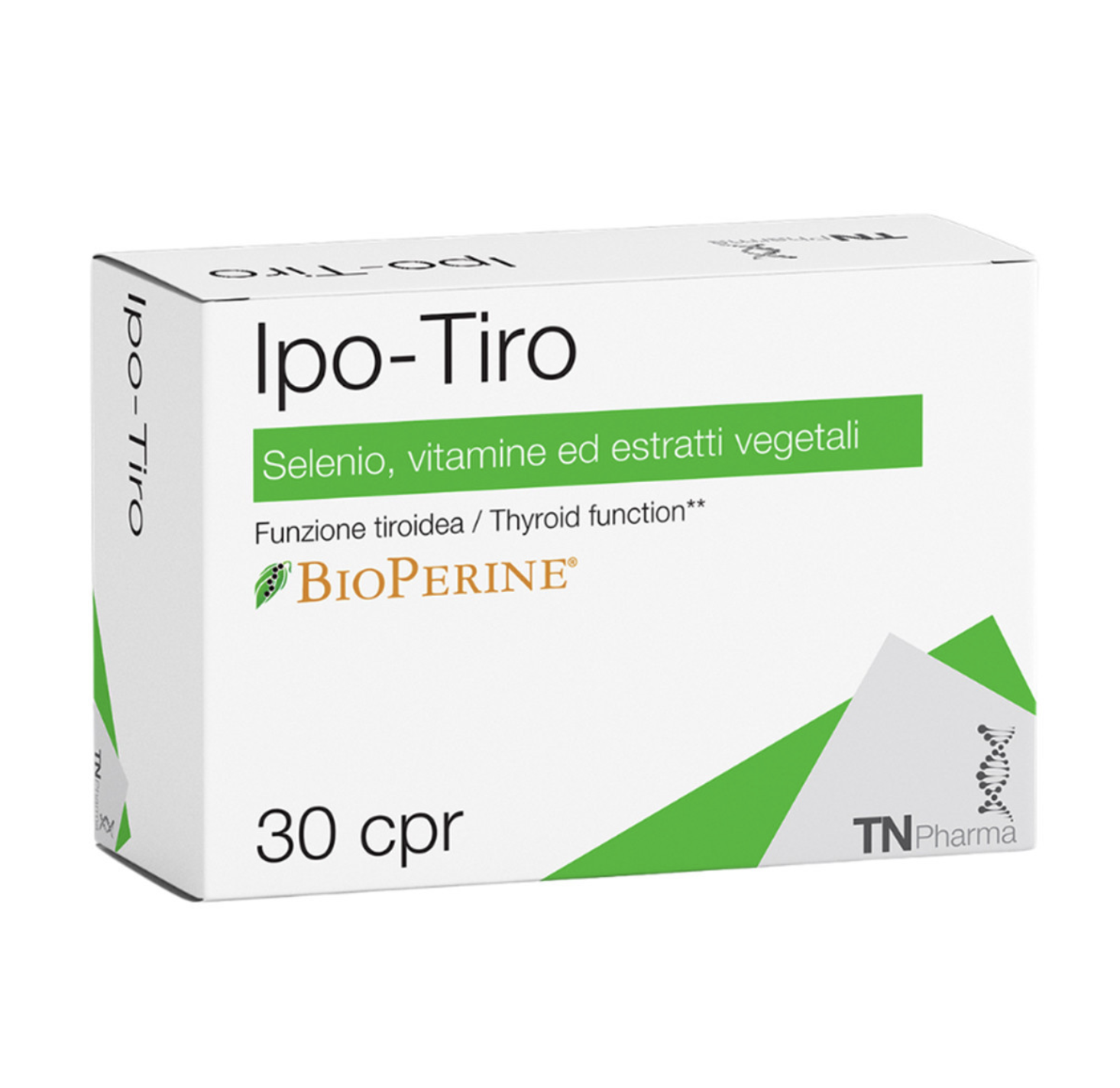
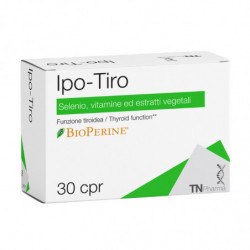
If you suffer from hypothyroidism, you may wish to try our innovative and highly effective Ipo-Tiro TN Pharma formula, a product comprising unique nutraceuticals and co-factors designed to normalise thyroid function and provide an anti-inflammatory effect.
Omega-3s
Omega-3 fatty acids, particularly EPA and DHA, are essential for our bodies. They play a part in numerous reactions within our bodies, helping to keep our hearts healthy, ensuring our central nervous system functions properly, supporting an efficient metabolism and maintaining healthy eyes. One of the best dietary sources of omega-3 is oily fish (which is rarely caught), a source excluded from a vegan diet. There are some plant-based sources of short-chain omega-3s derived from ALA (alpha-linolenic acid), the precursor to omega-3s that our bodies can convert (much less efficiently) into EPA and DHA. In some cases, this conversion can prove very problematic: research has shown that only 1–2 per cent of ALA can be converted optimally. Furthermore, in the event of systemic or intestinal problems, this conversion may be even more compromised. This is why Tn Pharma’s R&D department is moving in a direction that also enables people following a vegetarian or vegan diet to meet this requirement.
As regards dosage alone, the scientific community has not reached a unanimous agreement on the recommended daily intakes of DHA and EPA. Numerous studies have been conducted on DHA supplementation in vegetarian populations (as DHA can be converted back into EPA, DHA supplementation is an effective way of also increasing EPA levels).
These studies point the way towards an optimal intake, suggesting that adults should consume at least 300 mg of DHA per day.
Of course, it is always advisable to vary your diet with different sources of ALA, such as hemp, pumpkin, certain nuts, chia seeds and linseeds (preferably ground), which help to support the body.
Calcium
Calcium is an essential element for the body, playing important roles such as regulating muscle contractions and ensuring a healthy heart rhythm; it is also vital for nerve transmission and blood clotting. Together with vitamin D3 (another important micronutrient that the general population should supplement), it is also vital for bones and the skin. Several studies have shown that vegans who exercise may have an insufficient calcium intake, which could increase the risk of injuries and bone fractures.
Fortunately, many plant-based foods contain calcium and/or have been fortified. These include green leafy vegetables, tofu, soya yoghurt (which is often fortified with calcium), plant-based drinks, nuts – particularly almonds – sesame seeds and certain types of wholemeal bread.
Conclusion
Discussing a vegan diet is always a very broad and sensitive topic that cannot be summarised in a single article. As we have seen today, when embarking on a vegan diet, it is important to focus on a good variety of healthy, whole and colourful foods – preferably seasonal and locally sourced – that align with the plant-based philosophy, in order to provide an adequate amount of the macro- and micronutrients that are essential for our bodies.
Another important point that should not be overlooked is the careful consideration of sensible supplementation with high-quality products that can counteract the various deficiencies which, as we have seen, can lurk just around the corner in vegan diets.