- Nutrition
- 27242 views

Paying attention to your diet during pregnancy is one of the most important factors in ensuring that all stages of pregnancy proceed smoothly and in maximising the baby’s health.
The mother’s diet must provide sufficient energy and nutrients to meet both her own normal needs and those of the growing foetus.
It is well known that the mother’s nutritional status at the time of conception is a key factor in the growth and development of the foetus, so a healthy, balanced diet is essential, both before and during pregnancy.
It is estimated that the optimal weight gain during pregnancy is around 12 kg for a woman of normal weight; this increase must be supported by an appropriate rise in calorie intake throughout the different trimesters, as well as by an appropriate distribution of macronutrients, with particular emphasis on polyunsaturated fats, including DHA (docosahexaenoic acid), which plays a role in the development of the brain and retina.
During pregnancy, the requirements for vitamins, minerals and trace elements also increase, and most women take pregnancy-specific vitamin supplements to meet these increased nutritional needs or to address deficiencies caused by an irregular or inadequate diet.
Let’s now look at which supplements are most recommended during pregnancy and why it is essential to take certain supplements to meet increased requirements or address deficiencies.
FOLIC ACID
It is important to take this vitamin several months before conception, if possible, and to continue until the end of the first trimester.
In the case of a planned pregnancy, folic acid is always taken well before conception. It is a B-group vitamin involved in the formation of the neural tube; a consistent intake is essential to prevent neural tube defects, such as spina bifida.
A deficiency in this vitamin has also been linked to pregnancy complications such as miscarriages, premature births and low birth weight.
Folic acid is found in various foods such as green leafy vegetables, orange juice, rice and pulses, as well as in commercially available dietary supplements.
VITAMIN D
It helps the body absorb calcium and phosphorus, which are essential for the formation of bones, teeth and muscles.
Furthermore, vitamin D plays a role in many other functions that are vital to our health, through its effects on the immune system and the neuroendocrine system.
Our bodies produce vitamin D when we are exposed to sunlight for at least 15 to 20 minutes, so it can be difficult to maintain adequate levels of vitamin D in winter.
Vitamin D is mainly found in various animal-based foods such as oily fish (salmon, mackerel), meat and eggs.
If your diet is lacking in these foods and you get little exposure to the sun, you are at high risk of developing a vitamin D deficiency, with a whole range of negative consequences for your health. This is even more important during pregnancy, as vitamin D requirements increase.
It is therefore strongly recommended that you take vitamin D supplements, as well as getting daily exposure to sunlight whenever possible.
VITAMIN C
The benefits of vitamin C are numerous and have often been discussed in various articles on the Tsunami Nutrition blog.
There is no doubt that a vitamin C deficiency must be avoided at all costs during pregnancy, particularly due to increased requirements.
Eating foods rich in vitamin C is certainly the best way to obtain it, but care must be taken with cooking methods and food storage, as it is a highly unstable vitamin that is easily destroyed. Here too, supplementation can prove very useful.
VITAMIN A
Take care with this vitamin!
It has been observed that foods rich in vitamin A, such as pâté and liver, can cause accumulation and congenital malformations, so the intake of this vitamin during pregnancy must be monitored.
Among the minerals and trace elements, IRON and IODINE are those for which daily requirements increase the most during pregnancy.
IRON
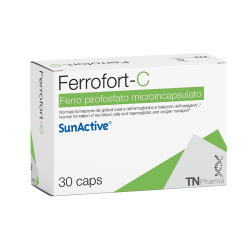
Iron is essential for the formation of the placenta and foetal tissues, as well as for adequate erythropoiesis and, consequently, optimal oxygen transport.
An adequate intake of iron is particularly important in cases of maternal anaemia or in women with pre-existing anaemia.
Caution is advised when consuming coffee or tea at the same time as iron, as these drinks can reduce its absorption.
Conversely, vitamin C aids the absorption of iron.
Iron is found in green leafy vegetables, lean meats, dried nuts and dairy products, but dietary intake has been shown to be insufficient in cases of iron-deficiency anaemia; therefore, dietary supplementation is strongly recommended in such cases.
IODINE
It is essential for the biosynthesis of thyroid hormones and for brain development, thereby helping to prevent congenital cretinism or developmental delays. Adequate iodine intake is essential during pregnancy. Consumption of iodine-rich foods and iodised salt is therefore recommended.
CALCIUM
Calcium supplementation is often recommended for pregnant women due to its importance. It is important to note that requirements vary depending on the different stages of pregnancy.
Calcium deficiencies are often observed during pregnancy, which is why many women need to take supplements.
Contrary to popular belief, calcium is not only found in dairy products, but also in modest quantities in green leafy vegetables such as broccoli, spinach and kale.
However, in many cases, even with an adequate intake of these foods, calcium deficiencies are still observed, and it is therefore important to take dietary supplements.
ZINC
It is important for cell replication, wound healing, and the metabolism of fats and proteins, and contributes to normal weight gain in children.
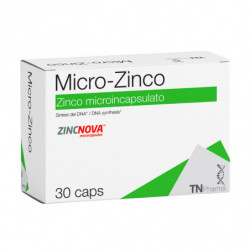
It is found in eggs, peas, meat, maize and seafood, but deficiencies can also occur in this area, which must be addressed with a dietary supplement.
We have therefore come to realise that during pregnancy, it is essential to eat a balanced diet and to take dietary supplements in all cases of deficiency or increased requirements for vitamins and minerals.
However, we have also realised that not all vitamins are beneficial and that caution is required when taking them.
This is why taking a multivitamin supplement is neither sufficient nor appropriate; on the contrary, it could be counterproductive and dangerous for the healthy progression of the pregnancy.
The ideal approach would be to assess the pregnant woman’s nutritional status and to intervene strategically with individual vitamins, minerals and trace elements, under the close supervision of a specialist.
To this end, the research and development team has developed a whole range of vitamins, minerals and trace elements that can be taken individually.
This includes the full range from the TN Naturals, Tn Pharma and Tsunami Nutrition brands – supplements expertly formulated from high-quality raw materials.
OMEGA 3
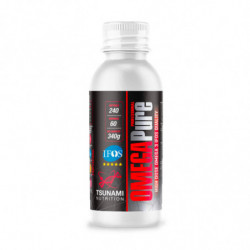
Numerous studies have shown that an adequate intake of omega-3 polyunsaturated fatty acids is essential for a healthy pregnancy and for maintaining the health of both the pregnant woman and her unborn child.
This is why it makes perfect sense to takeomega-3 supplements during pregnancy and even whilst breastfeeding.
In this case, it is always important to choose high-quality supplements, checking the IFOS score, to ensure high-quality raw materials free from contaminants that are harmful to health.
In this regard, we recommend reading the article previously published on our blog, which discusses omega-3s in detail.
ESSENTIAL AMINO ACIDS AND PROTEIN POWDER
The use of these supplements during pregnancy and breastfeeding has been the subject of much debate.
The scientific literature certainly needs more research on the subject, but based on the few studies available, it is clear that in all cases where the diet is deficient in protein and amino acids for whatever reason, it is essential to take supplements that can ensure daily protein requirements are met, as these are vital for the child’s proper growth.
Various sources of protein can be used, such as whey, soya and egg white, but it is certainly important to choose products that meet very high standards, particularly in terms of raw materials.
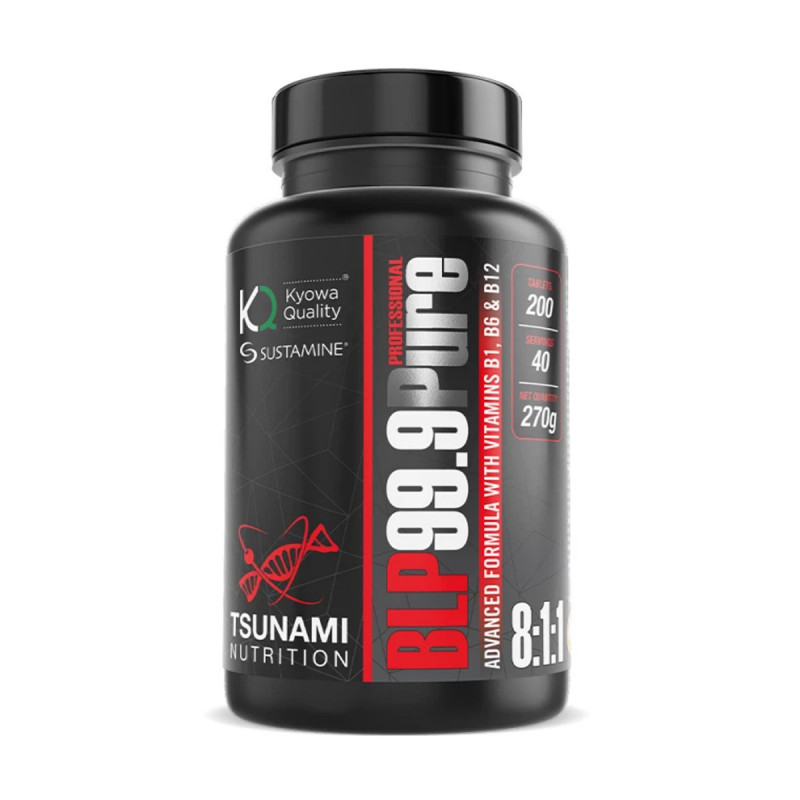
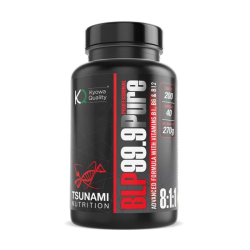
Similarly, for amino acids, we recommend taking essential amino acids made from certified and safe raw materials, such as Tsunami Nutrition’s BLP99.9, which is made from Kyowa®-certified amino acids.
In conclusion, we can say that the myth that you should not take supplements during pregnancy needs to be dispelled – quite the opposite, in fact!