- Training
- 39152 views
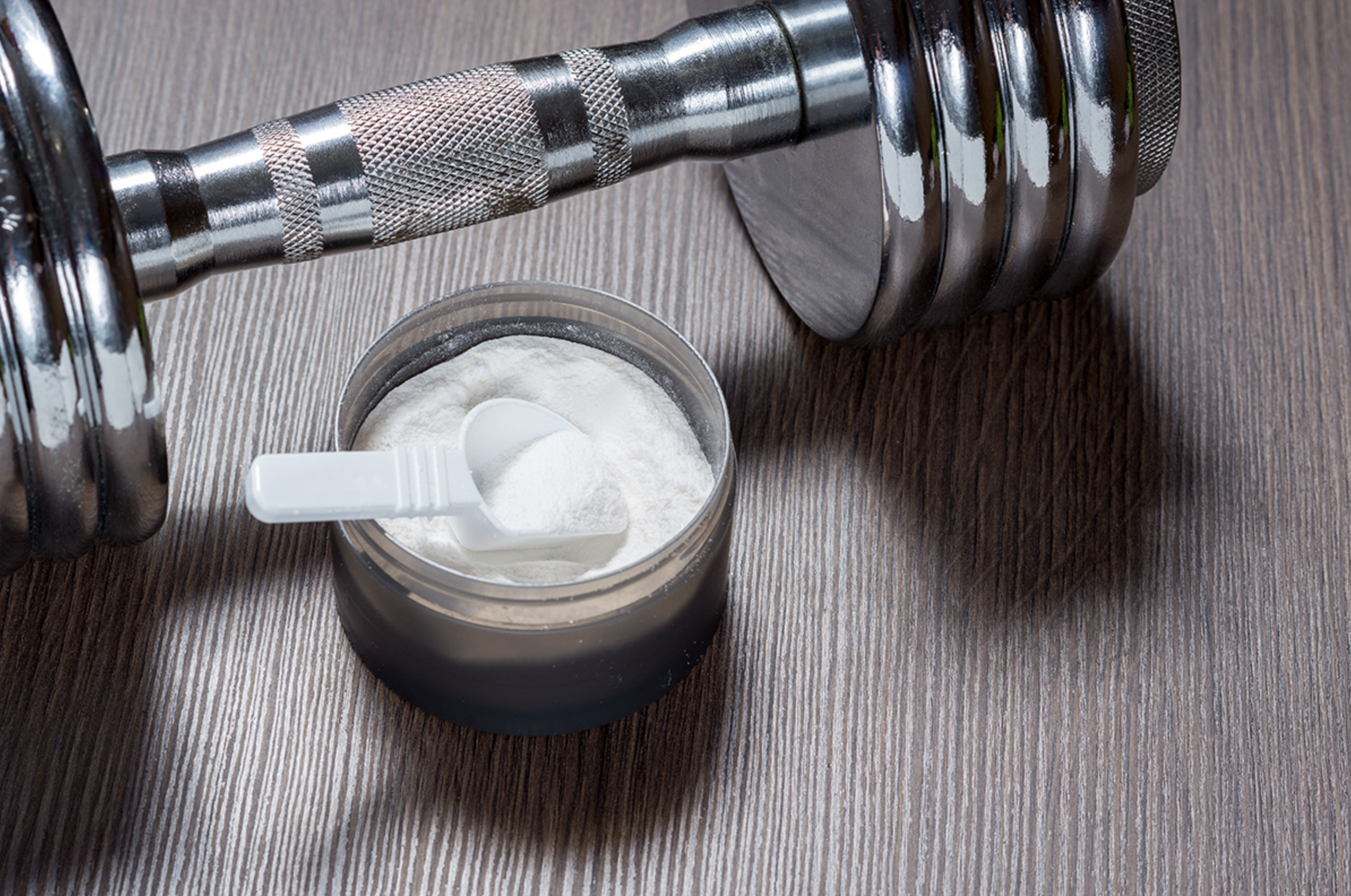
What are creatine and arginine?
Creatine and L-arginineare, respectively, an amino acid derivative and a conditionally essential amino acid. Both play a very important role in certain physiological processes and functions. The human body can synthesise creatine on its own and, at certain stages of life, L-arginine as well. In the form of dietary supplements, creatine and arginine are used by athletes, particularly those involved in physical activities where developing strength and power is essential.
Let’s take a closer look at the main properties of these substances:
- Creatine is a substance produced by the human body from the amino acids glycine, methionine and arginine. As well as being synthesised by the liver, pancreas and kidneys, creatine can be obtained through diet. Around 95 per cent of the body’s creatine reserves are stored in the muscles; indeed, by binding to a phosphate group, creatine generates ATP (adenosine triphosphate), the molecule that serves as the main source of energy for the muscles. Creatine is one of the most widely used, most extensively studied and most effective dietary supplements in the field of sport: creatine supplementation helps to increase strength, power and muscle mass. Creatine contributes to the production of energy used primarily during activities and training sessions involving intense, short, and repeated exercises. Creatine increases the duration and efficiency of athletic performance, which translates into improved results.
- L-arginine is an essential or conditionally essential amino acid (amino acids that the body cannot synthesise on its own under certain pathophysiological conditions or at certain stages of life); arginine plays several important roles in the proper functioning and well-being of the body. The amino acid L-arginine is a precursor ofnitric oxide, a molecule that regulates vasodilation and blood supply to cells; it strengthens and stimulates the immune system; it contributes to and promotes protein synthesis, that is, the process of building new proteins; it has an antioxidant effect and protects tissues from oxidative stress; is one of the precursors of creatine, which, as we have seen, plays a fundamental role in energy production for the muscles.
What are the benefits of taking creatine and arginine together?
For athletes, taking two dietary supplements such as arginine and creatine together can help achieve remarkable results in terms of physical performance. As well as being a precursor to creatine, arginine stimulates the release of nitric oxide, thereby promoting improved blood flow to the muscles. Creatine, for its part, supplies energy to the muscles and increases their strength and power, thereby promoting muscle hypertrophy. The combined intake and action of these substances can improve muscular endurance and help achieve maximum strength, thereby optimising training results and improving muscle recovery.
Increased strength and muscle mass
Taking creatine on its own helps to increase muscle strength and power, thereby promoting better performance and, consequently, better results, particularly muscle growth. With this in mind, taking it in combination with arginine can further stimulate muscle growth, thanks to an increased supply of oxygen and nutrients facilitated by arginine supplementation, which acts as a precursor to nitric oxide.
Improved endurance and performance
Taking creatine and arginine together can have very positive effects on endurance and overall performance.
Arginine stimulates the release of nitric oxide: this is a substance produced by the body which has a powerful vasodilatory effect, increasing blood flow – and therefore the supply of oxygen and nutrients – to the tissues. Nitric oxide can reduce the fatigue resulting from muscle tiredness and lead to an overall improvement in endurance and performance during physical exercise.
As many athletes and sportspeople know, creatine is a widely used supplement, particularly for its effects on increasing strength and endurance during physical activity. Increased strength, training volume and water retention in muscle cells lead to visible muscle growth after just a few weeks.
Support for cardiovascular health
Creatine and arginine are dietary supplements that can also have positive effects on cardiovascular health.
Thanks to its role as a precursor to nitric oxide, arginine can have a positive effect on blood circulation, which is beneficial for people suffering from coronary or vascular conditions, i.e. occlusive disorders that lead to reduced blood flow. Furthermore, L-arginine has a positive effect on blood pressure and vascular health.
As for creatine, whose positive effects on athletes are now well known, other health applications are currently being investigated, including its use as a dietary supplement to support the body in cases of cardiovascular conditions or in people considered to be at risk. On several occasions, a potential beneficial effect of creatine has been hypothesised and studied due to its protective properties at the vascular level.
Of course, it is important to remember that any use of these substances must be decided upon and carried out in consultation with your doctor or nutritionist.
How to take creatine and arginine together
The response to supplementation combined with training and diet must always be regarded as subjective. As we have seen, taking L-arginine and creatine can enhance the body’s response and resilience during physical activity, thereby improving performance in terms of both results and recovery. Below, we’ll look at the recommended dosages, when and how to take them, as well as any precautions to bear in mind.
Recommended dosage
The recommended daily dosages are as follows:
- Creatine: the recommended dose is 3 grams per day, which may be increased to up to 5 grams per day in certain cases;
- Arginine: 3 grams per day. The dose may be increased if the product is used for medical purposes, on the prescription of a cardiologist or a specialist andrologist.
Best time to take
The best times to take creatine and arginine are:
- L-arginine: 30 minutes before training and at any time on rest days;
- Creatine: 30 to 60 minutes before training or at any time of day on rest days, although many recommend taking it with breakfast or around one of your main meals to aid absorption.
Possible side effects and precautions
As with all substances, arginine and creatine should be taken in accordance with your doctor’s advice and taking into account your individual response and tolerance. The following are the most common side effects associated with taking these supplements:
- Side effects associated with taking L-arginine include: fatigue, sleep disturbances, abdominal pain, allergic reactions, headaches and intestinal problems.
- The most common side effects associated with taking creatine are: gastrointestinal disturbances, vomiting, diarrhoea and cramps.
In general, taking creatine and arginine is considered safe; however, you should always consult your doctor and maintain a healthy, balanced lifestyle, paying particular attention to your diet and physical exercise.