- Training
- 81258 views
What is creatine and what is it used for?
Creatine is an amino acid that the human body can synthesise itself from the amino acids arginine, glycine and methionine. This is why creatine can also be described as an amino acid. It is a substance well known to sportspeople and one of the most widely used supplements amongst athletes across various disciplines, particularly those involved in strength sports such as bodybuilding.
Creatine plays a very important role in the production of muscular energy and in the process of muscle growth itself. When creatine binds to a phosphorus atom, it is converted into phosphocreatine and promotes the synthesis of ATP (adenosine triphosphate), the main source of cellular energy.
The main beneficial effect of creatine stems from this increase in energy: the muscles are able to generate more force, particularly during intense, repetitive exercises such as weightlifting. By increasing the number of repetitions, power and endurance, creatine supplementation promotes an overall improvement in athletic performance and muscle growth.
How and when to take creatine
An adult’s normal creatine requirements are around 2 g per day and can be met through diet and endogenous synthesis. Where requirements are higher, as is the case for athletes, it is recommended to take at least 3 g per day, approximately thirty minutes before training.
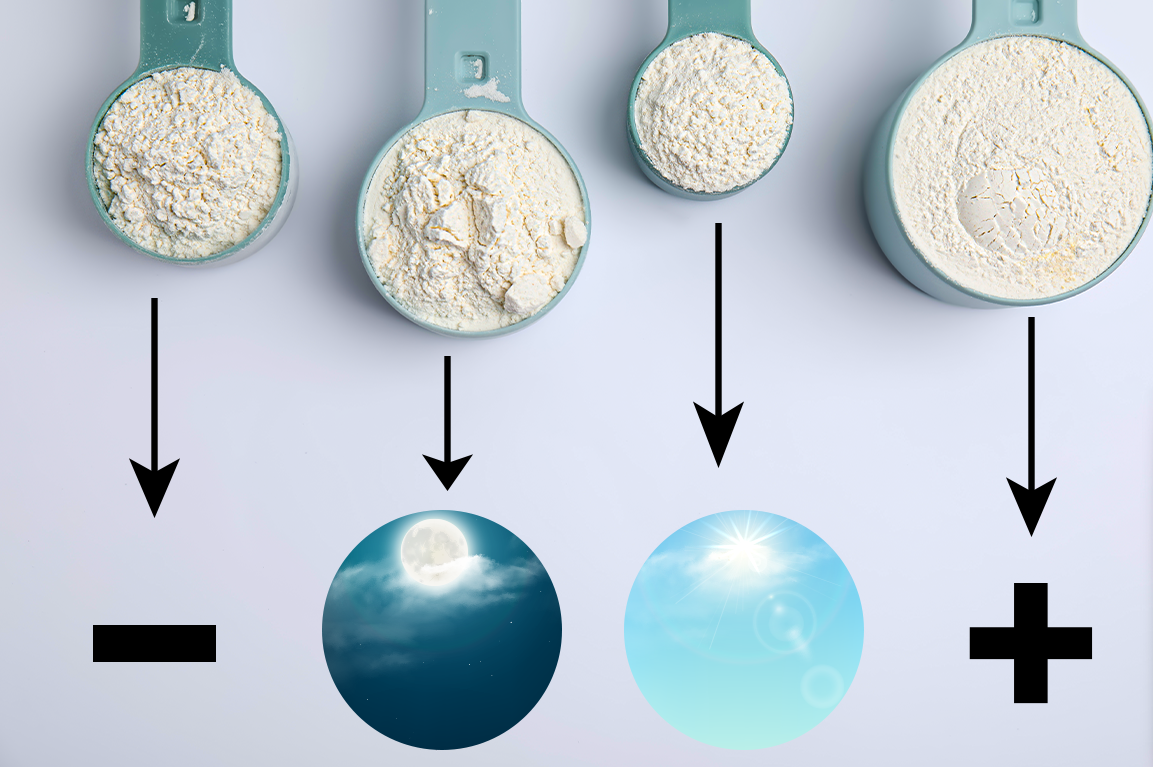
The effectiveness of creatine does not appear to depend on the time of day it is taken. Creatine can be taken before training or immediately afterwards, with main meals or first thing in the morning upon waking. For the sake of completeness, we would like to add that, according to some, it is preferable to take it at the same time every day throughout the supplementation period.
The stages of taking creatine
Taking creatine helps to increase creatine stores in the muscles: the extent of this increase depends largely on the individual’s initial condition and diet. A vegan athlete, for example, may experience greater increases following a course of creatine supplementation than those observed in athletes who have consumed red meat and other animal sources of creatine.
Firstly, it is worth noting that any athlete can take creatine supplements at dosesof between 3 and 5 grams per day, maintaining this intake for as many weeks or months as necessary, always in consultation with their doctor or nutritionist.
A second method involves dividing the creatine intake into two phases: the loading phase (or ‘bulking’ phase), during which the dose is quadrupled (15 to 20 grams of creatine per day) and divided into four daily doses for approximately 5 to 7 days. The second phase, known as the maintenance phase, involves taking the standard dose of 3 to 5 grams for a minimum of one month and a maximum of six weeks.
Every athlete should discuss with their coach and doctor whether they should take creatine and how.
Creatine: before or after training?
Creatine can be taken with meals, or about half an hour before training, or during the recovery phase at the end of the training session.
Should creatine be taken every day or only on training days?
Creatine should be taken every day, even on rest days. This ensures that your muscles are continuously supplied with energy.
Creatine powder, capsules or tablets?
Creatine monohydrate, in powder or tablet form, is the most common form of creatine on the market. Some products, such as Creatine Micro Pure Professional, contain creatine. In its micronised form, creatine has undergone a process to produce a concentrated raw material with a high degree of purity, factors which improve its absorption and bioavailability.
Let’s now look at the bestmicronised creatinemonohydratesupplements in the various formats available:
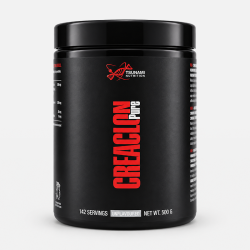
- Clonapure® - Creaclon Micro Pure Professional, a combination of creatine monohydrate, phosphocreatine and a phosphate group which, thanks to its structure containing the true active form of creatine – phosphocreatine – is uniquely capable of enhancing energy production even under extreme conditions.
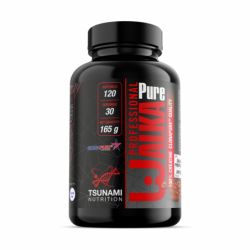
- Clonapure® - 3Alkapure Professional, the world’s first creatine produced in capsule form, guarantees 25 per cent higher ABSORPTION than powder; 40 per cent higher ABSORPTION than tablets; 40 per cent higher bioavailability.
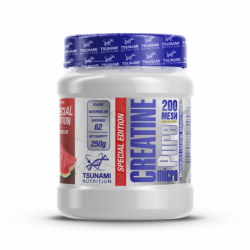
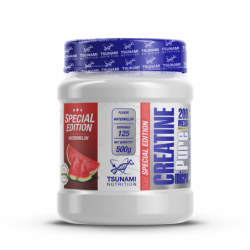
- 200 MESH micronised creatine monohydrate – Creatine Micro Pure Professional, one of the purest powders available on the market, guarantees, thanks to its fine particle size, better absorption and greater effectiveness than standard creatine monohydrate.
How much water should you drink when taking creatine?
It is recommended to take creatine with plenty of water, i.e. approximately 100 to 150 ml per gram. For 3 grams of creatine, the recommended daily dose, you will need approximately 300 to 450 ml of water.
More generally, given that under normal conditions it is recommended to drink 7 to 8 glasses of water a day, it is essential to hydrate the body more during periods when taking creatine: indeed, creatine causes water retention in the muscles, so it is recommended that you drink plenty of water.
How much creatine should you take each day?
According to the Ministry of Health’s guidelines, the maximum authorised daily dose for athletes is 4 to 6 grams per day. Generally, the recommended daily dose is 3 grams.
Creatine dosage
Taking creatine helps athletes improve their sporting performance by increasing their strength and muscle mass. The daily dose of creatine should be around 3 to 5 grams, always combined with a balanced and healthy diet, with a nutrient intake tailored to the individual’s needs.
How long should you take creatine for?
Although long-term use of creatine does not cause any significant side effects, it is recommended to take creatine in cycles of around 12 weeks.
Frequently Asked Questions
How long do the effects of creatine last?
Around one month to six weeks. Before starting a course of creatine supplementation, every athlete has a baseline level (which varies from person to person) that can be increased during supplementation until muscle stores are saturated. When creatine supplementation is stopped, the reverse process of returning creatine levels to baseline levels also takes 4 to 6 weeks.
Can I take creatine and protein together?
It is strongly recommended that you take creatine and protein, particularly whey protein, not only to increase strength and power, but also to ensure that your muscles receive the amino acids they need to promote the growth and maintenance of muscle mass, whilst improving recovery.
How long before a workout should I take creatine?
Creatine can be taken at any time of day. Taken half an hour before a workout, it can have an immediate energising effect on the muscles; taken at the end of a workout, it can help restore energy stores.