- Alimentation
- 5465 views

When you start adopting a healthy lifestyle based on regular physical activity, it is important to combine this with a suitable diet plan. Indeed, it is important to consume the right amount of macronutrients to compensate for the increased energy expenditure caused by exercise, whilst taking care not to overdo it to avoid the risk of putting on weight.
Many athletes (and non-athletes), in order to achieve the toned, lean physique of their dreams, incorporate supplements into their diet that can enhance anabolism – that is, the process by which muscles are built. The best known and most widely used are protein powderswhich, thanks to their formulation, are essential for those who take part in sport and wish to increase their muscle mass.
However, the question on the minds of those who take this supplement is almost always the same: do protein powders make you put on weight? In this article, we’ll help you understand what these supplements are, what types of protein are available, and whether they actually cause weight gain.
Protein powders: what are they and what are they used for?
Proteins are complex biological molecules (polymers) made up of sequences of monomers called amino acids(AA) and are composed of carbon, hydrogen, oxygen and nitrogen. They differ from one another in terms of:
- length (number of amino acids),
- function (the shape taken by the AA chain, the type of amino acids it is made up of, etc.),
- shape (final structure closely linked to the type of function to be performed).
Proteins play a variety of roles in our bodies. Indeed, they are essential for providing an adequate supply of amino acids, which fuel protein synthesis and, consequently, promotean increase in muscle massby stimulating hypertrophy. Furthermore, during the post-workout phase, when we need to rebuild muscle tissue and improve recovery in preparation for the next session, proteins are extremely important as they enable protein turnover, which breaks down proteins that are no longer functional to create new ones.
Protein can be obtained from bothanimal and plant-based foods. However, foods such as meat, fish, eggs and dairy products have a higher protein concentration and a better amino acid profile compared to plant-based sources such as pulses, nuts and cereals.
Normally, through diet alone and by combining animal and plant-based protein sources, it is possible to meet one’s protein requirements. But for those who take part in high-intensity, strenuous sports, diet alone is not enough. This is why it is useful to add protein powders to your diet, as they help promote muscle growth and improve recovery, thereby avoiding the need to consume large quantities of meat.
Types of protein powder
Hydrolysed protein powders
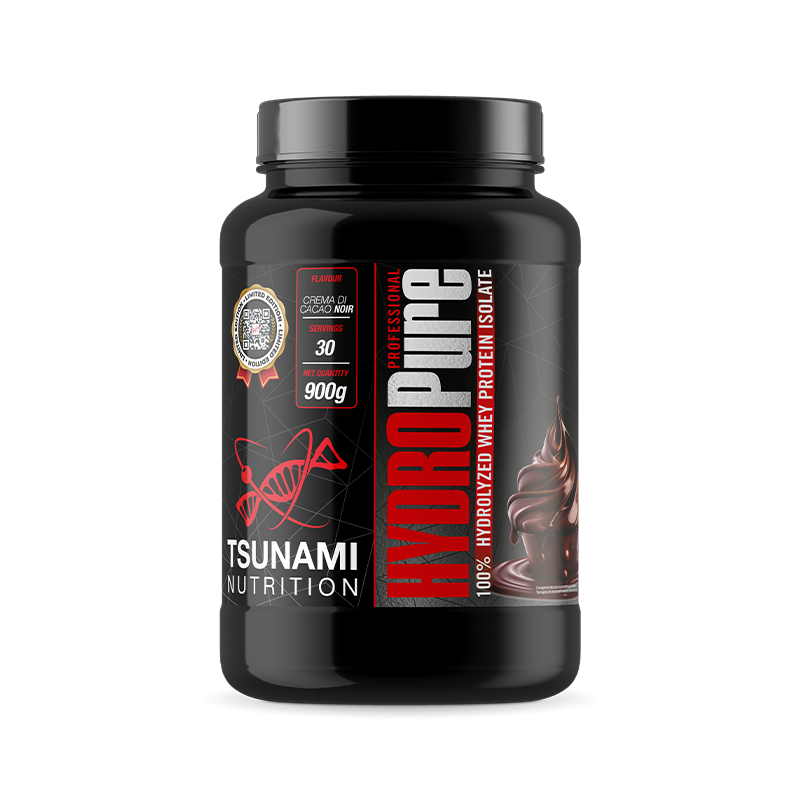
Hydrolysed protein powders are the most advanced – and the most expensive – form, as they undergo a process called hydrolysis, which, through enzymatic digestion, breaks the proteins down into smaller fractions (di-, tri- andoligopeptides) to improve their absorption and digestibility compared to ‘free-form’ amino acids.
Given their short digestion times, hydrolysed proteins are particularly useful post-workoutas they make the amino acids needed for recovery after physical activity available more quickly and, at the same time, promote muscle growth. Furthermore, when taken with adequate amounts of (fast-absorbing) carbohydrates and fluids, they improve glucose transport into the muscles, thereby promoting the replenishment of muscle glycogen.
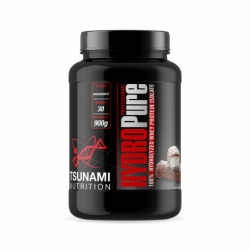
In this regard, Tsunami Nutrition recommends HYDRO Pure PROFESSIONAL, formulated with patented OPTIPEP® whey protein, supplied by Carbery® and certified as being of superior quality.
Protein isolate powders
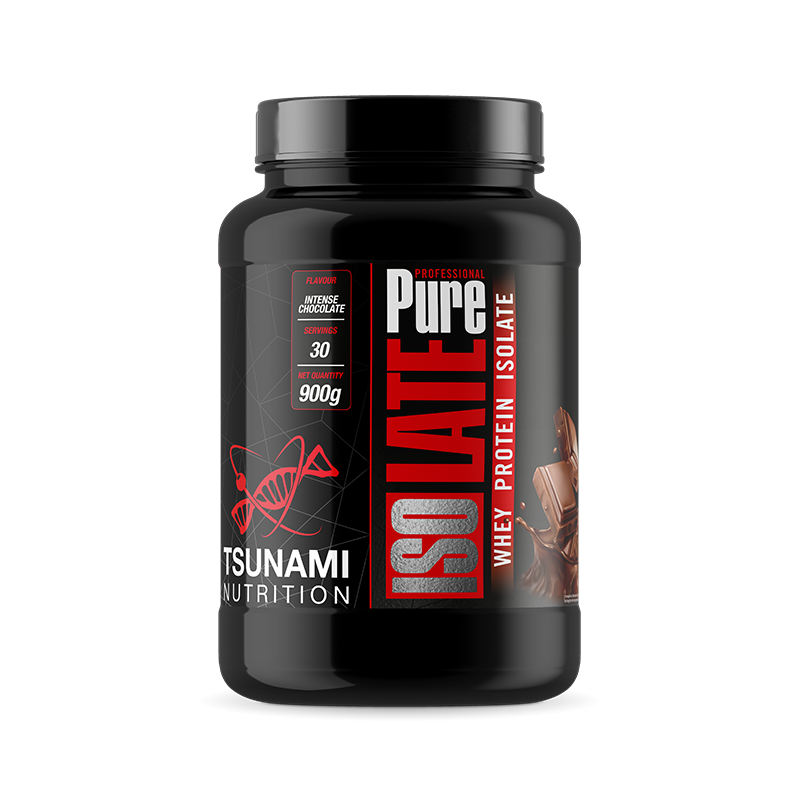
Protein isolate powders are produced using a more sophisticated and innovative process compared to traditional protein concentrates, resulting in whey that is extremely pure and virtually free from traces of fat, lactose and minerals, bringing the protein concentration to very high levels of up to 95 per cent. The process varies, and the protein can be isolated using microfiltration or ion exchange.
Whey protein isolates produced by microfiltration are obtained through low-temperature processes that manage to keep most of the beneficial protein fractions intact, whilst effectively separating the proteins from fats and lactose.
Whey proteins isolated by ion exchange, on the other hand, yield proteins with the highest protein concentration (>90 per cent), but the use of certain acids during processing results in the loss of important components such as lactoferrin, immunoglobulins and glycomacropeptides.
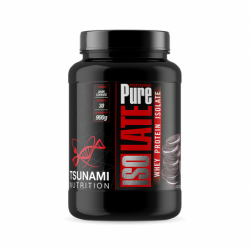
Using this technique, Tsunami Nutrition has createdISOLATE Pure PROFESSIONAL, a patented Isolac® milk protein isolate produced via the CFM® microfiltration process, which enhances its purity and integrity. They are available in a range of flavours for use as snacks or as part of a main meal, such as breakfast.
Concentrated protein powders
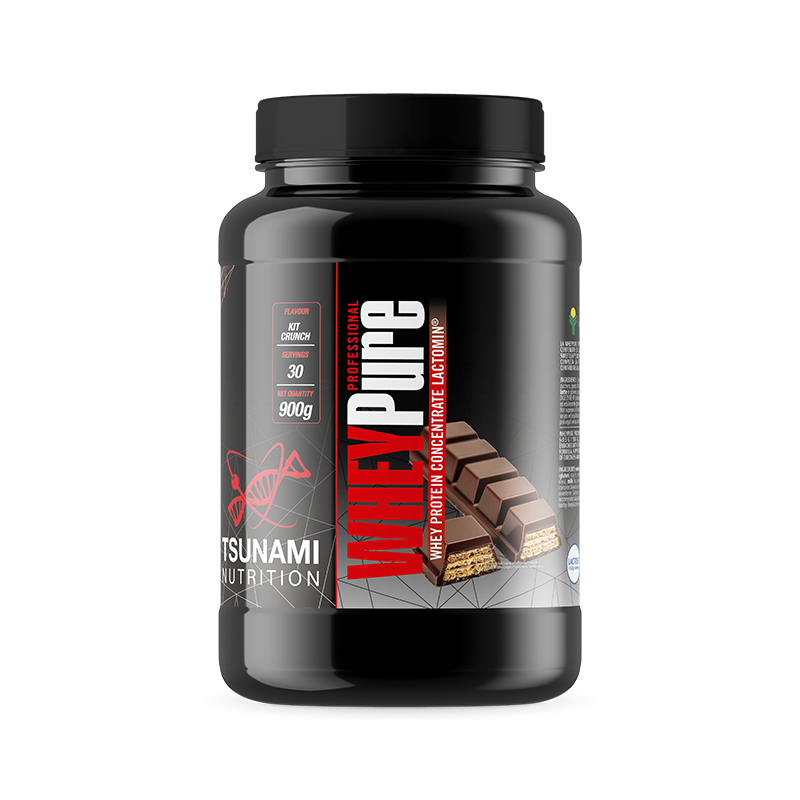
Protein concentrate powders have the lowest degree of purity, resulting in a protein concentration of around 80 per cent, with small amounts of lactose and fat and a higher content of minerals such as calcium and sodium.
Whey protein concentrates have a good content of branched-chain amino acids and a high biological value thanks to the essential amino acids they contain. These characteristics make them suitable when rapid digestion is not required, and therefore a practical substitute for a protein-rich food, for example as a snack or some time after a workout.
They undergo ultrafiltration, a process in which whey passes through a porous membrane to separate the protein molecules from fats and lactose, whilst still ensuring they are easily absorbed by the body.
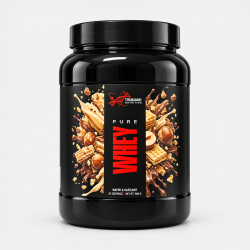
In this regard, Tsunami Nutrition has created WHEY Pure PROFESSIONAL, a LACTOMIN®-certified quality whey protein concentrate that can be consumed both post-workout and throughout the day with various meals, should you be unable to eat a solid meal.
Using protein powder in your diet and training
Many people who exercise wonder when to take protein powder during the day, and in particular whether it should be taken before or after a workout to stimulate hypertrophy and muscle mass growth. Let’s clarify this a little.
Firstly, as a general rule, protein powder can be consumed at any time of day, as it is the total amount consumed that matters most. In fact, it’s advisable to spread your daily protein intake evenly across all your meals, aiming for 20 to 40 g of protein per meal.
Now let’s get to the real question: is it better to have protein powder before or after a workout? As mentioned earlier, the timing matters less than the overall amount, but let’s still look at the benefits of taking protein before or after a workout:
- Protein powder before training: this helps maximise muscle protein synthesis and optimise performance. Taking it before a workoutis recommended, especially when exercising in the morning after an overnight fast, as your body then needs to absorb nutrients quickly.
- Protein powder after a workout: this helps improve body composition as it promotes an increase in muscle mass by building new muscle fibres. Furthermore, it aids recovery thanks to the presence of amino acids.
The relationship between protein and body weight
Protein requirements vary from person to person, as we all have different lifestyles and metabolisms. However, there are general guidelines to follow for protein intake, including protein powder, in order to maintain good general health and to increase muscle mass whilst preventing weight loss.
As part of the standard diet for someone who does not engage in physical activity, the ideal amount of protein to consume is 0.8 g/kg. This means that a person weighing 90 kg should consume at least 72 g of protein to maintain good health and a stable body weight.
However, for those who engage in intense sporting activity and have set themselves specific goals such as increasing muscle mass or achieving a more defined physique, the recommended protein intake is different.
Protein and weight gain
Protein powders do not cause weight gain if consumed correctly and in the right quantities. However, if this supplement is overused, it is normal for it to lead to weight gain, as it is, after all, a protein that contains calories, carbohydrates and fats.
However, for athletes, protein intake is essential for supporting muscle growth and recovery. Indeed, if protein intake is insufficient and combined with a low-calorie diet, the result is a reduction in muscle mass and poorer-quality training sessions.
This is why it is important to consume the right amount of protein, which ranges from 1.6 g/kg to 2.4 g/kg depending on individual needs. However, meeting this protein requirement through food alone is an extremely difficult task, not only because of the huge amount of food that needs to be eaten, but also because of the limited time available for meals.
For this reason, protein powders are a valuable aid in reaching the ideal protein intake, even when time is short and you’re not particularly hungry.
Frequently Asked Questions
When does protein turn into fat?
When we consume more protein than our daily metabolic needs require, the excess amino acids are indeed converted into fatty acids which, once stored, form body fat!
However, if you follow a balanced diet with the right amount of protein – whether from food or protein powder – and engage in regular physical activity, protein does not cause an increase in body fat, but only in lean muscle mass.
Which proteins cause weight gain?
There are no protein-containing foods that, on their own, cause weight gain or loss. This also applies to protein powders, as it all depends on the number of calories consumed in your diet and how you utilise those foods.
This means that if your protein intake exceeds your body’s metabolic needs, the excess protein will be converted into fat, leading to weight gain.
What happens if you consume too much protein?
Consuming protein powder in quantities greater than those recommended is a habit that can have certain side effects.
The side effects of protein powder vary and often depend on the amount consumed, which is why it is always best to consult a doctor or nutritionist before taking it.
Among the side effects, often caused by incorrect or excessive consumption, are the possibility of abdominal pain and cramps due to an imbalance in the gut,the development of kidney stones because the body cannot eliminate the large amount of protein present, and finally, an increased risk of heart attack.