- Alimentation
- 6798 views

Peanut butter is a food particularly well known for its use in preparing dishes and snacks typical of the United States. In recent years, however, the use of this peanut-based product has become increasingly widespread due to its nutritional properties and the enormous health benefits it offers.
Indeed, when consumed sensibly and in moderation, peanut butter – the name by which it is known worldwide – is an excellent food with a complete nutritional profile and a high protein content, which can be used to enhance the flavour of your recipes.
In this article, we’ll show you the properties and benefits of peanut butter as part of a healthy diet!
What is peanut butter?
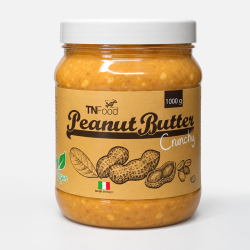
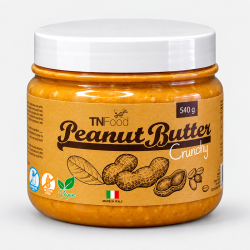
Peanut butter is a delicious spread typical of American culture, used for breakfast, as a snack or as an ingredient to enhance the flavour of sweet or savoury recipes. It comes in two varieties: ‘Smooth’, with a creamy consistency, and ‘Crunchy’, with ultra-crunchy pieces of roasted peanuts.
This spread is made from peanuts that are shelled, washed and then roasted at a high temperature before being ground into a thick, oily paste. It is an excellent food to include in both low-calorie andhigh-calorie diets due to its comprehensive nutritional value.
This creamy and flavourful peanut-based spread first appeared on American family dining tables thanks to the intuition of a 19th-century pharmacist who, whilst testing this preparation, particularly appreciated its rich, savoury flavour combined with the high energy and protein content that eating peanuts provides for our bodies.
Nutritional properties of peanut butter
Peanut butter is a food which, as we mentioned earlier, possesses incredible nutritional properties that benefit our body’s wellbeing.
Indeed, the recipe for this spread made from roasted and ground peanuts is rich in vegetable fats, particularly monounsaturated and polyunsaturated fatty acids, namely Omega-3 and Omega-6, known as ‘good fats’ or HDL fats, and is cholesterol-free.
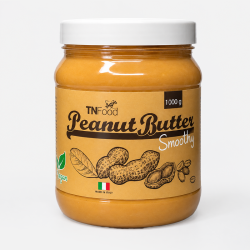
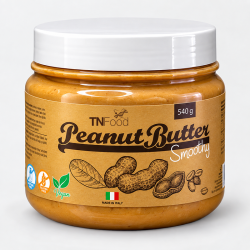
Peanut butter provides a large amount of plant-based protein, due to the composition of the raw ingredient, as well as a significant amount of fibre, vitamins and minerals such as magnesium, zinc and copper. Let’s look, for example, at the nutritional values for 100 grams of plain peanut butter from the TN Food range, specifically Smoothy Peanut Butter:
- Energy: 2752 kJ – 622 kcal
- Fat: 50 g – of which saturated fatty acids: 7.1 g
- Carbohydrates: 8.5 g – of which sugars: 3.1 g
- Protein: 29 g
- Fibre: 3.6 g
- Salt: 0.015 g
This peanut butter is particularly suitable both for those looking to lose weight, as a source of fat, and for athletes who, on the contrary, want to increase their muscle mass, as it is rich in protein and provides an ideal source of energy during periods of stress and fatigue. However, please bear in mind that peanut butter is a food that should be consumed in moderation due to its high calorie content.
Health benefits of peanut butter
We have discussed above what peanut butter is and its nutritional values; now we will focus on the benefits that consuming this spread brings to our health and well-being.
Let’s look at them in detail:
Aids weight loss
Peanut butter aids weight loss by promoting a feeling of fullness thanks to its high protein and fat content. This helps to curb appetite, thereby helping to maintain a healthy weight and reduce the risk of obesity.
Of course, to help curb your appetite, it’s important to consume an appropriate daily amount. One spoonful a day, as part of a varied and balanced diet, is perfectly fine.
Reduces the risk of cardiovascular disease
Peanuts, from which peanut butter is made, can reduce the risk of cardiovascular disease. Indeed, eating a certain amount of peanuts throughout the day supports cardiovascular health.
This is due to the presence of resveratrol, a substance capable of reducing inflammation and improving the health of blood vessels, thereby enhancing blood circulation and lowering blood pressure. Furthermore, it reduces the oxidation of LDL (bad cholesterol), which contributes to the development of atherosclerosis (hardening of the arteries) and coronary heart disease.
Regulates blood glucose levels
A study has shown how adding peanut butter to a high-glycaemic-index breakfast can reduce spikes in blood glucose levels. The study confirmed that peanut butter, when eaten as part of breakfast, can help prevent sudden rises in blood glucose levels after a meal.
In itself, peanut butter – provided it is of high quality, as is the case with TN Food’s peanut butters – contains low amounts of carbohydrates, is a good source of protein and essential fats, contains no added sugars and also has a low glycaemic index. All these factors are important for managing blood glucose levels.
Furthermore, research has confirmed that peanut butter, which is rich in magnesium, can be an essential nutrient for people with diabetes.
Antioxidant properties
Peanut butter is an excellent source of many essential antioxidants such as magnesium, vitamin B, vitamin E and resveratrol. These nutrients have been shown to prevent and repair cellular damage.
Supports muscle growth
When taking part in sports that place high demands on strength and power, it is essential to have all the necessary macronutrients available to achieve the best possible performance, especially if you are aiming to build muscle mass.
For this reason, consuming peanut butter – with its unique and complete nutritional profile, rich in protein and healthy fats – can help not only with healthy weight loss but also with increasing muscle mass.
It contains magnesium, which is a key nutrient for endurance, strength and muscle building. Just consider that a single portion of peanut butter – that is, two spoonfuls – contains 16 per cent of your daily magnesium requirement.
Improves memory
Finally, peanut butter has positive effects on cognitive function and stress levels, as it helpsimprove memory,boost mood and even reduce anxiety.
How to eat peanut butter
Enjoy creamy, tasty peanut butter for breakfast or as a snack, for example by spreading it on bread or using it in a delicious homemade cake recipe.
The editorial team at Tsunami Nutrition has put together some tasty and healthy alternatives for enjoying this fantastic peanut butter with a range of different products:
- Warm, fluffy pancakes, like those you can make quickly and easily with the Protein Pancake mix, TN Food’s high-fibre, low-sugar protein pancake mix.
- Delicious FIT desserts such as cakes or muffins made with Flavoured Oat Flour, a versatile ingredient with an excellent nutritional profile for creating a wide range of tasty recipes.
- To top Tsunami Nutrition protein bars: HYDRO Pure BARfor an extraordinary taste without straying from your diet.
- Spread it on bread, either on its own or with all sorts of jams.
- As a topping on ice cream to give it an even more indulgent touch.
- In porridge to enrich it with a creamy, unique flavour.
- In yoghurt for a snack that’s both healthy and sweet.
- On fresh fruit for an energising and healthy snack that’s incredibly indulgent.
If you’re looking for high-quality products, you simply must have our TN FOOD peanut butters in your cupboard !
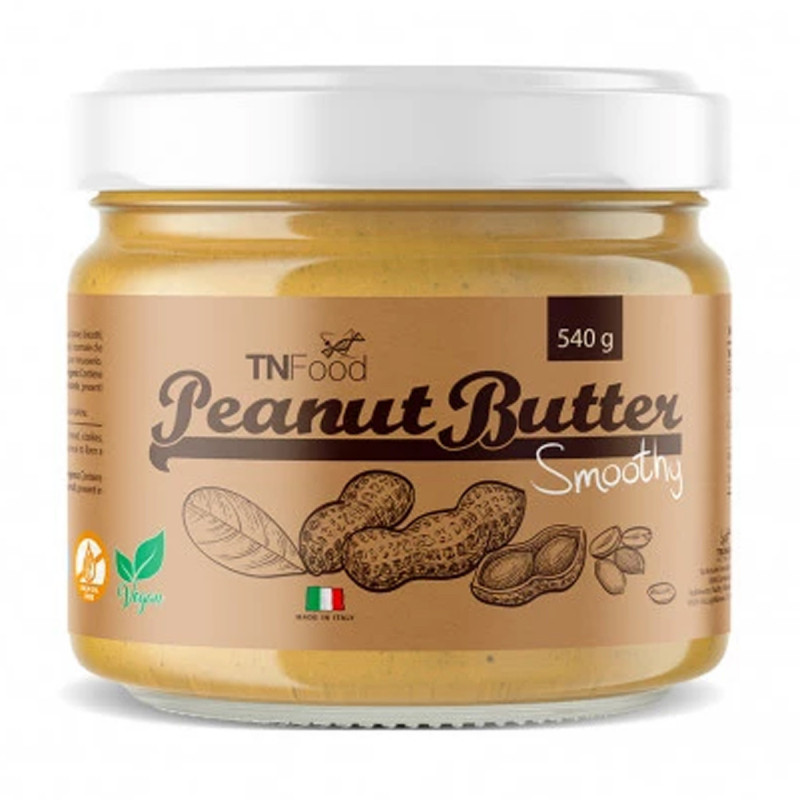
As well as the Smoothy and Crunchy varieties, you can try peanut butter enriched with other quality ingredients to add a unique, indulgent touch to your breakfasts or snacks whilst on a diet. We recommend trying TN Food Peanut Butter in the following varieties:
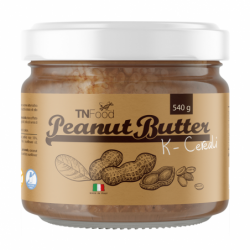
- K-Cereali, where the taste of 100% Made in Italy natural peanut butter meets the unique, crunchy flavour of milk chocolate and puffed rice, giving it a sweet and extremely crunchy touch.
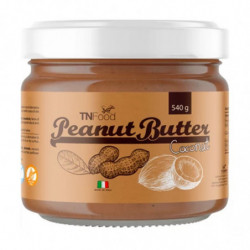
- Coconut, an exquisite sweet-tasting peanut butter enriched with coconut and almond pralines to treat you to some lovely moments during your breaks.
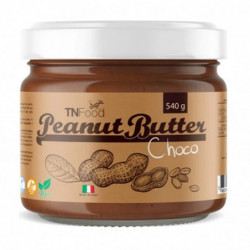
- Choco, a creamy, indulgent 100% Italian peanut butter combined with chocolate, perfect for pairing with your healthy recipes.
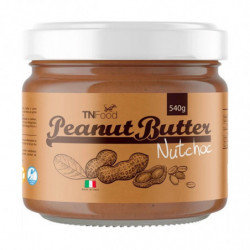
- Nutchoc, an exquisite peanut butter in an extraordinary version, enriched with the indulgence of wafer and chocolate, giving it a sweet yet crunchy touch!
How much peanut butter should you eat?
The recommended daily intake is 30 grams per day – the equivalent of 2 tablespoons – to be eaten alongside another food and not simply as a treat at the end of a meal.
Although peanut butter is highly recommended as part of both low-calorie and high-calorie diets, as well as for athletes seeking a protein-rich, high-energy food, it should be eaten in moderation, as it is a spread that is high in calories and fat.
Is peanut butter bad for your health?
As with everything, peanut butter can have negative effects on health if the recommended daily intake is not adhered to. Indeed, if consumed in excessive quantities and as part of an unbalanced and unhealthy diet, it can lead to weight gain and health problems due to its high-calorie and high-fat content.
The key to reaping its benefits lies in choosing a product made solely from peanuts, whilst avoiding the products commonly found in supermarkets, which always contain added salt, sugar, flavourings and emulsifiers, and which often contain trans fats and hydrogenated oils. That’s why it’s advisable to buy products such as TN Food’s peanut butters!