- Alimentation
- 2631 views
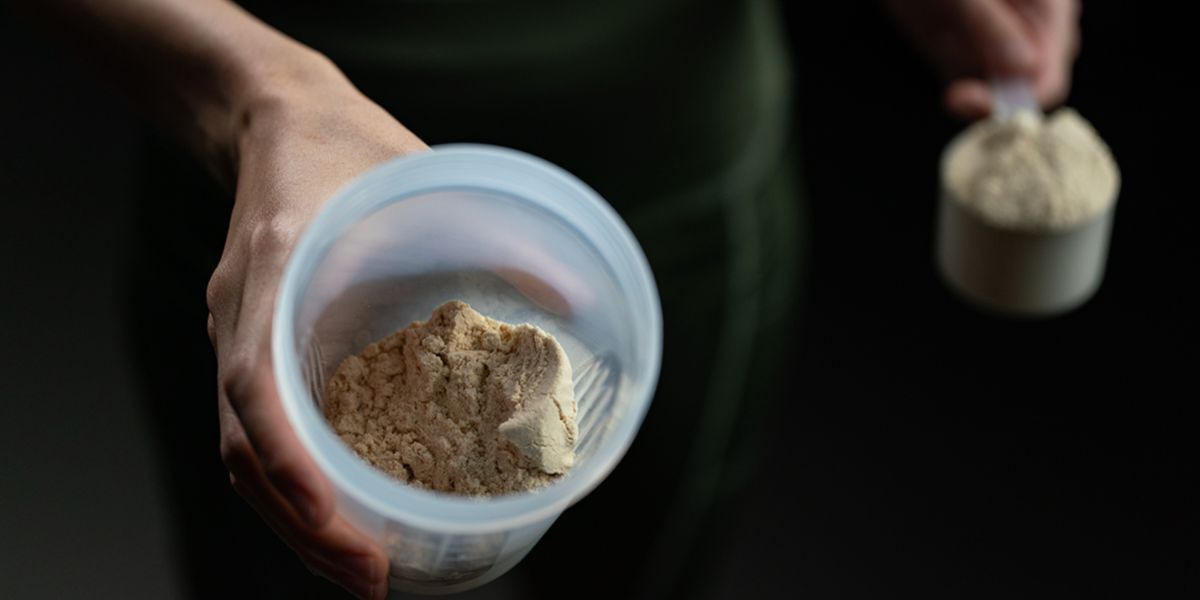
Protein powders are the most widely used supplement, both in the world of sport and amongst those who need to ensure an adequate daily protein intake. Indeed, they help promote muscle growth by rebuilding muscle tissue and, at the same time, thanks to their amino acid content, they aid post-workout muscle recovery.
Furthermore, they offer a quick and easy solution for those who need to meet their daily protein intake but have little time to prepare protein-rich meals or who have to eat on the go.
Protein powders are categorised according to their purity and rate of absorption. There are three different types of protein powder: protein isolates, protein concentrates and hydrolysed proteins.
In this article, the team at Tsunami Nutrition will discuss protein isolates in detail, looking specifically at what they are, what they’re used for and the process by which they’re manufactured.
What are protein isolates?
Protein isolates are a type of protein characterised by a high percentage of pure protein; they can be derived from both plant and animal sources.
Whilst plant-based sources include foods such as soya and peas, animal-based sources include meat proteins and, most commonly used by both athletes and non-athletes, whey protein.
Whey protein isolates are the purest form, as they have a very high protein content (90–95 per cent). This is because they are obtained from milk using a more sophisticated and innovative process, designed to separate the proteins as thoroughly as possible from other components such as fats, minerals and lactose. These protein powders can be isolated using microfiltration or cross-flow filtration.
The first method preserves all the main protein fractions and the amino acid profile whilst maintaining a lower sodium content, which reduces water retention. This is undoubtedly the best process, as it yields a composition containing 90 per cent protein whilst offering faster absorption.
In contrast, cross-flow filtration yields a higher amino acid content (over 90 per cent) but unfortunately causes denaturation, resulting in the loss of certain protein components and significant protein fractions due to the high temperatures involved.
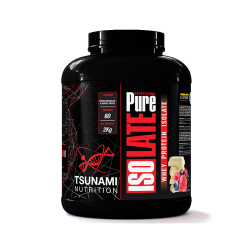
One of the best protein isolates on the market is undoubtedlyIsolate Pure Professional, a supplement based on patented Isolac CFM® protein isolate powder, manufactured using the best production method,cross-flow ultra-microfiltration, which combines a high protein intake with ultra-rapid absorption to promote muscle mass growth whilst ensuring superb muscle recovery, thanks to its exceptional amino acid profile.
What are protein isolates used for?
Consuming protein isolates provides the muscles – and, more generally, the body – with the amino acids needed to properly support protein synthesis, thereby preventing catabolism. It is ideal for those who engage in intense physical activity, as it makes a significant contribution toincreasing muscle mass.
Furthermore, these proteins are extremely useful for those seeking effective support to ensure they consume the correct daily amount of protein throughout the day. They can also be used as part of a weight-loss diet, either as a meal or a snack.
Protein isolates, as already mentioned, are the best on the market thanks to their high protein content, which can reach up to 90 per cent. This is due to the method by which these whey proteins are processed and treated.
Furthermore, protein isolate powders are virtually free from lactose and cholesterol (although not 100 per cent free), as these are removed during production. This makes them ideal for people with lactose intolerance and very easy to digest for those with a sensitive stomach or digestive system.
Are milk protein isolates bad for your health?
As we have explained at length previously, protein isolates provide a range of unique benefits and properties for our bodies, such as increased muscle mass, post-workout recovery and many others...
However, many people wonder whether consuming these powdered supplements could be harmful to health, as popular beliefs fuel false myths about them.
That said, it is true that milk protein isolates, if not consumed in the right quantities and with the necessary precautions, can cause side effects and have contraindications. Let’s look at this in more detail.
Possible side effects and contraindications
Taking milk protein isolate powder may lead to potential side effects and contraindications. Indeed, excessive protein intake can cause gastrointestinal problems such as nausea, abdominal pain, bloating, cramps and diarrhoea.
Furthermore, it is important to bear in mind that inappropriate use of protein over the years can place a strain on liver and kidney function, or alter certain metabolic parameters.
Lactose intolerance and milk protein isolates
Whey protein isolates are also ideal for people with lactose intolerance as they contain only very low levels of lactose. This is made possible by the high-quality production process used to manufacture these supplements.
Lactose intolerance is a very common condition that prevents the body from properly breaking down and digesting this type of sugar found in milk. This leads to most of the typical digestive problems, such as nausea, abdominal pain and bloating.
The best option for those with lactose intolerance is therefore to take protein isolates, as these are produced using a cross-flow microfiltration process that separates the proteins from fats, cholesterol and lactose, thereby yielding an almost completely pure protein.
Frequently Asked Questions
How often and in what quantities should protein isolates be taken?
Whey protein isolate is a supplement that can be taken at any time of day as a snack or even, if you’re in a hurry and don’t have enough time to eat, as a meal.
However, it is advisable to take protein powder at certain times, for example:
- Pre-workout: ideal for those facing a tough workout but who have been fasting for too long and need a fast-absorbing snack to take in the right amount of protein and amino acids to support their workout.
- Post-workout: taking protein isolate powder after an intense workout stimulates protein synthesis to increase muscle mass and, at the same time, promotes muscle recovery.
Furthermore, the amount of protein to be consumed daily cannot be determined in advance, as everyone has different protein requirements. However, generally speaking, the recommended dose for protein powder is 25 g per meal, which can be increased to 40 g if you need to boost protein synthesis.
Is it possible to replace meals with protein isolates?
Using protein isolates as a meal replacement is useful for those on a weight-loss diet or for those with a hectic lifestyle who have little time to eat.
Replacing meals – such as lunch or dinner – with a shakerof protein isolate is particularly recommended for those who lead an extremely active lifestyle and wish to reduce body fat whilst promoting the development of lean muscle mass.
Is protein isolate suitable for people with food allergies?
Taking protein isolate is ideal for athletes or people who need a protein powder supplement but who, unfortunately, suffer from food intolerances.
Indeed, protein isolates are naturally gluten-free, with the exception of certain flavoured varieties that contain gluten, and they can also be consumed by people with lactose intolerance due to their very low lactose content, which is a result of the manufacturing process.