- Alimentation
- 3113 views

Are eggs mainly protein or carbohydrates?
Eggs are a highly versatile and nutrient-rich food. They are mainly composed of protein – around 6 to 7 grams per egg – whilst the carbohydrate content is virtually negligible, at less than 1 gram for the same amount .
This makes eggs a recommended food for supporting protein intake throughout the day without overconsumption of sugars or carbohydrates. They can be enjoyed for breakfast to start the day with the right energy, or as a snack.
Furthermore, the protein in eggs is of excellent quality; it contains essential amino acids that our bodies cannot produce themselves. The yolk provides healthy fats, as well as vitamins A, D and B12.
Why is there confusion?
The confusion surrounding the nutrients in eggs stems from nutrition-related myths, and from the fact that eggs contain both protein and fat, as well as a small amount of carbohydrates.
Some people automatically associate eggs with carbohydrates because they are often found in foods eaten alongside eggs, such as bread, cereals or pastries, thus creating a misconception about the true source of sugars. First and foremost,the carbohydrate content of eggs is minimal, whilst protein and fat are the main nutrients.
Certain assumptions regarding the cholesterol in the yolk have further complicated the issue, leading people to view eggs as foods to be ‘limited’ rather than as an excellent source of protein.
What is the detailed macronutrient composition of an egg?
An egg consists mainly of protein and fat, whilst carbohydrates are virtually absent. It provides high-quality energy, contributes to muscle growth and metabolic function, and is low in sugars and carbohydrates.
There are various nutritional tables for eggs. Here are the nutrient values for a large egg (approximately 60 g):
Analysis of the carbohydrate content of eggs
A 60-gram egg contains approximately 70 kcal, 80 per cent of which is found in the egg white. The egg white and the yolk are different parts of the egg and therefore have distinct nutritional properties.
- The white: consists of proteins, vitamins and minerals, and is virtually free of fat and therefore cholesterol.
- The yolk: is a concentrated source of protein, fat, minerals and vitamins. The fats are of animal origin and are therefore beneficial to the body.
The carbohydrate content of an egg is minimal: less than 1 gram of carbohydrates. Such a small amount over the course of a day can safely be ignored.
Indeed, eggs are very popular in low-carb or ketogenic diets. This helps minimise carbohydrate intake without having to give up balanced meals.
How many grams of carbohydrates are there in a hen’s egg?
The carbohydrate content of an egg is truly minimal; when comparing the data with figures from other tables, we know that there is only a tiny trace of fat. An egg contains less than 1 gram of carbohydrates, a figure so low that it can be disregarded in the final daily calorie calculation.
This means it does not significantly affect blood sugar levels. The small amount of sugar present in an egg comes from natural traces.
Do eggs contain sugars?
The sugars found inside an egg come from natural traces and have no significant impact on energy intake.
Implications for low-carbohydrate diets
From the 1990s onwards, the‘low-carb’ diet gained popularity: by cutting out carbohydrates, people thought they could shed excess weight. There is no single, definitive definition of low-carbohydrate diets, but they all involve a diet that provides fewer than 100 g of carbohydrates per day. Examples include the Zone diet, ketogenic diets, the paleo diet, and many others.
To compensate for the reduction in carbohydrates, protein and fat intake is increased.
In the short term, you may experience:
- Rapid weight loss;
- Increased feeling of fullness;
- Improved blood sugar control;
- Anti-inflammatory effects.
However, regular check-ups are necessary to ensure the diet does not cause any adverse effects; indeed, it is not suitable for long-term use.
Egg proteins: quality and quantity
Egg proteinsare of very high quality and are considered to be among the best because they contain all the essential amino acids our bodies need. They have a high protein content, which ensures greater satiety compared to plant-based protein sources, and also provide an alternative to whey protein and proteins derived from meat or fish.
Despite this, some people remain unsure about eating them due to outdated beliefs about cholesterol, even though they are a complete and convenient source of protein.
Biological value of egg protein
Biological value indicates how effective a protein is at providing the amino acids the body needs. Egg proteins are considered the gold standard for this characteristic, as well as being highly digestible.
Indeed, they have a complete amino acid profile in the right proportions. This means that the body has sufficient nutrients to repair tissues, particularly muscles.
The difference between egg white and egg yolk proteins
The proteins in egg whites and yolks differ because they serve different purposes. The white is a source of lean protein, whilst the yolk complements the egg’s nutritional profile. In summary:
- The white: consists of water and protein with trace amounts of fat and calories. It is used by those who wish to increase their protein intake whilst keeping their calorie intake low. It is highly digestible and is chosen to aid muscle recovery.
- The yolk: contains a smaller amount of protein but is richer in healthy fats, essential vitamins and minerals.
Eggs and other foods: common combinations
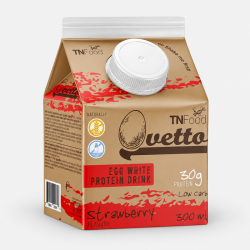
If you do not wish to eat eggs as your main source of protein every day, you can firstly obtain these nutrients through supplementation with Tsunami Nutrition’s premium protein products, or alternatively consume various other high-protein foods.
Foods that contain as much or more protein than eggs include:
- Tuna: an excellent source of omega-3 fatty acids
- Peanuts: provide both protein and carbohydrates
- Turkey: contains the amino acid tryptophan, which helps maintain a stable mood
- Greek yoghurt: excellent for muscle recovery, packed with protein
- Pumpkin seeds: known to be rich in magnesium.
How to balance macronutrients in meals with eggs
Eggs are ideal for those who need to follow a controlled diet. They boost your intake of high-quality protein and healthy fats, whilst being very low in carbohydrates.
When it comes to losing weight, the most important thing is to choose the right foods! Among the foods that are often rediscovered when starting the battle against excess weight are eggs, which are all too often wrongly overlooked due to their cholesterol content.
The reality is that, thanks to their rich nutrient content and their ability to increase feelings of fullness, eggs are a valuable ally to include in a balanced diet. Hard-boiled eggs, for example, make a tasty addition to a hearty salad, not to mention frittatas and omelettes; for those with a bit of imagination, there’s a whole world of recipes to explore, right down to desserts.
Frequently asked questions
Does the egg yolk contain carbohydrates?
The yolk contains less than one gram of carbohydrates, approximately 0.3 to 0.4 g.
Are eggs suitable for a low-carbohydrate diet?
Yes, they are perfectly suitable as they contain less than 1 gram of carbohydrates per egg.
Such a small amount is considered negligible, and they are often included in low-carb and ketogenic diets, where they provide a significant source of high-quality protein and fatty acids, whilst avoiding carbohydrates and sugars.
Does eating only egg whites eliminate fat and carbohydrates?
Eating only egg whites almost completely eliminates fat and reduces carbohydrates, but does not eliminate them entirely.
Eggs are a simple and often misunderstood food; from a nutritional point of view, they are an excellent source of high-quality protein.
At Tsunami Nutrition, we have created various low-carbohydrate formulations using egg protein. The important thing is always to follow a varied and mindful diet, bearing in mind that it is not the eggs themselves that make the difference, but the foods you pair them with.