- Alimentation
- 3310 views
How long does it take for caffeine to take effect?
The way caffeine is consumed can result in it taking effect at different times, depending on an individual’s metabolic response. It is absorbed, metabolised and processed by the liver: rapid absorption occurs in around 30 to 45 minutes.
It is always essentialto take into account a person’sage, lifestyle and genetic predisposition in order to effectively monitor their metabolic response and the time it takes for the effects to be felt.
How long does caffeine remain in the blood?
Caffeine is a psychoactive substance: it influences brain activity, alters mood and temporarily affects mental state. It is valued for its stimulating and invigorating effects on the central nervous system, and its effects can last for up to 5 hours.
It is advisable to consume no more than 3 to 5 small cups of coffee a day; otherwise, it is highly likely that the body will require higher doses to achieve the same effect over time.
The actual duration may vary depending on various genetic factors and lifestyle habits, which, in some people, may cause the effects to last longer than in others.
The half-life of caffeine explained
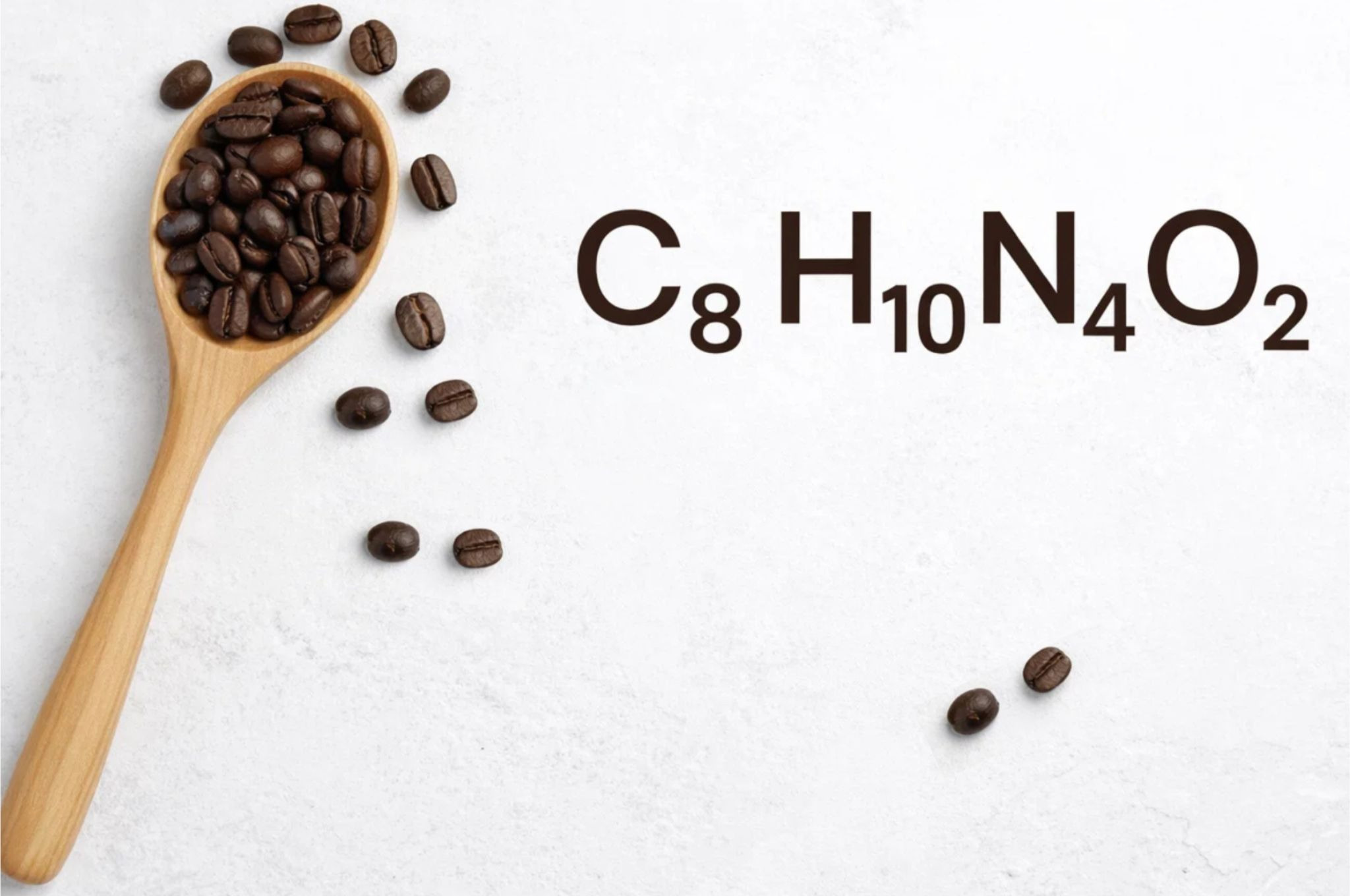
The chemical structure of caffeine enables the substance to cross the blood-brain barrier, reaching the brain and delivering its benefits for concentration and attention in around 30 minutes.
Depending on the activities undertaken, the body’s physiological response to absorption may vary by a few hours either way. In addition to the amount consumed, there are variables linked to weight and lifestyle.
Factors influencing metabolism
The main factors relating to caffeine consumption that influence metabolism may include:
- A temporary increase in energy expenditure
- Burning more calories by utilising fat as an energy source
- Improved insulin sensitivity.
To avoid any adverse effects, it is essential to monitor when you consume caffeine and to consume it in moderation, up to a maximum of 2 to 3 cups.
Effects on blood pressure and sleep
Those who consume caffeinedaily may reduce their risk of high blood pressure due to the body’s adaptation to the substance. For people with generally high blood pressure, caffeine consumption often requires caution.
Caffeine consumption does not increase the risk of chronic high blood pressure and may even be beneficial for certain cardiovascular protective functions and due to its antioxidant properties.
The best-known property for which caffeine is used is its stimulating effect; it is therefore not recommended that sensitive individuals consume caffeine after a certain time of day, so as not to negatively affect their rest due to its stimulating effects.
Duration of the effect on blood pressure
Caffeine consumption causes a rise in blood pressure that generally lasts between 30 and 60 minutes. This can temporarily increase blood pressure, particularly in those who are not used to consuming it.
Afternoon consumption and insomnia
Consuming caffeine during the day can help with concentration, focus and energy levels. However, as the evening approaches, it is important to understand your own personal response to caffeine in order to avoid insomnia and difficulty sleeping at night.
In regular coffee drinkers, this effect is often reduced or absent due to the body’s developed tolerance.
How to counteract the effects of excessive caffeine consumption
Caffeine can be flushed out through hydration – by drinking water and passing urine – or one solution may be to eat, so that the body can break down the caffeine more quickly alongside meals.
For athletes, it may be normal to train and exercise even whilst under the influence of caffeine, as the caffeine is eliminated during training; for non-athletes, a brisk walk may be sufficient, as if you are already feeling jittery, the symptoms can worsen, potentially leading to anxiety and tachycardia.
Frequently Asked Questions
How long do the effects of the caffeine in Coca-Cola last?
Coca-Cola acts as a central nervous system stimulant; as an energy drink, its effects are milder than those of caffeine, although it contains around 35 mg per can. It takes effect in around 45 to 60 minutes and has a half-life of approximately 6 hours, although this may vary from person to person.
Can people taking antidepressants drink coffee?
This is generally not recommended due to the substances contained in the drinks; if taken at the same time, they may interact and either cancel out or even trigger side effects from the medication because of the caffeine.
Can people with acid reflux drink coffee?
Generally speaking, coffee stimulates the production of gastric juices, and excessive production of gastric juices is the most common cause of symptoms attributed to gastro-oesophageal reflux.
However, several studies have shown that gastric problems are not always exacerbated by coffee consumption; indeed, by adjusting other dietary habits, coffee may in some cases even aid digestion and alleviate feelings of gastric discomfort.
How long does it take for caffeine to be completely eliminated from the body?
Generally, caffeine has a half-life of between 4 and 8 hours, after which it is completely metabolised by the body. The actual time varies from person to person depending on diet and lifestyle.
Diet and lifestyle go hand in hand with the choice of supplements you wish to take. To achieve your wellbeing goals, choose Tsunami Nutrition supplements.