- Alimentation
- 6229 views

Why take protein before bed?
Taking proteinbefore bed promotes muscle growth, has a positive effect on energy metabolism, helps prevent catabolism during the night and improves the quality of sleepand rest.
Protein is an essential nutrient for the body: it performs a number of vital functions and, particularly for athletes and sportspeople, an adequate intake of protein is essential – alongside training and a balanced diet – to stimulate muscle growth, improve recovery and enhance night-time rest.
Taking protein supplements before bed is not only beneficial for stimulating protein synthesis; a protein-rich snack before bed actually helps to curb hunger pangs and prevent waking up during the night due to a return of appetite.
When and how should you take protein before bed?
Protein, particularly slow-release varieties, when taken before bed, provides the body with the nutrients it needs for the night. But at what point in the evening is it best to take it to achieve the desired effects?
- On training days: intense physical activity, particularly during resistance training aimed at building muscle mass, is one of the main causes of muscle catabolism. Many athletes, especially those involved in bodybuilding, take protein powders as a pre- and/or post-workout snack. When protein requirements are high, it is possible to consume a source of protein before and after training and, a few hours later and before going to bed, a slow-release protein source to meet the muscles’ amino acid requirements whilst you sleep.
- Rest days: even when you’re not training, the process of muscle recovery, repair and growth remains active. Unlike with other nutrients, the body cannot store amino acids to use later when needed. This is why it requires a constant and well-spaced intake of protein, so that its needs can be met at all times. Taking a protein supplement is therefore advisable even on non-training days and, of course, the ‘before bed’ protein snack can also be taken on rest days.
In this case too, it is important to remember that protein intake alone is not enough to ensure muscle growth: to achieve this result, a proper diet and consistent training are essential.
When taken regularly as part of a healthy lifestyle, protein before bed is one of the key elements in muscle growth, with clear positive effects on physical recovery and increased strength too.
How much protein should you take before bed?
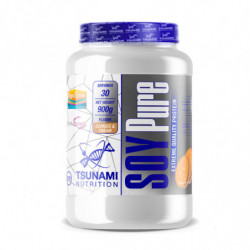
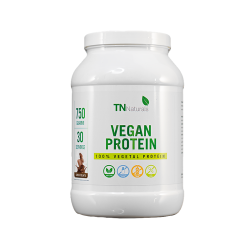
The recommended protein intake before going to bed isaround 40 grams. That said, it is very important to note that protein intake must be tailored to the individual’s actual needs, and it is advisable to discuss this with a doctor or nutritionist. In most cases, the recommended proteins for a ‘bedtime snack’ are caseins (due to their slow release and their ability to stimulate protein synthesis for longer), but as an alternative, soya protein (if you are vegan or vegetarian) or whey protein may also be suitable.
Casein proteins are perhaps still the most suitable, thanks to their release rate, but when making your choice, you may wish to take other factors into account, not least your personal preferences regarding the product’s texture and flavour.
Which protein should you choose for an evening intake?
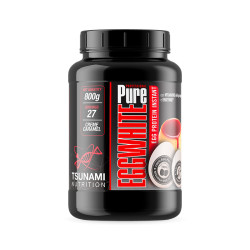
This is a choice that depends on personal preferences and the diet you wish to follow. Protein can be obtained from various food sources:egg protein, whey protein, casein, soya protein and plant-based proteins.
Protein powder before bed
Some people, particularly those with an active lifestyle who take part in regular physical activity, may find it difficult to fully meet their daily protein requirements. There are various factors that can contribute to this imbalance, one of the main ones often being a vegetarian or vegan diet.
Those with higher protein requirements should spread their daily protein intake across the day’s various meals (at least five); the protein requirement for a ‘normal’ person is around one gram of protein per kilogram of body weight, but for sportspeople and professional athletes, it can reach two grams.
Taking protein before bed can be an excellent way to meet your daily protein requirements, support muscle maintenance and growth, and provide the body with a significant supply of these nutrients overnight.
Slow-release proteins before bed
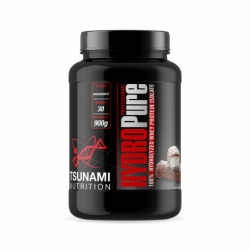
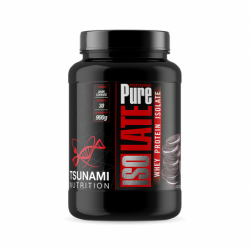
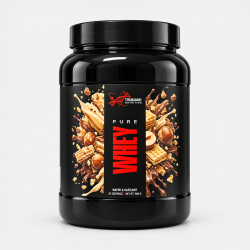
Of the various types, slow-release proteins are often the most recommended for consumption before bed. Casein is the best-known source of slow-release protein and, alongside whey protein, is one of the most widely used products by athletes.
Casein and whey protein are derived from the same source: casein proteins make up around 80 per cent of the protein content in cow’s milk (the most commonly used raw material for protein powder supplements), whilst the remaining 20 per cent consists of whey proteins.
One of the main functions of protein is to maintain and increase muscle mass; one of the main concerns for athletes is maintaining or building muscle. As caseins have a high biological value and are digested more slowly, with a slower release of amino acids compared to whey proteins, they are particularly suitable for consumption before going to bed, during which time they slowly release the amino acids needed to promote protein synthesis and an anti-catabolic effect into the bloodstream.
In summary, the slow release and digestion rates of casein make it particularly suitable for consumption in the evening before going to bed.
Frequently Asked Questions
Can taking protein before bed affect the quality of sleep?
Taking protein before bed may actually have a positive effect on the quality of your night’s sleep. Sleep and its quality are fundamental to everyone’s health and well-being. It is a crucial phase for physical and mental recovery, and a lack of sleep or prolonged poor-quality sleep can cause significant damage to the body.
In addition to physical recovery, another important example illustrating just how crucial the quality and duration of night-time rest can be (in this case for men) is the body’s natural production of testosterone: it is now proven that very poor sleep quality is directly linked to a drop in endogenous testosterone levels.
Protein intake, and consequently a greater supply of amino acids to the body, are factors that canimprove night-time sleep and recovery.
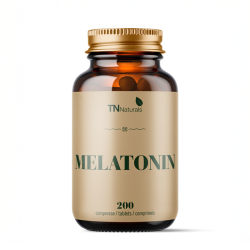
A key example is the amino acid L-tryptophan, which promotes the body’s production of melatonin.
Are there any contraindications to taking protein before bed?
There are no specific contraindications to taking protein before bed. More generally, consuming the correct daily protein intake, proportionate to an individual’s needs, is normally well tolerated by the body. The main contraindications relate to possible lactose intolerance, in the case of whey protein and casein, and excessive protein consumption throughout the day. In the latter case, symptoms such as nausea, diarrhoea, flatulence and vomiting may occur. In the most severe and prolonged cases, excessive protein intake can lead to more serious problems such as liver and kidney strain or osteoporosis.
How can you incorporate protein into your evening meal?
To incorporate protein into your evening meal, you shouldtake a protein supplement, preferably before going to bed. Casein, or slow-release proteins, are the most suitable.
Very often, the protein intake obtained from food alone is not sufficient to meet the body’s needs, with negative consequences for tissue development as well as the maintenance and growth of muscle mass.
To increase protein intake at evening meals, you can eat more pulses (such as chickpeas, peas or beans), white meats (chicken, turkey or rabbit), low-fat cheeses, Greek yoghurt, oats, chia or sunflower seeds, or fish such as salmon, mackerel or cod.
By taking part in regular physical activity and following a diet tailored to your needs and designed to achieve specific goals, you can see noticeable results from the very first few weeks. Within such a structured framework, incorporating protein into your evening meal can provide that extra boost to muscle growth, helping you achieve your desired results in terms of muscle hypertrophy and athletic performance, whilst ensuring your body recovers properly and fully.