- Diet
- 100964 views

How many times have you heard that peanut butteris bad for your health? Although peanut butter isn’t suitable for everyone – some people are allergic to it – it is actually one of the most popular and best-selling spreads in the world, with numerous benefits and a unique nutritional profile that make it an excellent food.
If you want to know all about it, don’t miss this article.
What is peanut butter?
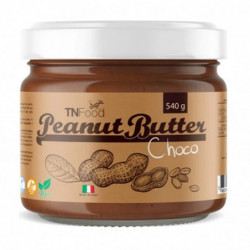
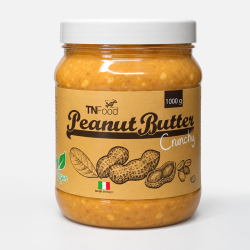
Peanut butter of the same quality as that in our TN FOOD range is a healthy, unprocessed food with excellent nutritional value. Peanut butter is made from peanuts, which are often roasted to enhance their flavour and reduce anti-nutrients, and ground using special, innovative machines until they form a thick paste.
However, it is important to be wary of the quality, as many brands on the market add various low-cost ingredients, turning a pure and healthy product into one of poor quality.
These peanut butters may contain:
- white sugar
- added vegetable oils
- fats
- thickeners
With the addition of these ingredients, peanut butter can become a product that puts a strain on the human body, providing sugars and refined fats which, if consumed regularly, can damage your health, leading to heart and metabolic diseases.
Please note: in some cases, the peanuts used in peanut butters – even those labelled 100% pure – are not of the highest quality, which affects the nutritional value and food quality of the finished product. That is why we recommend reading labels carefully and only buying peanut butter from reputable and transparent companies. At Tsunami Nutrition, we use only high-quality roasted peanuts (to reduce aflatoxin levels) in our TN FOOD peanut butters, and we monitor the entire production chain down to the smallest detail to provide you with a high-quality product.
Peanut butter is a well-known and very healthy peanut paste. The problem with its sometimes ‘controversial’ reputation is that many lower-quality products also contain added sugars and vegetable oils which, if consumed in excess and over the long term, can be harmful to health, as mentioned above.
Is peanut butter a good source of protein?
Peanut butter is a nutrient-dense and relatively balanced food source that provides all three major macronutrients.
A 100-gram portion of peanut butter contains, on average:
- Carbohydrates: 15 grams of carbohydrates, accounting for 10 per cent of total calories, of which 6 grams are fibre and 3 grams are natural sugars
- Protein: 25 grams of protein, accounting for 15% of total calories (a higher amount than in many plant-based foods)
- Fats: 50 grams of fat, of which 7 grams are saturated, accounting for around 72 per cent of total calories
- Other essential micronutrients and antioxidants such as copper, zinc, magnesium and resveratrol.
It is true that peanut butter is rich in protein, but, like most plant-based foods, it is low in methionine, an essential amino acid.
A methionine deficiency is generally associated with a lack of dietary protein or with certain medical conditions. In reality, as part of a varied and balanced diet, methionine deficiencies are extremely rare, particularly among active, healthy people.
Few people realise this, but it is thought that even a low intake of methionine may have beneficial effects on health. Preliminary studies have shown that a methionine deficiency could, in some cases, prolong life expectancy.
Peanut butter contains around 25 per cent protein, making it an excellent source of plant-based protein. However, it is low in methionine, an essential amino acid. As part of a varied and balanced diet, a methionine deficiency is unlikely.
Peanut butter: low in carbohydrates
Pure peanut butter contains only 15 grams of carbohydrates, making it ideal even for those following a low-carbohydrate diet. Furthermore, as it has a low glycaemic index and does not raise blood sugar levels in the same way as other foods, it is an excellent option for people with diabetes.
Eight studies on the subject have shown that regular consumption is linked to a lower long-term risk of developing type 2 diabetes. These benefits have been attributed partly to oleic acid, one of the main fats found in peanuts, and partly to the antioxidants present in peanuts.
Peanuts are low in carbohydrates and are suitable for low-sugar diets for people with diabetes.
Peanut butter contains healthy fats
As mentioned earlier, peanut butter is very high in calories. 100 grams of peanut butter contains around 597 calories, most of which come from fat.
In fact, despite its high calorie content, many studies and people claim that consuming moderate amounts of pure peanut butter can help support a weight-loss diet. And as peanut butter is rich in heart-healthy fats and is a good source of protein, it can be a good option for vegetarians or those following a plant-based diet to include in their diet in moderation.
Half of the fat in peanut butter is oleic acid, a type of healthy fat also found in large quantities in olive oil. Oleic acid has been linked to several health benefits, such as improved insulin sensitivity, better blood circulation and a reduced risk of stroke. Peanut butter also contains linoleic acid, an essential omega-6 fatty acid found in abundance in most vegetable oils.
Many people are convinced that omega-6s are bad and omega-3s are the absolute best. However, high-quality studies have confirmed that the linoleic acid in peanut butter does not increase blood levels of inflammatory markers, as some claim – quite the opposite, in fact.
As with everything, balance is key, but as part of a varied diet, peanuts can offer their own benefits. Pure, high-quality peanut butter is a good source of healthy fats. Whilst some people are concerned about its linoleic acid content – an omega-6 fatty acid – the evidence supporting fears of an inflammatory effect is limited and inconclusive.
Peanut butter is rich in essential micronutrients
As mentioned previously and in other articles, peanut butter is a highly nutritious food that provides not only macronutrients but, more importantly, micronutrients that are vital for health.
A 100-gram portion of peanut butter provides:
- Vitamin E: 60% of the recommended daily intake (RDI)
- Vitamin B3 (niacin): 84% of the RDA
- Vitamin B6: 29% of the RDA
- Vitamin B9: 18 per cent of the RDA
- Magnesium: 37% of the RDA
- Iron: 56% of the RDA
- Magnesium: 65% of the RDA
It is also rich in biotin (B8) and contains reasonable amounts of vitamin B5, iron, potassium, zinc and selenium. Of course, it is important to bear in mind that it contains a total of 597 calories. It should therefore not replace other nutritious foods, but rather form part of a healthy diet, provided it is consumed in moderation.
Although peanut butter is rich in vitamins and minerals that are important for health, it also contains a considerable number of calories, so it should be consumed in a balanced and considered manner, depending on the goals you set for yourself.
Peanut butter is a source of antioxidants
Compared with other foods, peanut butter also contains many biologically active nutrients, which can have beneficial effects on health.
Peanut butter is quite rich in antioxidants such as paracoumaric acid, which may have an anti-inflammatory effect; it has been shown to reduce arthritis. It also contains the well-known resveratrol, an antioxidant associated with a lower risk of heart disease and other chronic conditions such as sclerosis.
High-quality peanut butter is rich in antioxidants, particularly paracoumaric acid and resveratrol. These plant compounds have been linked to various health benefits.
Frequently asked questions about peanut butter
Following this overview of the benefits of peanut butter and the reasons why it is good for your health, here are some frequently asked questions about it.
Q: Can I include peanut butter in my general diet? Is eating peanut butter good for me?
A: If eaten in moderation and provided it is of good quality, then of course. It is rich in nutrients and offers numerous benefits, such as improved cardiovascular health, support for body composition – particularly during muscle growth – positive effects on blood sugar control, and a significant supply of antioxidants for good health.
Q: Does peanut butter make you put on weight?
A: As with any high-calorie food, eating too much peanut butter can lead to weight gain. In fact, if eaten in moderation and on a regular basis, it can also aid weight loss by reducing emotional eating and increasing feelings of fullness during meals. If you’d like to find out more, we invite you to read this article.
Q: What is the best peanut butter?
A: The best peanut butter is pure peanut butter, with no added sugar, no oil and no additives, made from high-quality ingredients and, above all, sold by a reputable company. That’s why I recommend our range of peanut butters, which has won over all our customers.
In summary, our TN FOOD peanut butter is:
- 100% made in Italy
- Made exclusively from high-quality peanuts
- GMO-free, palm oil-free, gluten-free and lactose-free
- 28% plant-based protein per 100 grams
- A source of energy and protein, and rich in omega-6 and omega-3 fatty acids
Q: Is peanut butter good for cholesterol?
A: Yes, it is also good for controlling blood cholesterol levels, as it contains healthy fats that are essential for the human body.
Q: Is almond butter better than peanut butter?
A: There isn’t really a definitive answer. Few people realise this, but almond butter, whilst highly nutritious, has a shorter shelf life than peanut butter and is much more expensive. When considering the recommended portion sizes, the subtle nutritional differences are negligible in the context of daily consumption. In terms of health, almonds have a much higher water footprint than peanuts.
Q: Can I eat peanut butter in the evening?
A: Yes. Eating it before bed promotes muscle growth and improves sleep quality. However, consuming too much peanut butter before bed is not recommended for people with digestive problems.
Q: Can peanut butter be eaten as part of special diets such as the keto diet?
A: Yes. Peanut butter is low in carbohydrates. Therefore, you can also include it in low-carb and keto diets, provided you limit your intake and vary your diet with other food options.
Q: How much peanut butter can I eat per day?
A: This is obviously a subjective question, depending on your individual goals, but a good rule of thumb is to eat between one and two tablespoons a day, totalling 20 to 30 grams.
Q: Is peanut butter better than Nutella?
A: Although many people here will be sceptical, my personal answer is yes. Apart from the taste – which you’ve got to like – on paper, peanut butter is a healthier option because it contains no added sugar, no unhealthy fats and is rich in protein, which Nutella isn’t.
What’s more, in my opinion, it’s delicious when used in a variety of recipes, both sweet and savoury.
Q: Does peanut butter lead to an increase in belly fat?
A: No, there is no scientific evidence to support this. However, excessive consumption can lead to weight gain. And weight gain can lead to fat accumulation, but it’s not as though peanut butter is specifically stored as abdominal fat.