- Health and wellness
- 56513 views
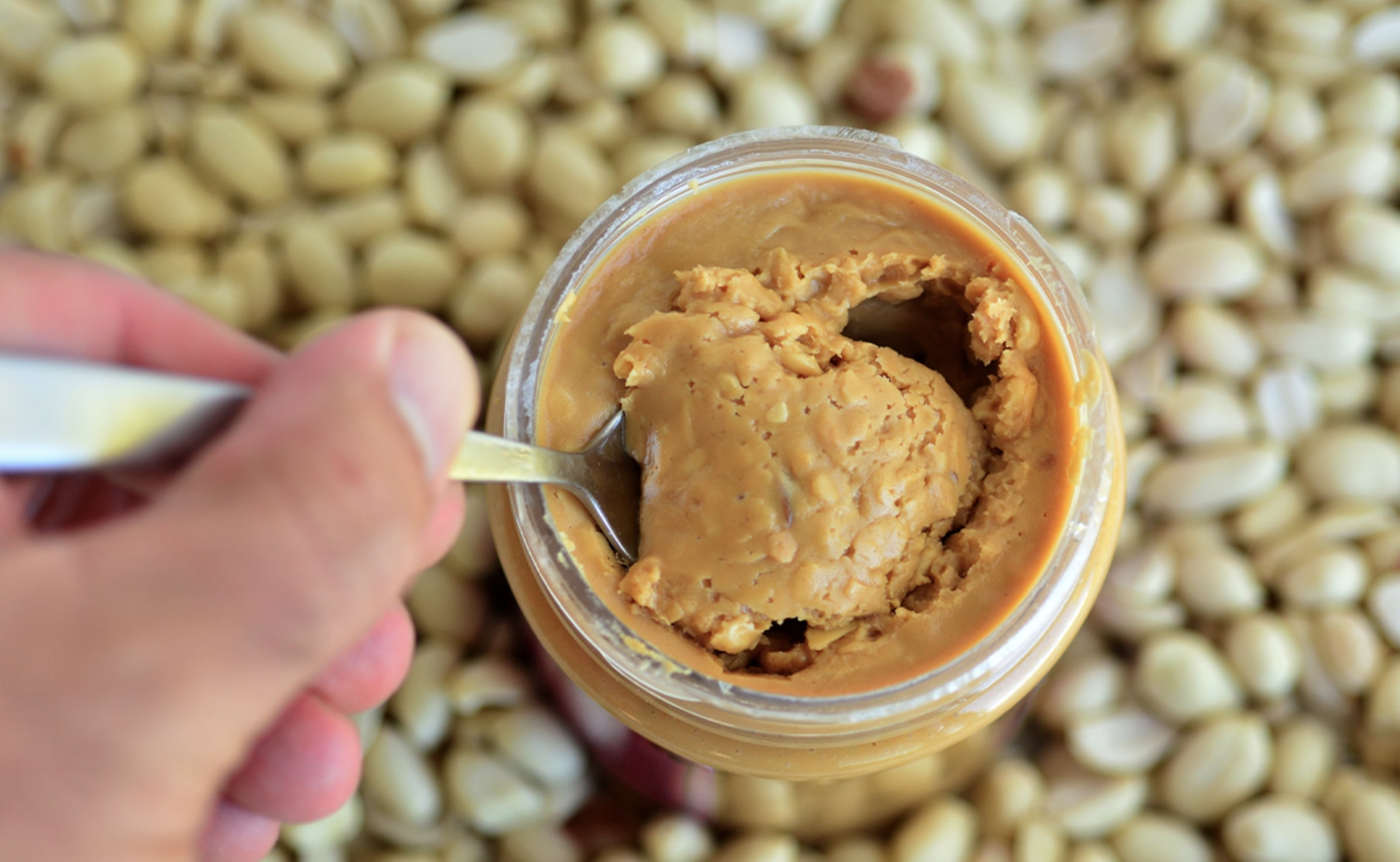
Peanut butteris a spread made by processing and grinding peanuts. Popular in the United States, its use is becoming increasingly widespread in the rest of the world. Creamy and rich in flavour, peanut butter can be considered anutritious and healthy product, provided you only use products made from 100 per cent peanuts and containing no additives, emulsifiers or other ingredients. Like all natural foods, it can be eaten in moderation as part of a balanced diet without causing weight gain.
Peanut butter and dieting: why eat it?
Peanut butter is a plant-based product whose natural flavour and nutrient content make it anexcellent source of energy, particularly due to itshigh protein content. Peanut butter is a calorie-dense food that can be included in the diet without any particular contraindications.
People who lead a sedentary lifestyle can eat it in moderation, two or three times a week. Above all, those who lead a healthy lifestyle, with a balanced diet and regular physical activity, can enjoy delicious peanut butter for breakfast or as a snack during the day. Sportspeople and athletes can use peanut butter, which is rich in protein and otheressential nutrients, to prepare tasty and nutritious snacks before and after training.
The nutritional properties of peanut butter
The calorie content of peanut butter issimilar to that of other spreads. Peanut butter is rich in vegetable fats, particularly essentialomega-3 and omega-6fatty acids, which help to reduce levels of ‘bad’ cholesterol (LDL) and increase levels of ‘good’ cholesterol (HDL) in the blood. It is high in fibre and very filling. It is low in carbohydrates, which is very important, particularly for people following low-carbohydrate diets. Rich in fat and cholesterol-free, peanut butterprovides around 588 calories per 100 g.
Peanuts have an interesting nutritional profile, including in terms of protein content. In fact, every 100 g of peanut butter provides around 26 per cent protein.
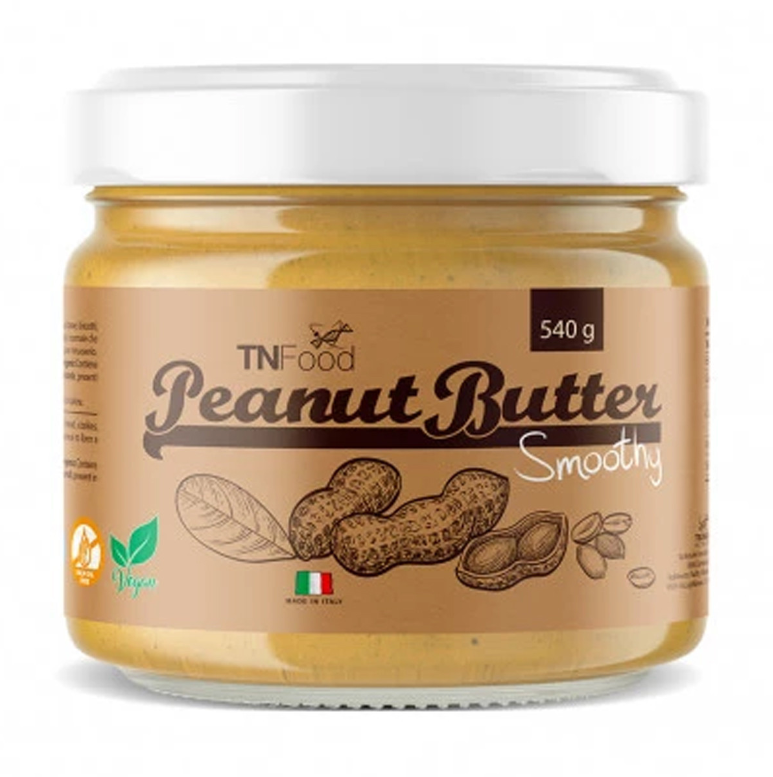 Tn Food’sPeanut Butter Smoothyis a100% natural peanut butter made in Italy from roasted and ground peanuts, containing over29% proteinper 100 g of product.
Tn Food’s protein-rich peanut butter is gluten-free, lactose-free and vegan; it is made without added sugar, salt or palm oil. Thanks to its high protein, fibre andomega-3 and omega-6content, and its low carbohydrate content, it is ideal as a snack for athletes and provides energy and muscle support.
It can be eaten on its own, on biscuits, on toast with jam, with ice cream, in yoghurt or in porridge.
Is peanut butter bad for your health?
Peanut butter, like all foods,should be eaten in moderation and without overindulging. Although it is high in calories, it can safely be included as part of a varied and healthy diet.
People with an active lifestyle can eat peanut butter as a snack during the day or before going to bed. However, there are a few recommendations to bear in mind: if eaten in large quantities, peanut butter can be difficult to digest and lead to problems such as acid reflux, a heavy feeling in the stomach and heartburn, and may contribute to weight gain if consumed in large amounts. Furthermore, as peanuts are a common allergen, peoplewith food intolerances or allergies should consume them with caution and in moderation.
Does peanut butter help you lose weight?
Peanut butter does not cause weight loss. As it is a protein-rich food with a high satiety factor, peanut butter makes an excellent snack. One or two teaspoons of peanut butter may be enough to curb hunger. Given its satiating effect, eating peanut butter in appropriate amounts instead of other foodscan help with weight maintenance and weight loss.
Is eating peanut butter before bed bad for your health?
No.Eating peanut butter before bed isn’t bad for your health – quite the opposite, in fact. Peanut butter is rich in vitamins and minerals, protein and polyunsaturated fatty acids – nutrients that make itan excellent food and a perfect bedtime snack. Eating a little peanut butter before bedhelps prevent night-time and morning cravingsand providesessential nutrientsthat can be absorbed by the body overnight, particularly protein for the muscles. As we’ve already mentioned, the key is to consume the right amounts as part of a varied and balanced diet.
Can you eat peanut butter every day?
People who lead an active and healthy lifestyle can eat peanut butter three or four times a week. If eaten for breakfast, peanut butter can give you a good energy boost to get you through the day; if eaten after dinner and before bed, it can be considered anideal protein-rich snackto curb cravings. Peanut butter, like any other food, should be enjoyed in moderation.
How much peanut butter should you eat each day?
Daily peanut butter intake should bearound 30 grams, which means youshouldn’t have more than two tablespoons a day. You don’t need to eat peanut butter every day of the week, but it’s best to eat it in controlled amounts to enjoy its full flavour and all its benefits.