- Health and wellness
- 3369 views
The recommended daily intake of caffeine
The recommended intake of caffeine may vary depending on each person’s physiological needs. Generally, it is considered safe to consume around 3 to 4 cups of espresso per day.
Certain groups, such as pregnant women, teenagers and athletes, should seek more detailed advice from a trusted doctor to establish a suitable routine.
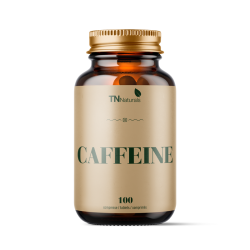
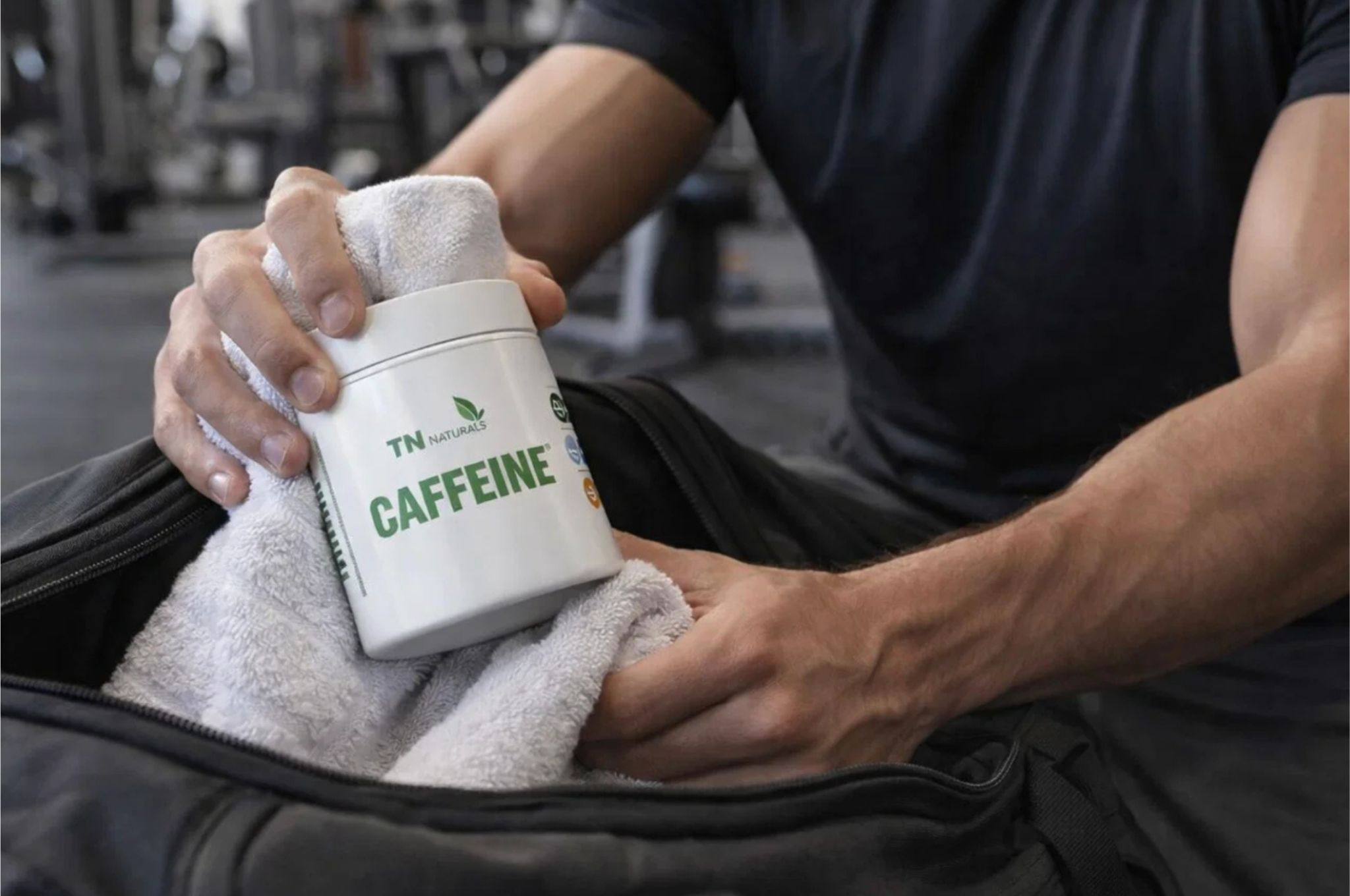
The Caffeinesupplement by Tsunami Nutrition is made from pureanhydrous caffeine; the recommended dose is 200 mg, which corresponds to one tablet per day. The product is gluten-free, lactose-free and suitable for vegans. The supplement offers a convenient way to consume caffeine in a single, controlled dose, to support concentration, focus and energy when needed.
EFSA guidelines on safe dosages
The EFSA(European Food Safety Authority) has published detailed guidelines on safe caffeine intakes:
The effects of caffeine vary from person to person. It is always advisable to start with a lower dose and increase it as required, whilst monitoring the benefits, to avoid any adverse effects.
The maximum caffeine intake for healthy adults
For healthy adults who need to regulate their maximum daily intake, the EFSA guidelines for achieving benefits in terms of energy and concentration are approximately 3 to 4 cups of espresso.
Consumption limits during pregnancy
During pregnancy, caffeine consumption is generally not recommended as the substance crosses the placenta and may increase the risk of side effects for both the woman and the foetus.
Provided there are no serious issues requiring a change in the pregnant woman’s diet, it is essential not to exceed 1 to 2 cups of coffee per day. Furthermore, it is advisable to take into account all sources of caffeine beyond coffee, such as tea, chocolate or suitable energy drinks.
Caffeine content in common drinks
The caffeine content of drinks we typically consume as part of our daily diet:
- Espresso: approximately 60 mg
- Black tea: around 80 mg
- Energy drink: around 80 mg, can be as high as 160 mg
- Caffeine supplements: pre-measured at 200 mg.
How much caffeine is there in an espresso?
A cup of espresso contains around 60 mg of caffeine. It takes around 5 to 6 cups of coffee to reach the maximum limit.
Caffeine content in energy drinks
Energy drinks contain varying amounts of caffeine. In energy drinks, added sugars and other stimulants must also be taken into account. Excessive consumption can cause tachycardia, anxiety and gastrointestinal problems.
How many coffees do 200 mg and 400 mg correspond to?
This corresponds to approximately 200 mg of caffeine: roughly 3 espressos. Meanwhile, 400 mg corresponds to approximately 6 espressos, which also represents the limit set out in European guidelines.
The effects of different doses on the body
With regular, habitual consumption, the body’s tolerance remains the same, but there may be a build-up of tolerance and a reduction in benefits over time. A sudden cessation may also cause withdrawal symptoms.
Between 100 mg and 200 mg, there is an increase in energy and few side effects; however, if the intake exceeds 400 mg (unless taken for a specific reason) , there is a risk of potential toxicity to the body.
Caffeine for enhancing sporting performance
Caffeine enhances sporting performance, offering benefits for:
- The central nervous system;
- Reducing the perception of fatigue;
- Fat oxidation.
Caffeine is a powerful tool for athletes and fitness enthusiasts. Tsunami Nutrition ’s energy drinksare formulated to provide an immediate energy boost, thanks to anhydrous caffeine and other natural stimulants.
They are perfect before an intense workout or a competition, but it is important to use them responsibly, as they contain significant amounts of caffeine which can cause side effects if not used properly.
Risks and symptoms of overdose
Consuming caffeine in excess of the recommended limits can lead to significant, and even chronic , risks to the body: nervousness, muscle tremors, gastrointestinal disturbances; and long-term effects such as vascular problems or withdrawal symptoms such as frequent headaches and recurring fatigue.
If any side effects occur, however minor, it is essential to consult your GP.
Frequently Asked Questions
What is the absolute daily limit for caffeine?
The recommended caffeine limit for reaping the benefits whilst maintaining a healthy metabolism is between 200 mg and 400 mg per day. Depending on your own lifestyle, it is important to understand the most suitable intake based on your age and daily habits.
Can someone with heart failure consume caffeine?
It is not advisable for people with heart conditions to drink coffee, as this could affect the central nervous system and further increase the heart rate.
Generally, it is advisable to obtain caffeine from other sources such as tea, chocolate or energy drinks.
Is it possible to drink coffee whilst taking antidepressants?
It is importantto assess your own response to caffeine and always seek professional medical advice. Whilst undergoing treatment for depression, it is possible to consume caffeine, provided you monitor your reactions.
Of course, when weighing up the overall risks, it is often not recommended as it can cause increased nervousness, insomnia and gastrointestinal problems.
What type of coffee is best if you suffer from acid reflux?
If you suffer from gastro-oesophageal reflux, the types of coffee that are generally better tolerated than others are: decaffeinated coffee , 100% Arabica coffee and filter coffee, or ‘American’ coffee.
Caffeine is a valuable ally for energy, concentration and physical performance. Whether it’s coffee, tea or an energy drink: if you wish to incorporate this substance into your diet, it is essential to understand your own needs and monitor your daily intake. When choosing to take supplements, it can be helpful to opt for pre-measured capsules, such as those from Tsunami Nutrition, to avoid accidentally exceeding the recommended dose.