- Health and wellness
- 3247 views
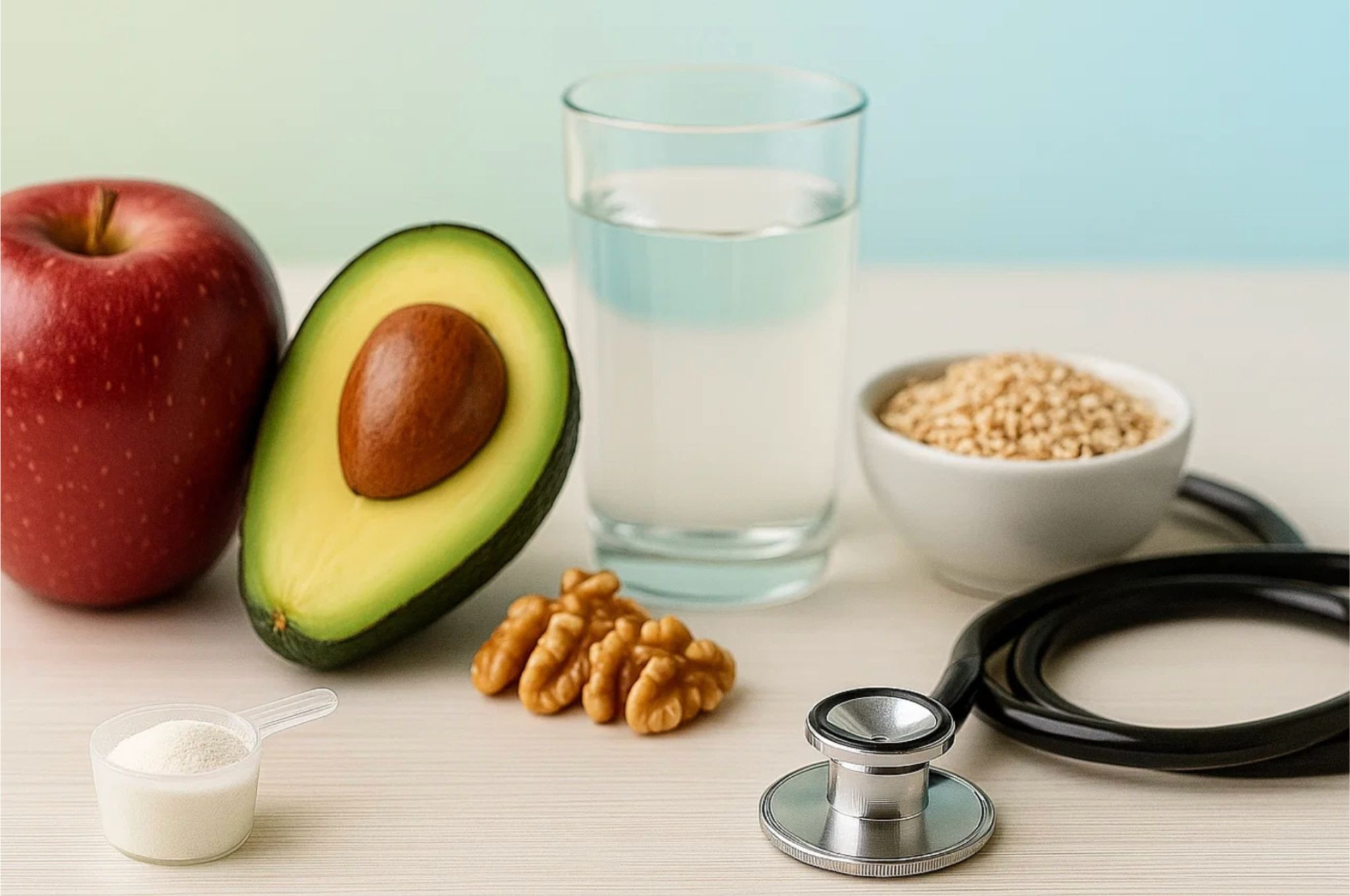
Is there a link between collagen and increased cholesterol levels?
Collagenoffers cardiovascular benefits as it helps to improve the elasticity of blood vessels (arteries and veins) and make them more resistant to rupture.
Some research has shown that taking collagen supplements leads to a reduction in systolic blood pressure, ensuring better blood pressure control and general benefits for cardiovascular health. Most importantly, it reduces ‘bad’ cholesterol.
Taking collagen therefore reduces many problems associated with cholesterol, which can build up in the arteries, increasing the risk of cardiovascular disease. It also promotes the productionof nitric oxide, which helps regulate blood flow.
The composition of collagen and the absence of cholesterol
Type 3collagen is the form of collagen that aids the production of ‘good’ cholesterol, which helps with vasodilation and blood pressure regulation. This protein is vital for the structural integrity of blood vessels, as well as their structure and flexibility.
Collagen protein is associated with the absence of ‘bad’ cholesterol, which can build up in the arteries, increasing the risk of cardiovascular disease.
Be wary of additives in supplements
Notall supplements are the same; they differ in terms of additional additives and other substances of which consumers are not always fully aware.
Additives in supplements: these extend the shelf life and are used to improve the appearance of powders or tablets.
Flavourings, colourings, natural sweeteners and coating agents must be listed on the label. Sometimes, many supplement products are packed with additives, simply because they are cheaper and allow the brand to cut costs.
The Tsunami Nutritionbrand uses only top-quality raw materials and ingredients, which guarantee the supplements’ effectiveness.
Bovine collagen and cholesterol: what do the studies say?
Bovine collagen has a positive effect on cholesterol: it increases ‘good’ cholesterol and reduces ‘bad’ cholesterol.
Furthermore, the production of nitric oxide has a positive effect on vasodilation, improving vascular health and, consequently, the body’s overall wellbeing.
Collagen is a sensible supplement offering a range of benefits; it is essential to ensure our bodies’ needs for this protein are met.
Studies confirm thattaking collagen supplements supports:
- The elasticity of blood vessels
- Reduces arterial stiffness
- Improved lipid profile
- Protection against potential arterial diseases
- The repair and integrity of arteries and veins.
Potential side effects of collagen
The main side effectsof collagen generally occur in people with allergies to animal-derived foods, as these are the primary source of this structural protein.
Furthermore, people with impaired kidney function, or those taking various medicines for specific treatments – particularly anticoagulants – should avoid taking collagen supplements. This could cause gastrointestinal problems, particularly when first taking the supplement.
As a general rule, collagen is a protein that is well tolerated by the body and plays a part in numerous biological processes to support the firmness of connective tissues and facilitate cell regeneration.
Does collagen cause weight gain or a bloated stomach?
Collagenis a pure protein, free from fat and added sugars; consequently, it has no side effects related to weight gain or bloating.
However, it can contribute to weight loss and the maintenance of lean body mass by supporting metabolism and promoting a more toned appearance, thanks to the benefits it brings to the skin’s elasticity.
Whether it is bovine or marine collagen, both are low in calories and contain no significant amounts of sugar or fat. However, it is important to take supplements on medical advice and to combine them with a balanced lifestyle and diet.
The impact on the liver, kidneys and heart
The impact on the liver, kidneys and heart depends mainly on the doses taken, which could lead to a build-up of proteins that are not properly digested or, worse still, not filtered by the kidneys. Collagen proteins do not contain hormones or substances that could have a negative effect on liver function or the thyroid in healthy individuals.
The main risk one may face is that, if too much protein is consumed, there is a risk that the kidneys may not be able to process it effectively; collagen itself is not dangerous, but if you have an underlying medical condition, it is important to understand whether or not the kidneys can cope with the excess protein through filtration.
Interactions with the thyroid
Collagen has not been shown to have any adverse effects on the thyroid; however, as it is a protein, it is essential to take supplements only after assessing your own clinical situation with the help of a doctor or nutritionist.
Collagen supplements do not contain hormones or any substances that could compromise thyroid function in healthy individuals.
Choosing high-quality products formulated using the finest raw materials – such as those from the Tsunami Nutrition brand – is the best way to avoid the onset of unwanted side effects.
Who should take care?
Collagen supplementation is not suitable for everyone. It is important to exercise caution and monitor your body’s reactions whilst taking it.
This is particularly important for people who are allergic to animal proteins, those suffering from kidney or liver disorders, and those undergoing specific drug therapies. Pregnant or breastfeeding women should also assess their condition with the help of a specialist.
The main contraindications for taking it
Collagen has no side effects, as it is a protein already naturally present in our bodies, but an overdose or an inappropriate combination with another medication could lead to unwanted gastrointestinal effects.
It is important to assess your own clinical situation before starting any supplementation, in order to avoid unexpected contraindications.
How to choose a safe supplement
Choosing a safe supplement means trusting a brand that specifies every detail in the product information sheet and ensures the same nutritional information is provided on every product label.
It is not enough simply to create chemical compounds: high-quality supplements enhance your wellbeing and offer a wide range of benefits. However, this is only true if they are made from high-quality raw materials and are monitored throughout the production chain.
Tsunami Nutrition ’sResearch & Development Team gives you an insight into the complex quality control process for our products. Have a look if you’re curious about how a high-quality supplement is developed.
Frequently Asked Questions
Can taking collagen make high cholesterol worse?
No, on the contrary, taking collagen helps to manage cholesterol by converting it into ‘good’ cholesterol. Furthermore, the protein’s vasodilatory effect helps the entire body to maintain good health.
What are the most common side effects of collagen?
The most common side effects of collagen are: digestive problems, kidney problems, loss of appetite due to an overdose, and abdominal pain.
Does taking collagen cause weight gain?
No, collagen is a pure protein containing no fat or sugar; it does not cause weight gain but can help reduce abdominal bloating and give a more toned appearance.
Is collagen safe for people with thyroid problems?
Some studies suggest that collagen does not cause thyroid problems and can be taken without any issues.
Each person’s treatment and needs will vary, but if discussed with a doctor, collagen can bring benefits for both health and skin tone.
Who should definitely not take collagen?
The main sources of collagen are animal-based; therefore, those who are allergic to animal or marine proteins, and those suffering from kidney problems, should not take collagen.
There are different types of collagen; it is important to choose the one that best suits your own needs in order to achieve the essential and extraordinary results as quickly as possible. By choosing products from the Tsunami Nutrition brand, you will be selecting only the very best collagen supplements.