- Health and wellness
- 798 views
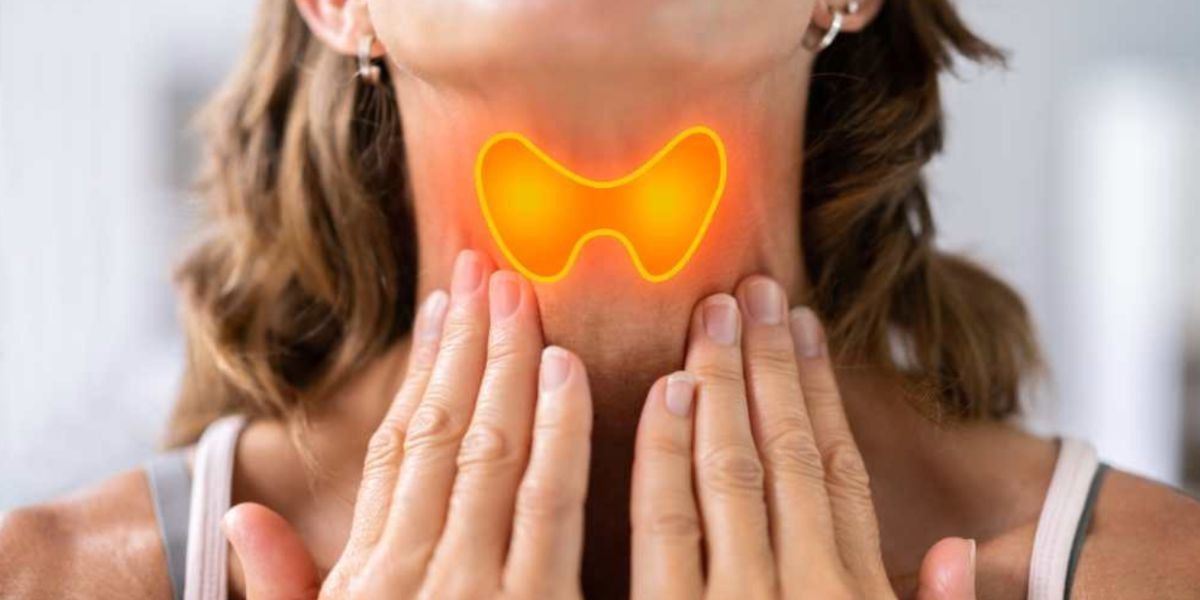
Hyperthyroidism: early symptoms
The early symptoms of hyperthyroidism can be subtle and easily mistaken for stress, anxiety or metabolic disorders.
However, there are a number of signs that may suggest a problem related to hyperthyroidism. The most common are:
- An increased heart rate (tachycardia)
- Unintentional weight loss
- Irritability and a constant feeling of nervousness
- This is often accompanied by heat intolerance and excessive sweating, even in normal ambient conditions.
In the early stages, the condition may not cause any obvious symptoms, but over time it can have a profound impact on quality of life.
Hyperthyroidism and TSH: what does this value indicate?
One of the main indicators for diagnosing hyperthyroidism is the level of TSH (thyroid-stimulating hormone), produced by the pituitary gland. In cases of hyperthyroidism, the TSH level is usually very low, as the excess of thyroid hormones in the blood (T3 and T4) inhibits the pituitary signal. This parameter, together with measurements of free thyroid hormones, helps to determine the severity and nature of the condition.
A low TSH level is therefore one of the first warning signs and must always be interpreted within the patient’s clinical context and with the help of an endocrinologist.
Hyperthyroidism: symptoms in women
As mentioned, in women, hyperthyroidism can present more markedly and affect specific aspects related to the menstrual cycle and fertility. When discussinghyperthyroidism and its symptoms in women, the following are observed:
- Irregular menstrual cycles or amenorrhoea
- Rapidweight loss even without dieting
- Anxiety, restlessness and persistent insomnia
- Increased sweating and heat intolerance
- Muscle weakness and chronic fatigue
- Skin changes, brittle hair and thin nails
- Reduced fertility.
How is hyperthyroidism treated?
When it comes to hyperthyroidism and its treatment, it depends on the underlying cause and the severity of the condition. Generally speaking, treatment aims to reduce the excessive production of thyroid hormones and relieve symptoms.
Depending on the situation, there may be various options:
- Antithyroid drugs: such as methimazole or propylthiouracil, which inhibit the synthesis of thyroid hormones
- Beta-blockers: useful for controlling cardiovascular symptoms, such as tachycardia and anxiety
- Iodine-131 radiotherapy: used to selectively destroy part of the overactive thyroid tissue
- Surgery (thyroidectomy): indicated in severe cases, where suspicious nodules are present, or when drug therapies are ineffective.
Treatment must be followed by regular check-ups to assess changes in thyroid function and adjust the treatment according to the individual’s response.
Hyperthyroidism: can it be cured?
One of the most frequently asked questions is: can hyperthyroidism be cured? The answer depends on various factors, including the underlying cause, how quickly it is diagnosed and the effectiveness of the treatment.
In many cases, hyperthyroidism can be effectively controlled with drug treatments, radioactive iodine or surgery. Some patients may experience complete remission, particularly in cases of transient or mild hyperthyroidism. It should be noted, however, that in other cases, long-term treatment or thyroid hormone replacement therapy may be necessary in the event of post-treatment hypothyroidism.
Hyperthyroidism and pregnancy
Pregnancy is a unique condition in which hormonal balance is essential for the health of both the mother and the foetus.Hyperthyroidism during pregnancy can complicate the course of gestation if it is not correctly diagnosed and managed.
Mild cases may be closely monitored without requiring immediate treatment, whilst more severe cases require targeted pharmacological treatment with antithyroid drugs that are safe to use during pregnancy.
We know, however, that regular monitoring of TSH, FT3 and FT4 levels is essential to prevent complications such as preterm birth, pre-eclampsia and low birth weight.
With multidisciplinary care and constant monitoring, most women with hyperthyroidism can look forward to a peaceful pregnancy and childbirth.
TN Pharma’s nutraceutical solution
We have seen how, in hyperthyroidism, the thyroid gland produces an excessive amount of thyroid hormones, which can lead to a range of significant clinical symptoms: weight loss, tachycardia, sweating, nervousness, etc. The most common causes are those mentioned above, but, according to the literature, the main causes are primarily autoimmune thyroiditis, where the presence of antibodies stimulates abnormal production of thyroid hormones and, consequently, an increase in the thyroid’s activity and volume.
It is precisely to address this problem that our Research & Development team at TN Pharma has created an extremely advanced formula, which harnesses the synergy of unique raw materials of a high degree of purity, capable of influencing thyroid activity, restoring it to a healthy, normal state.
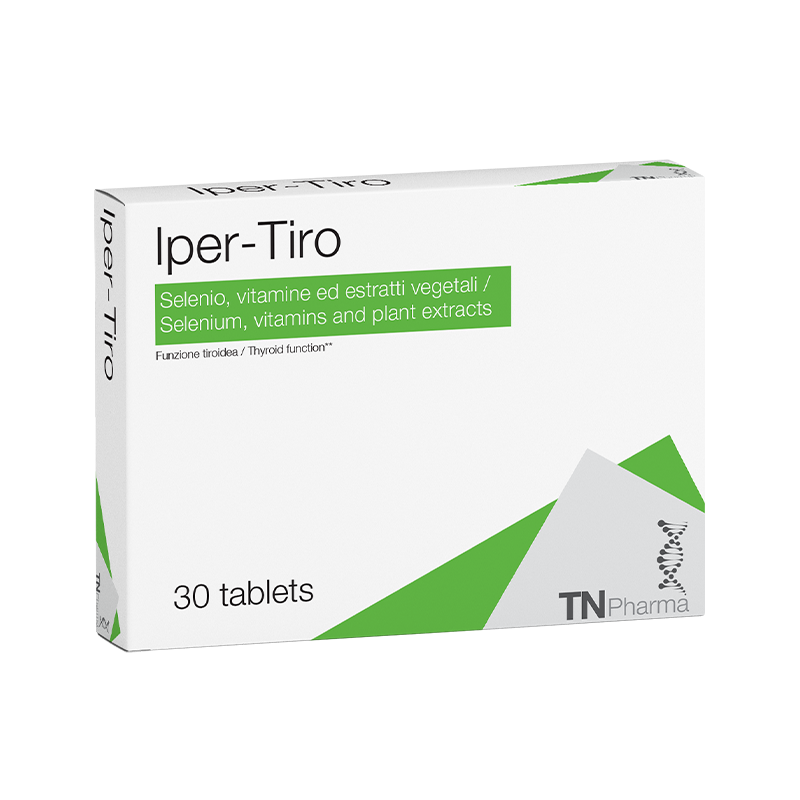
Iper-Tiro 30 tablets by TN Pharma is one of the very few supplements designed to support those with hyperthyroidism; it is among the most advanced on the market, meticulously formulated with ingredients capable of improving thyroid function.
Let’s analyse its components to better understand how this nutraceutical formulation can help us:
Among its ingredients, carnitine tartrate stands out, as its properties for supporting the thyroid have been known for millennia. L-carnitine is an amino acid derivative found naturally in the body. It is also commonly found in certain foods and in cognitive and weight-loss supplements.
It has recently been discovered that carnitine reduces the action of thyroid hormones, particularly T3 (the more active form), proving effective against the symptoms of hyperthyroidism without, however, producing a similar effect in healthy individuals.
It is worth noting that as early as a 2001 study, it was observed – as a secondary endpoint – that L-carnitine could reverse and prevent the symptoms of hyperthyroidism, including heart palpitations, tremors and fatigue.
Many will wonder: why not use the classic and popular acetyl-L-carnitine? Because carnitine tartrate, compared to its acetyl counterpart, exhibits greater activity and absorption not only in the CNS (central nervous system), but also, and most importantly, in the muscles and thyroid, as well as in other parts of the body.
L-Carnitine Tartrate promotes a healthy hormonal balance by enhancing the activity of cellular receptors. Furthermore, it has been shown to be highly effective in supporting physical recovery, which is also an important factor in aiding training and managing stress.
Moving on to the formulation of Iper-Tiro, in order to offer you something innovative, following extensive research, we decided to include various natural extracts, already used in ancient medicine.
Among these, the following stand out:
- Lemon balm extract, an ancient remedy used to manage anxiety, nervousness and all problems of emotional origin. It is worth noting that certain studies have shown that lemon balm has a strong ability to inhibit thyroid activity by interfering with TSH (thyroid-stimulating hormone), the pituitary hormone that has a direct stimulating effect on the production of thyroid hormones.
- Millet extract has also been shown to affect the thyroid by inhibiting the production of thyroxine. The mechanism of action is attributable to the presence of substances capable of inhibiting the enzyme thyroid peroxidase, which is involved in the synthesis of thyroid hormones. This also explains why, in cases of Hashimoto’s disease, millet is not recommended. Regular use of this extract can be particularly beneficial in cases of mild hyperthyroidism.
- Horehound extract, whose flowers contain high levels of fluorine, polyphenols and flavonoids with anti-thyrotropic properties, has the ability to counteract the tendency towards hyperthyroidism, particularly in the early stages. This is because fluorine has the ability to interact by blocking iodine receptors; this results in the production of hormones with a low iodine content, thereby reducing thyroid activity.
Finally, we sought to enrich the Iper-Tiro formulation with two essential vitamins with antioxidant properties; namely Vitamin C and Vitamin E. These vitamins were chosen because they can support the body in cases of oxidative stress caused by an excess of free radicals, which are linked to thyroid-related problems.
As we are always committed to offering you the very highest quality, another important feature of Iper-Tiro TN Pharma is that it can be taken by everyone, as we have made it suitable for those with the main food intolerances and for the most common dietary regimes:
- VEGAN OK
- GLUTEN-FREE
- LACTO-FREE
This feature, combined with its unique formulation, places Iper-Tiro at the top end of its category, offering support for a clinical condition that is often under-treated and which, as we have seen today, must be diagnosed promptly and managed effectively, so as not to compromise general health and overall quality of life.