- Health and wellness
- 8867 views

What is marine collagen?
Marine collagenis a structural protein extracted mainly from the skin, scales and cartilage of fish. It belongs to the Type I collagen group : essential for the skin, tendons, ligaments and bones.
Compared to other sources of collagen, such as bovine collagen, marine collagen has a smaller protein structure, which ensures effective bioavailability. It is often recommended as a dietary supplement to support the skin’s elasticity, firmness and hydration, as well as to promote joint and bone health.
The difference between marine collagen and bovine collagen
Marine collagen and bovine collagen come from two distinct animal sources and therefore have different characteristics that influence absorption and their effects on the body.
Marine collagen:
- Source: fish skin, scales and cartilage
- Mainly Type I: beneficial for hair, nails, skin and bones
- Bioavailability: smaller molecules for greater absorption of the nutrient by the body
- Main benefits: skin elasticity and hydration; support for bones and joints
- Contraindications: not suitable for people with a fish allergy.
Bovine collagen:
- Source: from the skin, bones and connective tissues of cattle
- Mainly Type I and Type II: beneficial for the skin, joints, tendons and muscles
- Bioavailability: molecules are slightly larger than those in marine collagen, but are still effective when hydrolysed
- Main benefits: for those seeking comprehensive support for the body
- Contraindications: may not be suitable for those following a vegan diet
The role of hydrolysed marine collagen
Marine collagen is a form of protein broken down into small peptides, which facilitates its absorption in the gut. This makes it particularly effective as a dietary supplement to support the health of the skin, joints and bones, as well as hair and nails.
In particular, it promotes the regeneration of connective tissue, improving skin elasticity and helping to reduce blemishes.
Hydrolysed marine collagen is often combined with other nutrients, such as vitamin C or hyaluronic acid, to boost collagen synthesis and maximise its benefits.
The main benefits of marine collagen
Marine collagen offers valuable benefits thanks to its high content of ingredients such as glycine, proline and hydroxyproline.
Key benefits of marine collagen include:
- More supple and hydrated skin
- Support for hair and nails
- Healthy bones and joints
- Tissue regeneration
Thanks to these effects, marine collagen is a versatile supplement, suitable both for those seeking aesthetic benefits and for those wishing to support joint function and general wellbeing.
Improved skin: elasticity and hydration
One of the main benefitsof marine collagen is its positive impact on the skin. Thanks to the high bioavailability of hydrolysed peptides, marine collagen promotes the regeneration of connective tissue and stimulates the production of new collagen. This provides valuable benefits for more elastic and toned skin, with a reduction in wrinkles and fine lines.
Furthermore, it improves skin hydration by combating dryness, particularly in adulthood and during the menopause.
Strengthening hair and nails
Marine collagen improves the strength and resilience of hair and nails thanks to essential amino acids, particularly glycine, proline and hydroxyproline. Regular intake of hydrolysed collagen promotes hair growth and also reduces nail brittleness, helping to prevent them from splitting or breaking.
Support for joints and bones
The structural protein in marine collagen supports bones, joints and connective tissue. Hydrolysed collagen peptides help maintain the strength and flexibility of cartilage, reducing joint discomfort and promoting bone mineralisation.
This benefit is particularly useful in adulthood due to the decline in oestrogen, which accelerates collagen loss and makes bones more fragile.
Contraindications and side effects
Marine collagen is generally safe and free from side effects, as it is a protein that is naturally present in our bodies. Nevertheless, there are certain situations where it is advisable to take precautions when taking supplements. It is certainly not recommended for those who have developed allergies to fish or seafood over the course of their lives, as it could cause allergic reactions.
In rare cases, taking marine collagen may lead to gastrointestinal problems if the dosage is high or if the product is taken on an empty stomach.
Before starting any type of supplementation, it is advisable to have the necessary tests carried out and to consult your doctor to ensure its effectiveness.
Does marine collagen cause weight gain?
No, marine collagen does not cause weight gain as it is composed mainly of amino acids and is low in calories. It contains no significant amounts of sugar or fat compared to common protein-rich foods. Its main function is to support the skin, bones and joints, so it does not cause fat to accumulate.
However, as with any supplement, it is important to incorporate it into a balanced diet and maintain a healthy, active lifestyle.
Risks to the liver and thyroid: what you need to know
Marine collagen is generally considered safe for the liver and thyroid, provided it is taken at the recommended doses. It contains no hormones or substances that could interfere with liver or thyroid function in healthy individuals.
It is always important to take precautions for those suffering from specific medical conditions and thyroid imbalances. It is important to choose certified, high-quality products.
This protein should be regarded as a nutritional supplement, not as a medical treatment.
Allergies and other possible reactions
Marine collagen may cause allergic reactions in people who are sensitive to fish or seafood, as the protein is extracted specifically from parts of fish. The most common symptoms are diarrhoea or abdominal bloating.
To reduce the risk of adverse reactions, it is important to choose high-quality supplements, follow the manufacturer’s recommended doses, and consult a doctor before taking them.
How and when to take marine collagen
You can choose to take marine collagen according to your needs by following some simple guidelines to get the maximum benefits from the supplement. Above all, taking collagen consistently and regularly helps the body to absorb it continuously.
Generally, doses range from 5 to 10 grams per day for powders, and vary according to the quantities indicated for sachets and single-dose portions.
The best time to take collagen is in the morning, between meals, to promote faster and more direct absorption of the protein. To maximise effectiveness, it is advisable to take formulations containing vitamin C, which stimulates collagen synthesis.
Recommended dosage and method of use
The dosage of marine collagen depends on the form of the supplement and the specific objective:
- Powder: 5 to 10 g per day, to be dissolved in water or juice
- Capsules or tablets: follow the instructions, usually 2 to 4 capsules per day
- Single-dose sachets: pre-measured for daily intake
To maximise absorption and, consequently, the benefits of marine collagen supplementation, it is advisable to take it on an empty stomach, between meals, and to combine it with vitamin C to promote its synthesis.
How long does it take to see the first effects?
The benefits of marine collagen are not immediate. However, its high bioavailability helps to deliver results such as improved skin elasticity, hydration and the strength of nails and hair, within 4 to 8 weeks. As for connective tissues and joints, results become apparent more slowly, between 8 and 12 weeks.
Consistency is key; the benefits may appear but will not be effectively sustained over time if supplementation is not taken regularly and is not combined with a healthy lifestyle.
Frequently Asked Questions
What are the benefits of taking marine collagen?
Marine collagen supplements offer numerous benefits for the skin, hair, nails, bones and joints.
Taking it daily can help with:
- Skin elasticity and hydration
- Strength of hair and nails
- Bone and joint support
- Stimulating tissue regeneration
What is the difference between marine collagen and normal collagen?
Marine collagen is derived from fish; it is mainly Type I and has smaller molecules, resulting in optimal bioavailability.
‘Normal’ collagen – that is, bovine or porcine collagen – contains Types I and III, so it also supports bones and tendons, but is absorbed slightly more slowly.
The choice depends on individual goals and dietary requirements.
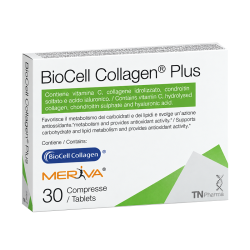
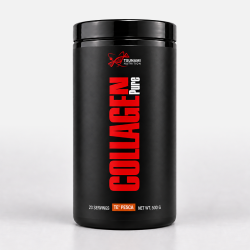
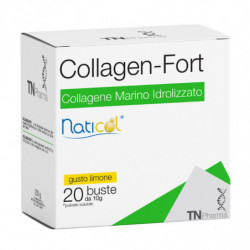
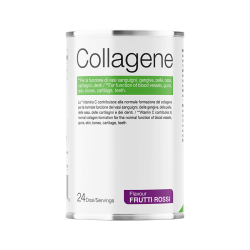
To enjoy the benefits of marine collagen safely and effectively, choose Tsunami Nutrition supplements, formulated with high-quality ingredients to support your skin, joints and general wellbeing every day.