- Health and wellness
- 12538 views

What is collagen and why is it important?
Collagen is a structural protein that occurs naturally in our bodies. It is found particularly in the skin, which is the largest and heaviest organ in the human body. Collagen accounts for around 30 per cent of the total protein in our bodies and 6 per cent of our body weight.
This protein plays several essential roles: providing support, elasticity and firmness to connective tissues.
Its main function is to form strong fibres to support the various connective tissues. Beyond this, it also helps to withstand tension and joint stress. Furthermore, it is a fundamental component in tissue repair and healing: during the healing process, it creates a support network that promotes cell regeneration.
Collagens are classified into three main families: junctional, structural and connective.
What is collagen used for: all the main benefits
Collagen is found in the skin, bones, tendons and cartilage, providing strength, elasticity and firmness to connective tissues. Its main function is to form strong fibres to support the structure of tissues and maintain their shape and tone.
The key benefits of collagen are:
- Supporting joint health by improving flexibility and reducing pain or inflammation
- Strengthening hair and nails, combating brittleness
- Contributing to bone density by preventing bone loss and fragility
- Improved muscle tone, by supporting muscle fibres during physical exertion
- Improved blood circulation, thanks to its presence in blood vessels and connective tissues
The benefits of collagen for the skin, hair and nails
Collagen is essential for building and rebuilding the structural support of skin, hair and nail tissues. Let’s take a look at the potential health and beauty benefits of collagen supplementation for the skin, hair and nails.
Skin:
- Improves elasticity, firmness and tone. Strengthens the connective matrix of the dermis, making the skin feel more ‘firm’
- Reduces wrinkles and fine lines, thanks to increased production of collagen fibres and a ‘plumping’ effect from within
- Improves skin hydration. Helps the skin retain moisture, combating dryness and chapping
- Promotes regeneration in the case of scars, burns or skin lesions, by creating a support network for cells undergoing repair
Hair:
- Strengthens the hair shaft, making it more resilient. Reduces breakage and split ends
- Stimulates growth by supplying the amino acids needed for keratin, thereby promoting the regrowth of healthier hair
- Improves shine and appearance, for thicker, healthier and more vigorous hair, even after exposure to stress (colouring, sun, chemical treatments)
Nails:
- Increases strength and hardness, making them less brittle
- Improves nail regrowth
- Protection against mechanical stress and chemical agents. If you use nail varnish, gels or solvents, taking collagen helps to counteract the damage
Supplementation is particularly beneficial from around the age of 30 onwards, as natural collagen production tends to decline with age. This deficiency can be exacerbated by external factors such as sun exposure, the use of harsh cosmetics, corrosive nail varnishes or chemical hair treatments. Periods of stress or a diet low in essential nutrients (such as vitamin C and zinc) can also reduce the body’s ability to regenerate collagen, making targeted support useful for maintaining healthy skin, hair and nails.
The role of collagen in joints and bones
Collagen is a fundamental component for joint and bone health, as it forms the basis of the connective tissue that covers and supports cartilage, tendons and ligaments.
- In bones: this protein forms the elastic ‘framework’ onto which minerals such as calcium and phosphorus are deposited, supporting strength and solidity and ensuring bone density
- In the joints: collagen ensures elasticity and strength, helping to maintain proper mobility and reducing friction between bone surfaces. With age or as a result of excessive strain, collagen production decreases, causing stiffness, pain and cartilage deterioration, as in the case of osteoarthritis.
By incorporating high-quality collagen from Tsunami Nutrition, you can stimulate the regeneration of cartilage tissue, thereby improving flexibility and reducing inflammation.
The combination of hyaluronic acid and collagen and its effects
The combination of hyaluronic acid and collagen stems from a beauty concept aimed at achieving a more radiant and smooth complexion. The two substances work together to preserve the tone and functionality of tissues.
Both molecules are naturally present in our bodies and already work together within our system to support the structure, elasticity and hydration of the skin, joints and tissues.
Collagen acts as a support network, providing firmness and strength, whilst hyaluronic acid acts as a water reservoir to keep tissues supple and well-hydrated. These two molecules work in synergy to help reduce the appearance of wrinkles, improve skin tone and stimulate cell regeneration.
How to take collagen: types and forms of dietary supplements
Collagen can be taken in various forms, each with specific characteristics in terms of digestibility and bioavailability. The most common collagen supplements come in powder, capsule or single-dose sachet form.
Each format offers different benefits, but the principle remains the same. A daily intake of collagen therefore helps to maintain skin elasticity, strengthen joints and bones, and improve the structure of hair and nails. Discover the features of the best collagen supplements from Tsunami Nutrition!
Hydrolysed collagen: powder or drink?
Hydrolysed collagen, available as a powder or in a ready-to-drink liquid form, is one of the most effective ways to promote the absorption of this protein, which is essential for the skin, joints and connective tissues. Both versions contain easily absorbed collagen peptides, but differ in their concentration and ease of use.
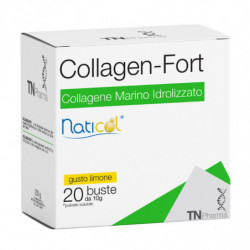
The powder allows you to customise the dose and generally provides a higher amount of pure collagen per serving; simply dissolve it in water, smoothies or juices, as is the case with Tsunami Nutrition’s Collagen Fort
Collagen drinks, on the other hand, are chosen for their convenience: they are ready to drink and often enriched with vitamin C, hyaluronic acid or biotin. Despite this, this format tends to have a lower concentration of collagen
In summary, the choice depends on your lifestyle and personal preferences: those looking for convenience may opt for the liquid form, whilst those seeking a more comprehensive and flexible supplement will prefer the powder form.
The different types of collagen (types 1, 2 and 3)
There are different types of collagen, each with a specific function within our bodies and a fundamental role in the general wellbeing of the skin, joints and tissues.
Let’s take a look at the characteristics of the different types of collagen:
- TYPE I: this is the most abundant type in our bodies and is essential for the health and firmness of the skin, the strength of the hair and the resilience of the nails
- TYPE II: this is beneficial for the health of joints and cartilage as it contributes to flexibility and strength
- TYPE III: it supports the elasticity of connective tissues, working in synergy with the other two types to create a resilient structure within the body
All Tsunami Nutrition products guarantee optimal bioavailability, enabling the body to absorb the active ingredients and maximise their benefits. Hydrolysed collagen is the most effective form as it has already been broken down into small, easily absorbed peptides capable of acting in a targeted manner on the skin, joints or bones.
Is there a vegan alternative to collagen?
There is no true vegan collagen, as this protein is of animal origin, but there are plant-based alternatives that mimic its effects and stimulate the body’s natural production of collagen. These products contain combinations of essential amino acids, vitamins and functional ingredients such as vitamin C, plant-based hyaluronic acid and natural antioxidants, which promote collagen synthesis.
If you decide to opt for a vegan solution, however, you should check for vegan certifications to ensure you are using a product that is both effective and environmentally friendly.
Contraindications and side effects of collagen
Collagen is considered a safe and generally well-tolerated supplement , with no significant side effects when taken at the recommended dosage. However, as with any active substance, it is important to be aware of its limitations and the situations in which you should exercise caution, depending on your state of health. Indeed, it is always advisable to consult your doctor or nutritionist before taking any supplements.
The main contraindications apply to people withallergies to animal-derived foods, as collagen is a protein extracted from bovine or marine sources. Furthermore, those suffering from kidney or liver disorders, or who are undergoing specific pharmacological treatments, should exercise greater caution. In some cases, particularly when first starting to take it, it may cause mild gastrointestinal discomfort.
Does collagen make you put on weight?
No, taking collagen does not cause weight gain, as it is a pure protein containing no fat or sugar. On the contrary, it can help maintain lean body mass and support metabolism, promoting a more toned appearance.
Collagen provides essential amino acids for tissue repair and the maintenance of muscle and joint structure. In short, effective supplementation helps the body function more efficiently. Product quality is essential: choosing a hydrolysed collagen with high bioavailability, such as the supplements from Tsunami Nutrition, ensures excellent absorption and a healthy nutritional profile.
Is collagen bad for the liver or the thyroid?
Collagen is not harmful to either the liver or the thyroid when taken at the recommended doses. It is a natural protein, generally well tolerated by the body, which contains no substances that could directly interfere with liver or thyroid function.
However, for those with a diagnosed liver or thyroid condition, or who are undergoing medical treatment, it is always advisable to consult a doctor to avoid any potential interactions with other substances or unforeseen requirements.
Who should not take collagen?
Not everyone can take collagen without taking precautions. In particular, those with allergies to animal proteins should be cautious, as most supplements are derived from bovine or marine sources.
Furthermore, it is not recommended for those suffering from kidney or liver disorders, or for those undergoing specific medical treatments. Even during pregnancy or whilst breastfeeding, it is important to consult a doctor before starting any form of supplementation.
In general, collagen is safe, but professional advice is always recommended to avoid risks and maximise beneficial results.
Frequently Asked Questions
How long does it take for collagen to take effect?
Collagen does not work immediately. To notice significant changes in the skin, joints, hair and bones, regular and continuous use is necessary, supported by a good diet and a healthy lifestyle. In most cases, it has been found that noticeable improvements appearafter around 8 weeks of daily use.
Effectiveness certainly depends on the quality of the collagen, the type (i.e. whether it is hydrolysed or not), the dosage and how regularly it is taken. Choosing a hydrolysed product with high bioavailability, such as those from Tsunami Nutrition, helps to achieve tangible results.
When is it best to take collagen?
Collagen can be taken at various times of the day, but there are a few tips to help maximise its benefits. Many experts suggest taking it on an empty stomach in the morning, dissolved in water or juice; this allows the body to easily absorb the supplement’s nutritional properties.
Others prefer to take it after meals, alongside a source of vitamin C, which promotes the body’s natural synthesis of collagen.
The most important thing, regardless of the time of day, is to maintain a daily routine: consistent intake ensures a continuous supply of the essential amino acids needed to synthesise collagen within the body over the long term.
Choosing a Tsunami Nutrition collagen product, taking it regularly and following the correct instructions for use means supporting the health of your skin, joints and tissues in a natural and targeted way, helping to maintain firmness, elasticity and well-being over time.