- Health and wellness
- 4455 views
How peanut butter affects digestion
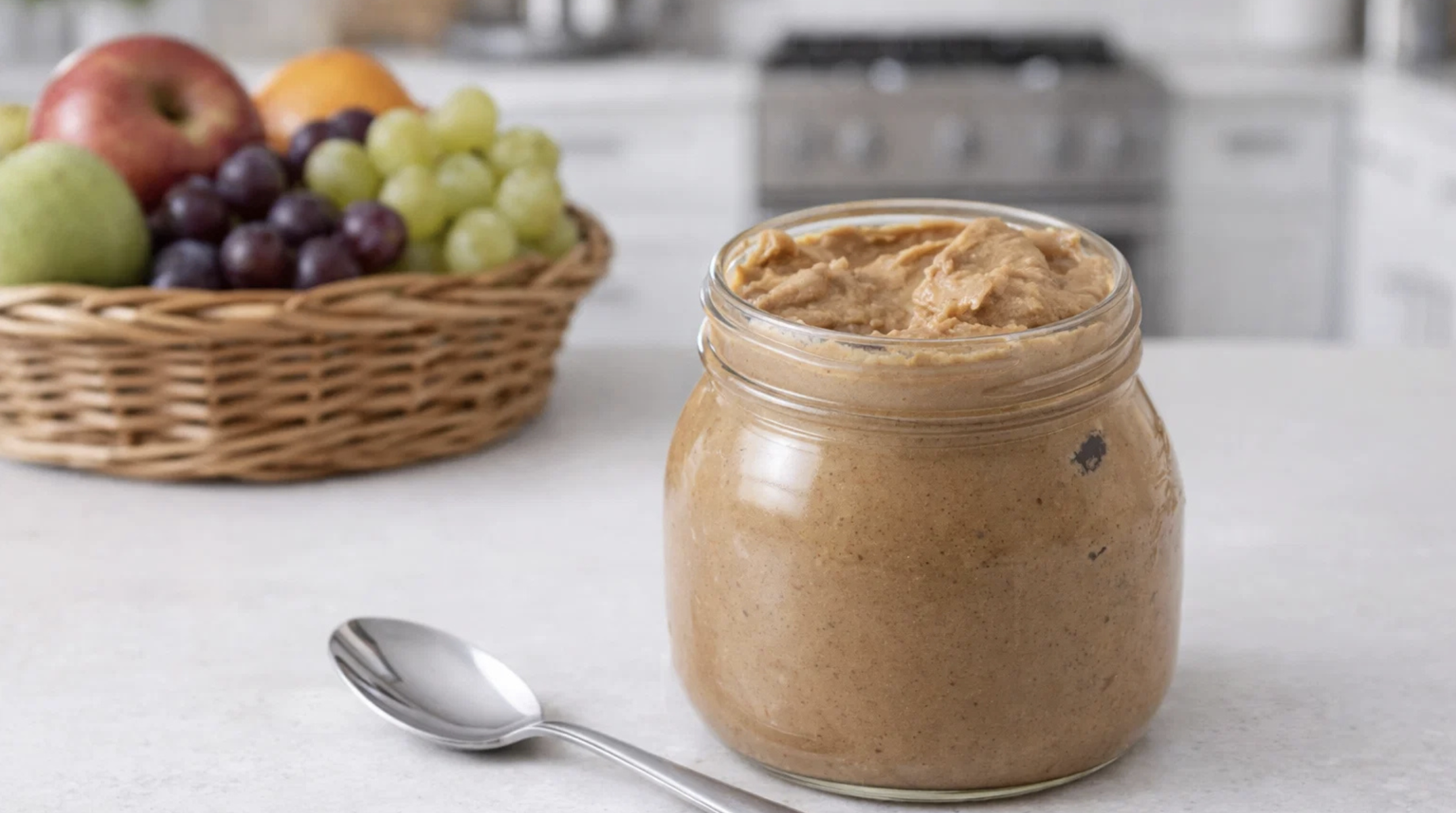
Peanut buttercontains a significant amount of plant-based protein and fat, as well as a good proportion of fibre. The digestive response varies depending on the quantity consumed, the quality of the product and individual sensitivity.
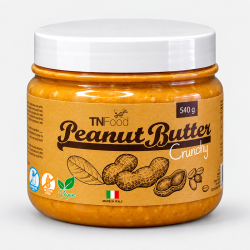
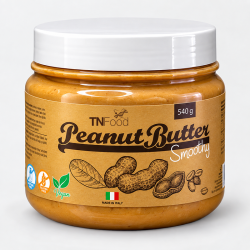
The Italian version of peanut butter is becoming increasingly popular: it contains no palm oil, no hydrogenated fats and no added sugars. The result is a peanut spread with a clean label and a complete, healthy nutritional profile.
There are various types of peanut butter: click here to discover the best options from Tsunami Nutrition!
Peanut butter is rich in healthy fats and protein, which tend to slow down digestion and gastric emptying, promoting a greater feeling of fullness and slower digestion. If you choose a 100% natural variety, it provides fibre that helps regulate bowel movements and supports general wellbeing; however, if you opt for products packed with added sugars or oils, they may be harder to digest and lead to abdominal bloating.
When consumed in moderation and as part of a healthy diet and lifestyle, peanut butter can be well tolerated by the body and help maintain healthy digestive function.
Laxative and astringent effects of peanut butter
Peanut butter is not known for having laxative or strongly astringent effects. However, it may affect bowel movements if consumed in excessive amounts and depending on individual sensitivity.
In its 100% peanut form, it can have a regulating effect on digestion, particularly when combined with a healthy lifestyle and a diet rich in water and dietary fibre. However, if consumed in excessive quantities, it can slow down digestion and cause a feeling of heaviness and abdominal bloating.
A normal portion of peanut butter is up to 30–45 g, or about 3 teaspoons, ideally eaten with bread or crackers. In general, peanut butter has a neutral-regulating effect: in other words, its effect on digestion depends mainly on the amount consumed and the overall dietary context.
Frequently asked questions
What quantities of peanut butter can have a laxative effect?
Consuming more than 50 to 60 g of the product – equivalent to more than 5 teaspoons of peanut butter – may increase bowel motility, particularly in sensitive individuals. Very often, the symptoms include abdominal heaviness and bloating, which can progress to a laxative effect in the most severe cases – though these remain rare.
What are the alternatives to peanut butter for those looking for a laxative effect?
If you’re looking for a laxative effect, the best alternatives are:
- Prunes: rich in fibre, and among the best-known remedies;
- Kiwis: rich in soluble fibre to aid bowel movement;
- Pears and figs: rich in fibre and water.
Hydration plays a very important role, and a lack of water can even make constipation worse; it is advisable to drink at least 1.5 to 2 litres of water a day.
Can peanut butter be eaten by those suffering from constipation or diarrhoea?
There are specific guidelines and recommended amounts for those suffering from constipation or diarrhoea who wish to include peanut butter in their diet.
- In the case of constipation: if you consume Tsunami Nutrition’s 100% peanut butter, it may have mild regulating effects, particularly when incorporated into a diet rich in water, fruit and vegetables. Admittedly, it does not help to resolve constipation, but if consumed in small quantities (1 teaspoon per day), it can promote bowel movement;
- In the case of diarrhoea: if you experience acute bouts of diarrhoea, it is best to avoid eating peanut butter, as it can be difficult to digest. During the recovery phase, small amounts of the product in its most natural form may be tolerated.
Peanut butter is generally well tolerated when consumed in moderation, although it is not a specific remedy for diarrhoea or constipation. It is always advisable to seekthe advice of a healthcare professional to avoid causing unwanted bowel problems. And if you’d like to try two other Tsunami Nutrition butters, why not give the 150 g Almond Butter and the 100% Pistachio Butter (150 g) a go now?