- Health and wellness
- 2634 views
Understanding vaginal dryness and its causes
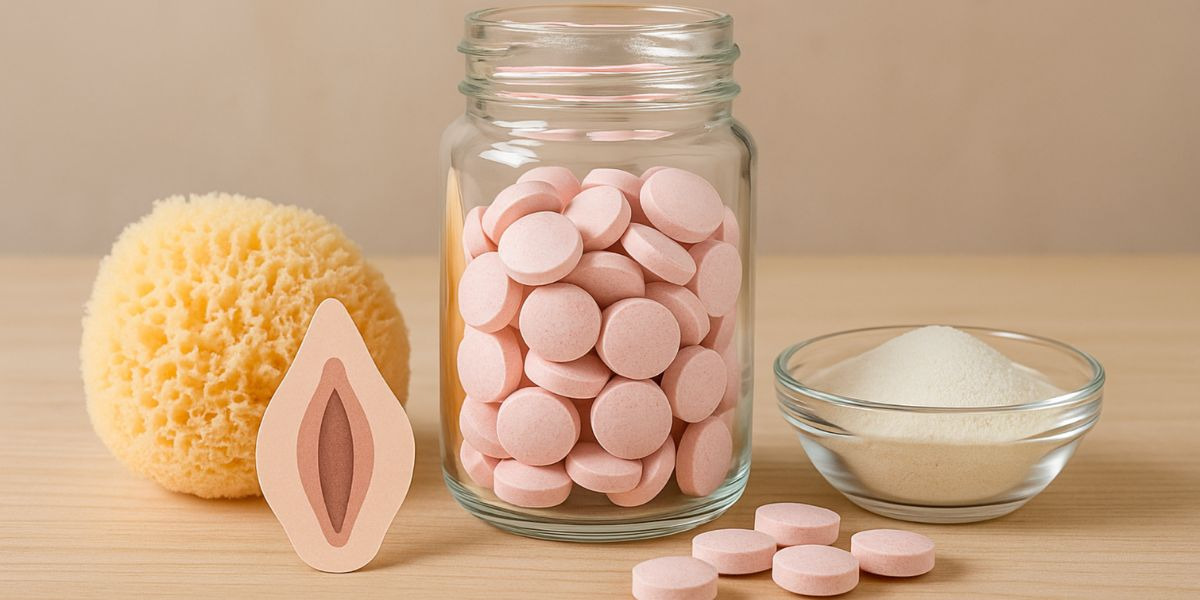
Vaginal dryness is a very common condition, particularly during the perimenopausal and menopausal years, but it can also occur during a woman’s childbearing years. It manifests as a burning sensation, itching, pain during intercourse, everyday discomfort and a feeling of extreme dryness. Among the most widely discussed remedies today are collagen-based supplements, often combined with hyaluronic acid, due to their potential role in tissue hydration and elasticity. Collagen is not a substitute for a gynaecological assessment, but it can provide valuable support as part of a comprehensive strategy.
Vaginal dryness occurs when the vulvovaginal mucous membranes produce fewer secretions and lose thickness, elasticity and moisture. This can cause a burning sensation, tingling, pain during sexual intercourse, micro-lesions and increased fragility. The causes are varied: a drop in oestrogen levels (menopause, perimenopause, breastfeeding, certain hormone therapies), the use of medication (such as certain contraceptives, antidepressants, antihistamines and cancer treatments), stress, chronic fatigue, smoking, alcohol, a diet low in nutrients, poor hydration, a sedentary lifestyle, the use of harsh cleansers, vaginal douches, synthetic and overly tight underwear, as well as certain medical conditions such as thyroid disorders or autoimmune diseases. For many women, dryness is part of the genitourinary syndrome of the menopause, which affects the vulva, vagina and urinary tract.
The role of the menopause and hormonal imbalances
Menopause and hormonal imbalances are among the main factors contributing to vaginal dryness. As oestrogen levels fall, the production of collagen and hyaluronic acid in the tissues decreases. The vaginal lining becomes thinner, less elastic, less lubricated and more sensitive. This link between collagen, hormones, hydration and elasticity is key: lower oestrogen levels mean a physiological reduction in collagen, leading to a loss of tone and comfort, even in the intimate areas. A hormonal imbalance can also occur during childbearing years, for example after childbirth, whilst breastfeeding, after stopping the contraceptive pill, or in the presence of endocrine disorders, causing similar symptoms of dryness and discomfort.
Other factors: stress, medication and lifestyle
In addition to hormonal factors, there are other factors that can exacerbate vulvovaginal dryness. Chronic stress and elevated cortisol levels can negatively affect hormonal balance and the inflammatory response. Certain medicines can reduce natural lubrication. A poor diet, dehydration, smoking and alcohol consumption compromise the quality of microcirculation and collagen production. The use of overly harsh cleansers, intimate fragrances, non-breathable sanitary protection and very tight-fitting clothing can also further irritate and dehydrate the tissues. To alleviate intimate dryness, it is important to address these factors alongside the possible use of specific supplements.
The benefits of collagen for intimate health
Collagen is the main structural protein in connective tissues: it supports the skin, mucous membranes, blood vessel walls and deep tissues. In the vulvovaginal area, it contributes to the thickness of the mucous membrane, its firmness, elasticity and ability to withstand micro-trauma. Adequate collagen levels promote better tissue nutrition and a more effective barrier. Hydrolysed collagensupplements are known for their role in supporting skin hydration and elasticity; this principle can be extended, as indirect support, to intimate tissues as well, particularly when used in synergy with an appropriate local treatment strategy.
Collagen-based supplements from Tsunami Nutrition and Tn Pharma (also combined with vitamin C and hyaluronic acid) are suitable for combating vaginal and intimate dryness, particularly during perimenopause and the menopause. They support tissue hydration and elasticity, helping to improve comfort in daily life and during sexual intercourse. They can be used alongside topical gels/lubricants and in accordance with a gynaecologist’s recommendations as part of a holistic approach. Let’s now look at how they work, which ones to choose and how best to take them.
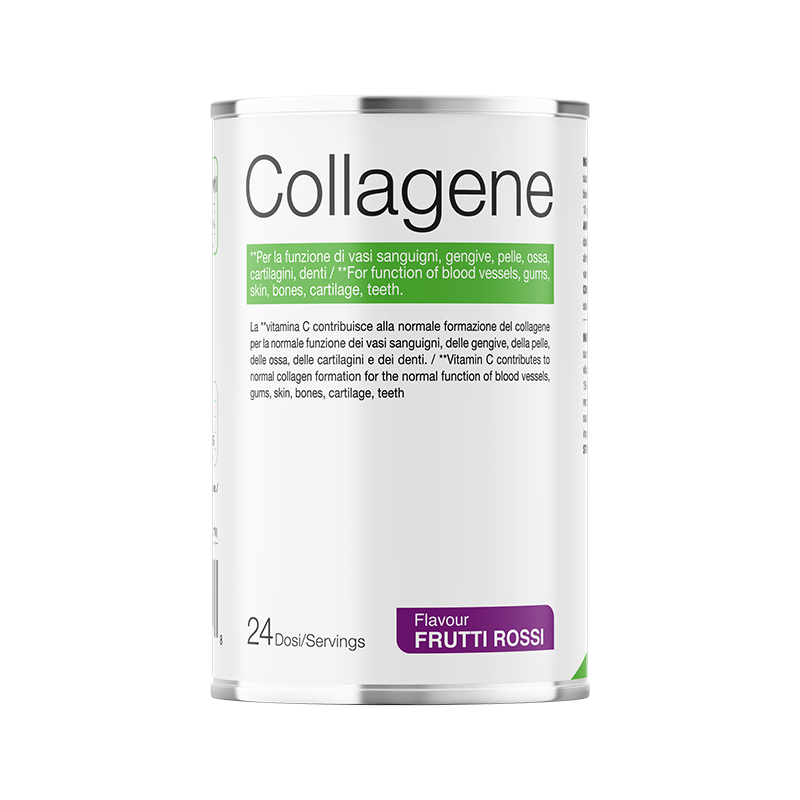
Collagen + Vitamin C by TN Pharmais a powdered supplement containing highly bioavailable hydrolysed bovine collagen. It supports the skin, bones, joints and cartilage, as well as blood vessels, gums and teeth. Vitamin C stimulates the body’s natural collagen synthesis and protects against oxidative stress.
It improves the skin’s elasticity and firmness, helping to combat the signs of ageing. It supports joint and musculoskeletal function: ideal for sportspeople and active individuals. It promotes the strength of tendons and ligaments, as well as the regeneration of connective tissues.
Recommended for those aged 30 and over, in cases of physical stress or nutritional deficiencies, for all-round wellbeing. Gluten-free and lactose-free; red berry flavour; soluble in water, juices or smoothies.
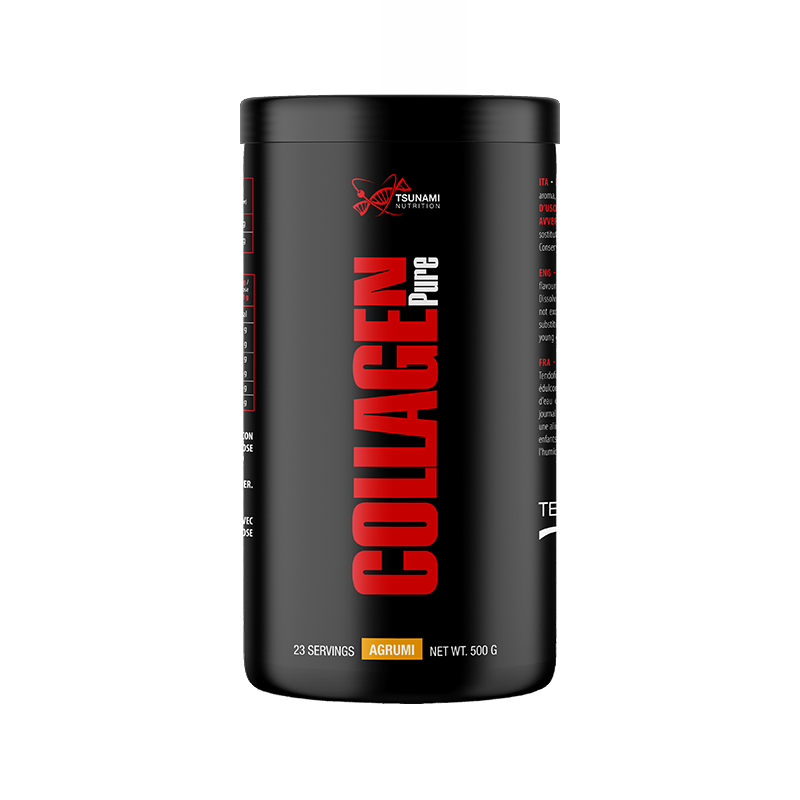
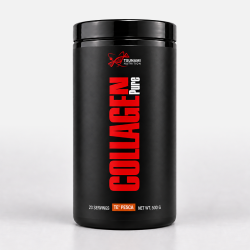
Collagen Pure Professional is a patented hydrolysed collagen supplement for joint and muscle wellbeing. Formula containing BODYBALANCE® and TENDOFORTE® bioactive peptides for stronger, more flexible tendons and ligaments. It supports lean body mass and body composition, making it ideal for athletes and for those aged 35 and over.
It contributes tothe hydration and elasticity of the skin and hair for a more toned appearance. High-bioavailability peptides: high purity and solubility for effective absorption.
The collagen from Tsunami Nutrition’s PROFESSIONAL range is available in Peach Tea, Citrus and Raspberry flavours, which are pleasant and leave no aftertaste. Useful when stress, diet and lifestyle reduce the body’s natural collagen production.
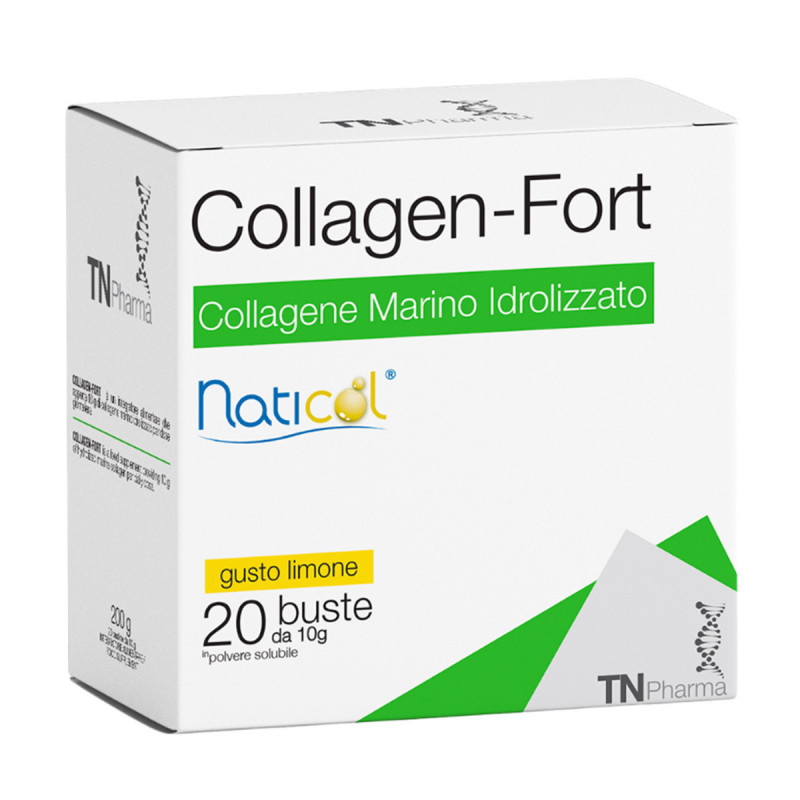
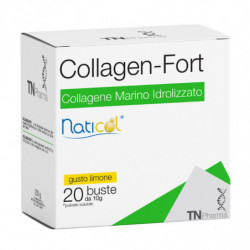
Collagen-Fort by Tsunami Nutrition with high-bioavailability Naticol® hydrolysed marine collagen. Promotes cell renewal in the skin, joints, tendons and ligaments.
It improves skin hydration, elasticity and firmness; it helps reduce fine lines and wrinkles. Musculoskeletal support: strength, mobility and recovery in synergy with physical activity.
European-sourced raw material, unique peptide profile; protein purity ≥93%; soluble, colourless, odourless. In handy sachets; natural formulation, GMO-free, free from fats, carbohydrates, preservatives and purines.
Gluten-free and lactose-free; suitable for daily use from the age of 30–35.
How collagen improves tissue elasticity and hydration
Hydrolysed collagen consists of easily absorbable peptides. Once ingested, these peptides can stimulate fibroblasts to produce new collagen, elastin and substances essential for retaining water in the tissues. Over time, this can result in improved elasticity, a firmer structure and better ‘basic’ hydration. When applied to the issue of intimate dryness, collagen can help support the quality of the vulvovaginal connective tissue, alongside gels, creams, topical moisturisers and, where necessary, treatments prescribed by a gynaecologist.
Support against vulvovaginal atrophy
Vulvovaginal atrophy, often linked to the menopause, is characterised by a thinning of the mucous membranes, a loss of elasticity, dryness, a burning sensation and pain during intercourse. The standard treatments remain local oestrogen-based therapies (where indicated) and moisturising and restructuring vaginal gels, often containing hyaluronic acid and other active ingredients that help regenerate tissue. In this context, collagen is not a direct remedy for atrophy, but it can be considered as a complementary support to improve the overall quality of the tissues, always under the supervision of a specialist.
How to take collagen for vaginal dryness
Collagen supplements can be particularly useful when the aim is to support collagen levels, hydration and elasticity in general, for example during the menopause or in cases of widespread dryness.
Collagen and hyaluronic acid supplements
You can choose supplements based on hydrolysed collagen, available in powder or tablet form, favouring products with clear dosage information and high-quality raw materials. The most beneficial formulations for women experiencing vaginal dryness are those that combine collagen and hyaluronic acid, vitamin C (essential for collagen synthesis), vitamin E, zinc, copper, biotin and antioxidants. The key is consistency: taking a daily dose for a few weeks or months, alongside a healthy lifestyle and good hydration, helps to maximise the benefits. If you are undergoing hormone therapy, taking long-term medication or have any medical conditions, it is always advisable to discuss this with your doctor before starting a new supplement.
The effectiveness of topical gels and creams
To tackle vaginal dryness directly, local treatments are essential. Vaginal gels containing hyaluronic acid help to moisturise the mucous membrane, improve elasticity and comfort, reduce burning and micro-lesions, and can also be used on a continuous basis. Water-based intimate lubricants, free from fragrances and irritating ingredients, reduce friction during intercourse and provide immediate relief. Soothing vulvar creams, containing emollient and protective active ingredients, support the outer skin barrier. These products act on the surface, whilst collagen supplements work from within: this combination can offer more comprehensive support against intimate dryness.
Frequently Asked Questions
What supplements are recommended for intimate dryness?
There is no single supplement that works for everyone, but it may be helpful to look for products containing hydrolysed collagen with vitamin C, collagen combined with hyaluronic acid, formulas enriched with vitamin E and antioxidants, possibly omega-3s to support inflammatory balance, and in some cases specific probiotics for vaginal balance (always on medical advice). Supplements should be regarded as a form of support and not as a substitute for prescribed treatments for atrophy or infections.
What can be taken to relieve vaginal dryness?
To relieve vaginal dryness, a combined approach is helpful. You can use moisturising gels and lubricants specifically designed for the intimate area, vaginal gels containing hyaluronic acid and restructuring active ingredients, local treatments prescribed by a gynaecologist in cases of genuine vulvovaginal atrophy, collagen- and hyaluronic acid-based supplements to support collagen, hydration and tissue elasticity, combined with lifestyle changes: drinking enough fluids, not smoking, choosing gentle cleansers, avoiding harsh vaginal douches and wearing cotton underwear.
How can vulvar atrophy be improved?
Vulvovaginal atrophy should always be managed with the support of a gynaecologist. Options include local oestrogen therapy where not contraindicated, vaginal gels containing hyaluronic acid and moisturising and restorative ingredients, specific lubricants for sexual intercourse, pelvic floor physiotherapy and lifestyle changes. Collagen can be incorporated as nutritional support to promote long-term tissue health, but it is not a substitute for targeted therapies where these are required.
Is collagen effective for vaginal dryness during the menopause?
Hydrolysed collagen is known for its benefits in terms of hydration, elasticity and density of skin tissue. In the context of the menopause, it can be seen as an ally in supporting tissues, including the intimate area, particularly when combined with hyaluronic acid and a good local skincare routine. However, specific evidence regarding collagen and vaginal dryness is still limited, and collagen should be properly presented as a complementary support, rather than as a miracle cure or a standalone solution. For severe symptoms, pain or bleeding, an assessment by a specialist is always essential.