- Alimentation
- 1016 views
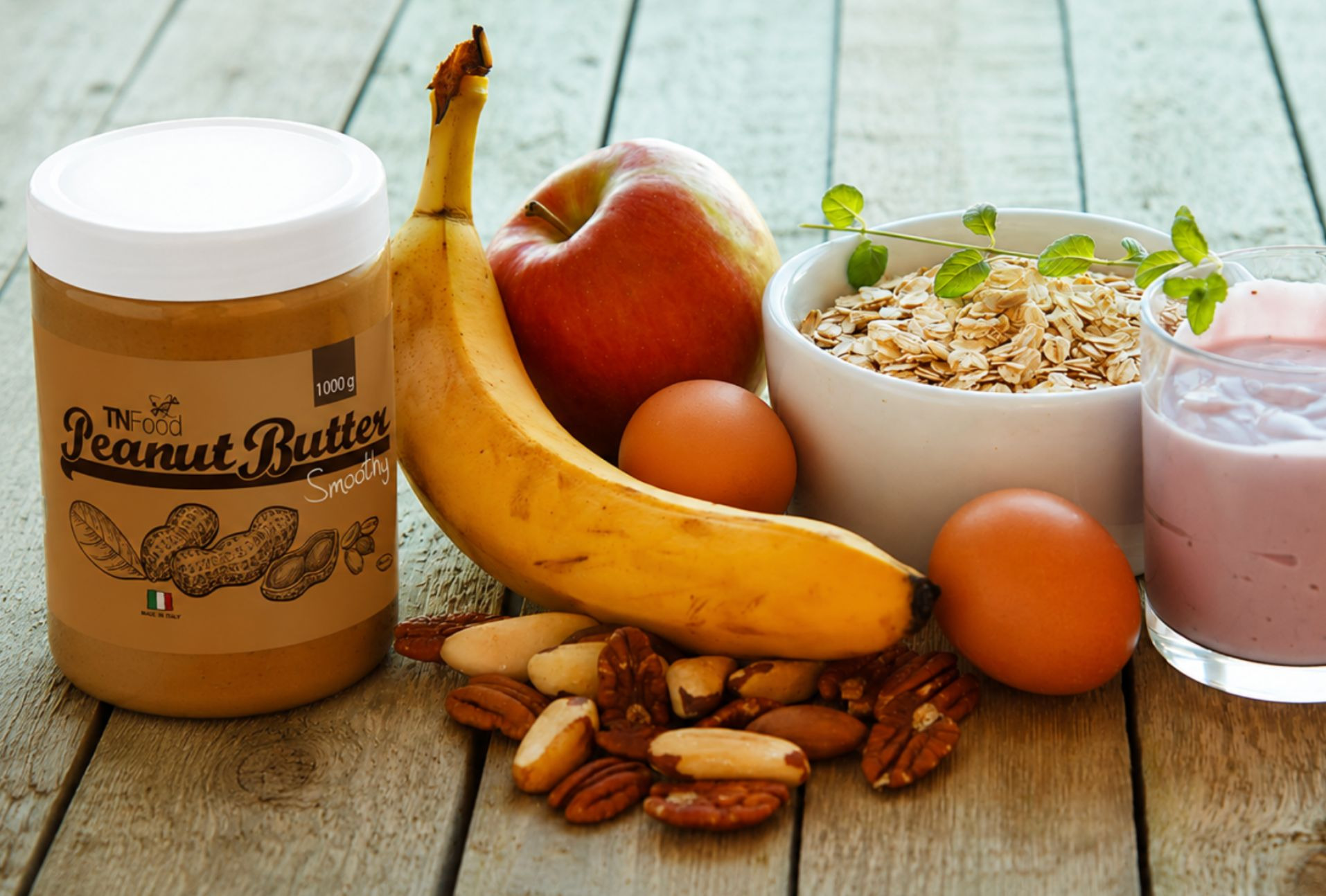
Properties and benefits of peanut butter
Peanut butter is a nutrient-rich food, valued for its high content of protein, unsaturated fats, fibre, vitamins and minerals. In its most natural form, it is a very valuable addition to a healthy, balanced diet.
Among the main properties and benefits of peanut butter are:
- A source of plant-based protein: helps maintain and build muscle mass;
- Rich in unsaturated fats: to support cardiovascular health;
- Highly satiating: thanks to its combination of protein, fibre and fats, it helps prolong the feeling of fullness;
- Energy boost: it is a high-calorie, nourishing food for those who need a higher energy intake;
- Contains vitamins and minerals: it provides nutrients such as vitamin E, magnesium, phosphorus and potassium.
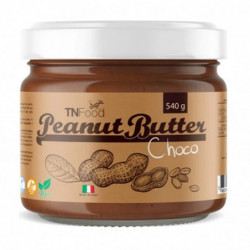
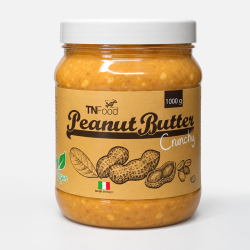
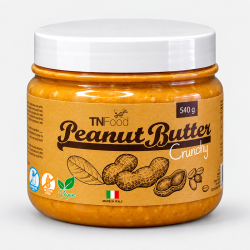
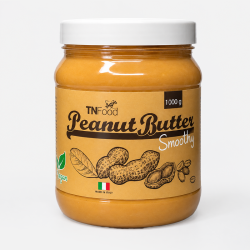
To ensure a healthy diet, it is advisable to choose natural peanut butter made from the finest quality ingredients, such as the Tsunami Nutrition peanut butters from the TN Food range, rather than the more common supermarket products which often contain added sugars, fats and unnecessary added ingredients.
Peanut butter for breakfast
Breakfast is the most important meal of the day; it’s also an excellent idea to start the day with peanut butter: a nutritious, tasty and filling meal, containing protein, healthy fats and fibre, to provide energy and keep you feeling full for longer, especially when paired with balanced foods such as bread or fruit.
Average nutritional values recommend a portion of one or two teaspoons of peanut butter at most, which can be accompanied by a drink such as milk, coffee and fresh fruit, or fruit juice.
Peanut butter is one of the most versatile ingredients for breakfasts and snacks. Spread on a crunchy base, paired with fresh fruit or used to enrich soft, indulgent dishes, it helps create balanced combinations, rich in protein and healthy fats. For simple, satisfying meals that give you a real energy boost from the very first bite!
A breakfast fit for champions from Tsunami Nutrition? Let’s take a look at three easy breakfast recipes featuring peanut butter:
- A classic favourite: a slice of toast with peanut butter, served with a piece of fruit, for a simple, tasty and satisfying breakfast;
- Homemade desserts: it’s also perfect in homemade muffin and cake mixtures. It’s very simple to use: depending on the recipe, you can replace the fats usually used with an equivalent amount of peanut butter.
- Peanut butter cheesecake: a traditional American dessert,peanut butter can be used both for the base – with crumbled biscuits and chopped peanuts – and to enrich the flavour of the filling, combined with a creamy cheese.
The recommendeddaily intake of peanut butter isaround 30 grams. Peanut butter is high in calories but, thanks to its content of essential nutrients, it can be considered a healthy food for those who lead an active lifestyle and need a targeted energy intake.
Combining it with yoghurt
Yoghurt, which is becoming increasingly popular for breakfast and as a snack, pairs perfectly with peanut butter. In particular, Greek yoghurt, which is naturally high in protein and low in sugar, is a nutritious and balanced choice for creating a tasty and filling meal.
Peanut butter and yoghurt are one of the most popular combinations, thanks to the contrast between the intense flavour of the peanuts and the freshness of the yoghurt. What’s more, this allows you to get protein, healthy fats and fibre all in one meal, increasing the feeling of fullness.
Especially when paired with a source of carbohydrates such as fruit, porridge or cereal, they make for a balanced and nourishing combination, providing a complete energy boost and greater satiety.
Bread and peanut butter
Bread with peanut butter is a classic combination for breakfast or as a nutritious snack. Bread provides useful carbohydrates as a source of energy, whilst peanut butter contributes protein, unsaturated fats and fibre, helping to make the meal more complete and satisfying.
Choose bread from the TN Food range and pair it with peanut butter, in your favourite flavours, for a breakfast or snack fit for a true PRO. Top it off with jam, honey or fresh fruit to create a tasty, balanced and energy-packed treat. A slice of toasted white bread with peanut butter provides around 185 calories (kcal). The most complete solution, both before a workout and for recharging your batteries throughout the day.
Quick and healthy recipes
Here are a few quick and healthy recipes to try at any time of day.
A classic twist is to combine peanut butter with fresh fruit such as apples and pears, for a quick and filling snack. Peanut butter also goes perfectly with a slice of bread and a little jam for a guaranteed energy boost.
Another popular and easy-to-make snack is a protein smoothie – simply add a spoonful of peanut butter to your smoothie. A handy solution for a quick and nourishing afternoon treat!
Peanut butter pancakes are the most popular healthy recipe, loved for their simplicity and delicious taste! With TN Food pancakes, you can make the most of your snack: once you’ve mixed the batter until smooth, simply cook the pancakes in a frying pan for a few minutes and top them with fresh fruit, honey, yoghurt or peanut butter cream.
How to eat peanut butter whilst on a diet
Peanut butter can also be included in a low-calorie diet, provided it’s eaten in the right amounts.
Although it is a high-calorie food, its protein, fibre and unsaturated fats can help increase feelings of fullness and make meals more satisfying – provided they are always planned and controlled – to avoid sudden cravings between the meals scheduled as part of your diet.
To incorporate it into a diet, it can be used in small quantities, for example:
- For breakfast: added to Greek yoghurt, porridge or protein pancakes;
- As a snack: combined with fresh fruit such as a banana or an apple;
- Before or after a workout: with a source of carbohydrates for a more complete energy boost;
- In savoury recipes: as an ingredient in light sauces made with vegetables, chicken or tofu.
For a choice better suited to a balanced diet, it’s best to opt for 100% natural peanut butter, with no added sugars, vegetable oils or unnecessary ingredients. Choose peanut butters from the TN Food range for a unique taste and optimal nutrient absorption!
Recommended quantities and portions
Peanut butter is a nutritious food but also quite high in calories; that’s why it’s important to incorporate it into your diet in quantities best suited to your needs. There is no one-size-fits-all serving size: consumption depends on your energy requirements, personal goals and the composition of your diet.
Generally speaking, a recommended portion can range from 10 g to 30 g per day, which is roughly equivalent to 1–2 tablespoons, to be included as part of balanced meals or snacks.
Some examples of how to use it:
- 10–15 g: ideal for adding to yoghurt, a smoothie or a slice of bread;
- Around 20 g: a suitable amount for a more substantial breakfast or snack;
- 30 g: particularly suitable for those with higher energy requirements, such as athletes or people with a high calorie expenditure.
To get the most out of its benefits, it is advisable to choose a peanut butter from the TN Food range by Tsunami Nutrition, with no added sugars or vegetable oils, and to treat it as part of your daily fat intake within a varied and balanced diet.
Peanut butter and jam in a diet
The combination of peanut butter and jam is a tasty and nutritious pairing , often enjoyed for breakfast or as a snack. The slightly salty flavour of the peanuts complements the sweetness of the jam, creating a balanced mix of healthy fats, protein and carbohydrates for a unique taste.
Even when following a low-calorie diet, this combination can be easily incorporated, provided you pay attention to the quantities and the quality of the ingredients chosen.
Peanut butter helps increase feelings of fullness thanks to its protein, fibre and unsaturated fat content, whilst jam provides readily available carbohydrates, which are particularly useful at times when you need a boost of energy.
Sweet and savoury combinations
Peanut butter is an extremely versatile ingredient, capable of enhancing both sweet and savoury dishes thanks to its intense flavour and creamy texture.
In sweet combinations , it pairs perfectly with jam, honey, banana, fresh fruit, yoghurt, oats, pancakes and chocolate, creating nutritious and flavourful breakfasts and snacks.
In savoury cooking, it can add an original touch to a variety of recipes: for making spicy sauces, vegetable dressings, and dishes featuring chicken, tofu, noodles and soups with an exotic flavour.
Its slightly toasty note helps create an interesting balance between sweet, savoury and spicy flavours.
Combinations with fruit
Peanut butter and fruit make a simple yet delicious combination, perfect for breakfast, snacks or pre- and post-workout treats. The creaminess of the peanuts blends with the natural sweetness of the fruit, creating a balanced mix of energy, fibre, healthy fats and nutrients.
Among the most popular combinations is banana and peanut butter, a classic pairing ideal for smoothies, pancakes or quick snacks; but apples, strawberries, red berries and pears also go down a treat with its rich flavour.
For an extra touch of flavour, you can add cinnamon, yoghurt or oats, creating nourishing and easy-to-make dishes.
Uses in savoury recipes
Peanut butter can also be used in savoury recipes, thanks to its creamy, slightly salty flavour derived from the peanuts. It pairs well with spicy ingredients, vegetables, meat and Asian dishes.
- Sauces and dressings: mixed with soya sauce, lime, ginger or chilli;
- Asian cuisine: a staple ingredient for sauces to serve with noodles, rice, chicken or tofu;
- Marinades: added to spices and herbs to marinate meat, fish or plant-based alternatives;
- Creamy soups and broths: adds creaminess and a more intense flavour to vegetable or pulses-based soups;
- Sandwiches and flatbreads: can be used with savoury ingredients such as chicken, grilled vegetables or cheese;
- Protein-rich dishes: excellent for adding richness to poke bowls, hearty salads and post-workout meals.
When to eat peanut butter
Peanut butter can be eaten at various times of the day, depending on your nutritional needs. Thanks to its protein, unsaturated fat and fibre content, it can help make every meal of the day more complete and satisfying.
- At breakfast, it’s delicious with wholemeal bread, yoghurt, porridge or pancakes;
- As a snack, it can be combined with fresh or dried fruit for a nourishing treat.
For those who exercise, it can also be eaten before a workout with a source of carbohydrates to provide energy, or after a workout as part of a balanced meal to support recovery.
The amount and the best time to eat it depend on your own energy requirements and the rest of your daily diet.
Before or after a workout
Peanut butter can be eaten both before and after a workout; choose the most suitable time based on your goals and the rest of your diet.
- Before training: it can help provide long-lasting energy, especially when combined with a source of carbohydrates such as a banana, wholemeal bread or oats. It is advisable to eat it some time before physical activity to aid digestion.
- After training: it can be included in a balanced meal containing protein and carbohydrates, helping with energy recovery and meeting your daily nutritional requirements.
The choice therefore depends on your needs: those looking for energy before exercise can combine it with carbohydrates, whilst those wishing to support their recovery can include it in a post-workout snack.
Quick, energy-boosting snacks
Peanut butter is a highly versatile ingredient for creating simple, quick and nutritious snacks, thanks to its protein, healthy fats and fibre content. It can be combined with various foods to create tasty and balanced combinations throughout the day.
Some of the most popular ideas include wholemeal bread with peanut butter and jam, yoghurt with fruit and peanut butter, a banana with peanut butter spread, protein smoothies or quick pancakes.
These are practical options for breakfast, as a pre-workout snack or as an energy boost.
Contraindications and precautions
Peanut butter is safe for most people, but there are a few important considerations.
The main contraindication applies to people with a peanut allergy, one of the most common food allergies: in such cases, consumption must be strictly avoided.
As it is high in calories and fat, it is advisable to consume it in quantities appropriate to your energy requirements, particularly if you are on a low-calorie diet.
Frequently Asked Questions
Why does peanut butter help with weight loss?
Peanut butter is not a slimming food in the strict sense, but it can be a valuable ally in weight management when incorporated into a balanced diet. Thanks to its protein, fibre and unsaturated fat content, it helps increase feelings of fullness and can help reduce cravings for snacks that aren’t very nutritious.
If you’re trying to lose weight, it’s worth checking out the snacks, treats and drinks from Tsunami Nutrition!
How many teaspoons of peanut butter can you eat per day?
The recommended amount of peanut butter depends on your energy requirements, personal goals and the rest of your diet.
Generally speaking, a typical serving size can range from 1 to 2 tablespoons a day, which is roughly equivalent to 2–4 teaspoons (10–30 g).
Can you eat peanut butter during pregnancy?
Yes, peanut butter can be eaten during pregnancy provided there is no peanut allergy or specific medical advice to the contrary. As part of a balanced diet, it can provide a source of protein, unsaturated fats, fibre and minerals that help meet the nutritional needs of the expectant mother.
How should peanut butter be eaten?
Peanut butter can be eaten in various ways, as part of a balanced diet and in quantities suited to your needs. It is a versatile food that can be: spread on wholemeal bread or crispbread, added to yoghurt, porridge, smoothies and pancakes, or used to prepare sweet and savoury recipes.
Peanut butter is a nutritious food that can be enjoyed at many times of the day, from breakfast and snacks right through to sweet and savoury dishes.
The key to getting the most out of it is to choose a high-quality product and consume it in quantities suited to your needs. Whether paired with fruit, yoghurt or wholemeal bread, or used to create new recipes, peanut butter can be a valuable addition to a varied and balanced diet.