- Health and wellness
- 18209 views
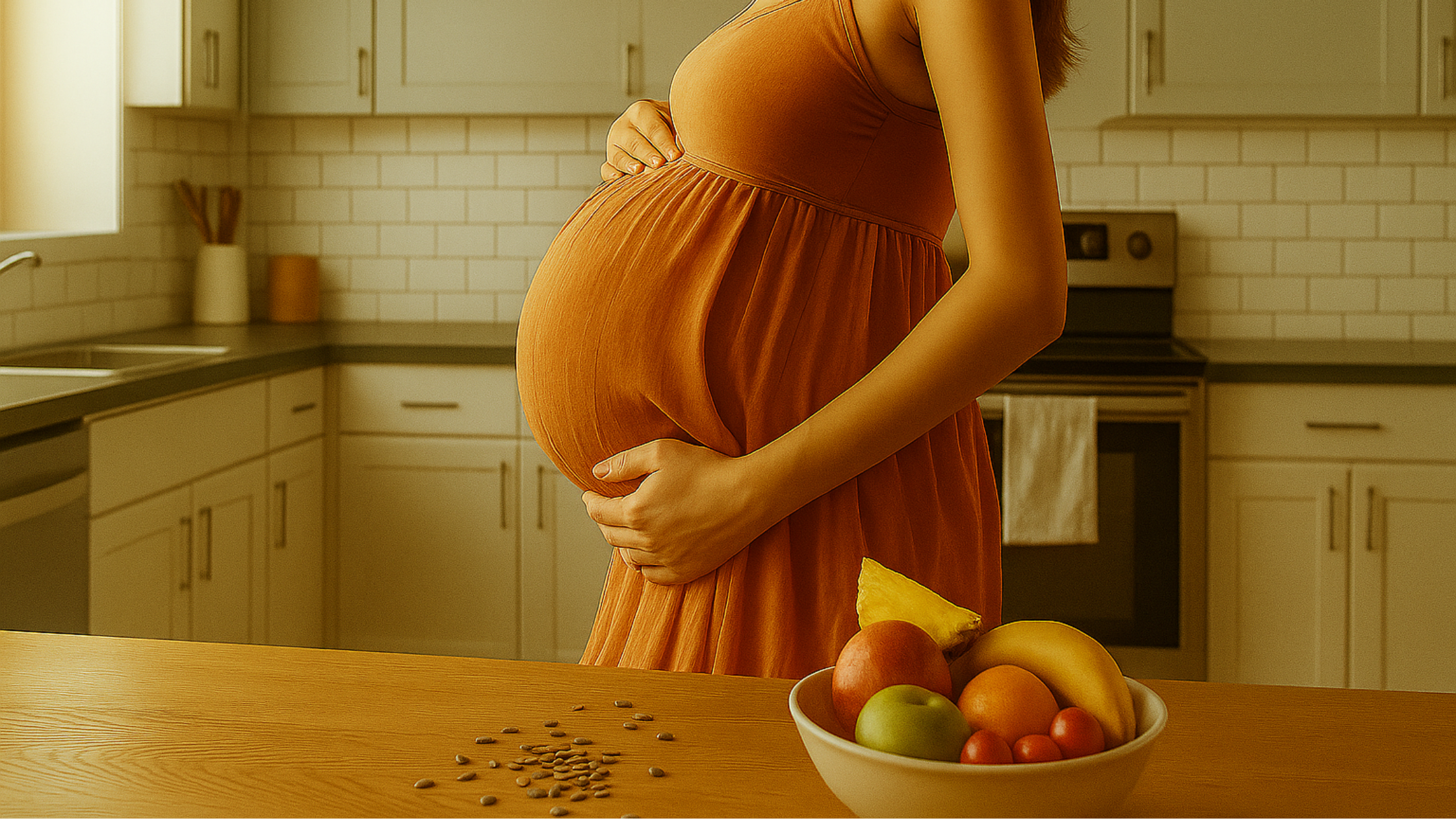
Bromelain during pregnancy: is it safe? Risks and advice
Bromelain is a natural enzyme mainly extracted from the pineapple stem, making it a valuable resource as it is a by-product of the fruit. The fruit’s flesh also contains this enzyme, but in smaller quantities. It has been a valued resource since the days of folk medicine, and its benefits are now also confirmed by modern science. It has proteolytic, anti-inflammatory and draining properties , and helps stimulate microcirculation. This is why it is used in programmes relating to thyroid health, digestion, the fight against cellulite, and post-traumatic and post-workout recovery. It is a multifunctional natural enzyme. Tn Pharma’s Bromelain formula is recommended to support physiological balance during times of stress and when metabolic needs are most delicate, right through to supporting the treatment of more serious conditions under medical supervision, provided the recommended dosages and duration are followed after consulting your trusted doctor.
Although bromelain has been the subject of research for many years and is used in the field of wellbeing, the EFSA has not yet authorised an official statement on its benefits during pregnancy and breastfeeding. This does not mean that the enzyme is ineffective or dangerous, but rather that the available scientific evidence does not yet meet the required standard of robustness for definitive confirmation. Current studies are promising, but are often conducted on small sample sizes, using different methodologies or without fully reproducible results. According to the EFSA, more extensive, controlled and standardised research is needed before any benefits associated with this natural enzyme can be officially confirmed.
Anti-inflammatory and lymphatic-draining properties
Bromelain is best known for two properties that have made it popular in both the world of sport and that of beauty and wellness: its anti-inflammatory action and its ability to promote the drainage of fluids.
Several studies have shown that this enzyme tends to ‘put out the fire’ of inflammation, which in turn helps to reduce swelling, muscle and joint pain, injuries and even certain forms of chronic inflammation. This is particularly beneficial for those who engage in intense physical activity, as it reduces recovery times, as well as for those suffering from conditions linked to persistent inflammation.
As forits draining action, this is linked to bromelain’s ability to improve microcirculation and promote the resorption of oedema – that is, the build-up of fluid that can cause localised swelling. Thanks to this enzyme’s ability to cross the capillary barrier, its role in stimulating microcirculation is just as important as its draining action in restoring general physiological wellbeing.
Any treatment you are considering must first be discussed with your GP or nutritionist, as Tsunami Nutrition supplements, if taken whilst in an unsuitable physical condition, could cause imbalances or allergic reactions. The various benefits described can be realised by combining supplementation with a healthy lifestyle, a balanced diet and sufficient physical activity.
Is it safe to take bromelain during pregnancy?
No, the use of bromelain as a supplement is generally not recommended during pregnancy and breastfeeding due to a lack of specific studies on its safety. There is insufficient reliable data to confirm that bromelain is particularly beneficial during pregnancy. There are concerns that its systemic anti-inflammatory action and effect on the blood (potential increase in the risk of bleeding) may limit its use, particularly during the first and third trimesters of pregnancy.
Pineapple was traditionally believed to have the ability to soften the cervix and even induce labour if consumed in large quantities. Science, however, has not pursued this line of inquiry whilst awaiting scientifically sound results.
For ethical reasons, no trials have ever been carried out on pregnant women to demonstrate that bromelain can actually induce contractions. The myth is fuelled mainly by personal accounts and anecdotes, often shared in online communities, and by assumptions about the mechanisms of action of bromelain — for example, that it might behave like a prostaglandin and thus help to trigger labour. However, current scientific evidence does not support these hypotheses.
The idea that pineapple can ‘induce labour’ is a myth perpetuated by popular culture, with very little scientific basis. Eating small portions of fresh pineapple is generally considered safe during pregnancy and can provide nutritional benefits such as fibre, vitamins and minerals. But to induce (or prevent) labour, it is best to rely on approved methods and speak to your doctor.
Pineapple is a food that can form part of any expectant mother’s diet and is distinct from specific bromelain supplementation in GDU and MG. It is essential to consult a doctor or gynaecologist before taking bromelain during pregnancy to assess the potential risks and benefits, and to determine whether treatment is appropriate or not.
The difference between pineapple and bromelain supplements
Pineapple is a nutritious, fresh fruit that contains bromelain, but its concentration is rather low, particularly in the flesh; consequently, eating it is not equivalent to a targeted ‘treatment’. In other words, eating pineapple is good for hydration, vitamins and fibre, but does not guarantee a systemic draining, anti-inflammatory or intensive recovery effect.
Tn Pharma’sbromelain supplements, on the other hand, extract this enzyme from the pineapple stem (where the enzyme is much more concentrated) and formulate it in targeted doses in capsules or tablets. This ensures a pain-relieving, anti-inflammatory effect, as well as benefits for microcirculation and post-traumatic recovery, which are far more effective than those provided by a fruit-based snack.
It is important to take supplements responsibly, ensuring that each property of the enzyme is suited to your physiological needs, and consulting your trusted doctor or gynaecologist.
Possible contraindications during pregnancy
During pregnancy, bromelain should be taken with particular caution. Although it is a natural enzyme extracted from pineapple, its potential to soften the cervix and stimulate contractions may pose a risk to pregnant women, particularly if taken in high doses. For this reason, it is generally not recommended to take bromelain supplements during pregnancy without the advice and supervision of a doctor.
Furthermore, bromelain may increase the risk of bleeding due to its anticoagulant effect and may interfere with antiplatelet or anticoagulant medicines, a factor to be carefully considered during pregnancy, a time when blood clotting is a sensitive issue.
Although bromelain supplementation during pregnancy is not yet considered safe, pineapple is nonetheless rich in vitamin C, vitamin B6 and vitamin A, as well as manganese, folate and potassium. All these nutrients help regenerate healthy cells in the body and contribute to bone health. The bromelain contained in the fruit is a versatile natural enzyme, useful in many contexts: from slow digestion to post-traumatic swelling, from water retention to muscle inflammation. Thanks to its anti-inflammatory, draining and proteolytic properties, it offers valuable support, particularly when used correctly and under supervision, taking into account issues related to digestive or allergy-related disorders.
The scientific community’s view
At present, the available scientific evidence is insufficient to guarantee the complete safety of bromelain supplementation during pregnancy; consequently, its use should be avoided or strictly monitored by specialists. If in doubt, it is always important to consult a doctor or gynaecologist before taking any supplement containing bromelain. The EFSA (European Food Safety Authority) does not, in fact, endorse all the specific benefits of bromelain, which indicates a lack of sufficient scientific evidence at European level.
Medical recommendations for breastfeeding
Taking bromelain whilst breastfeeding is generally not recommended unless otherwise advised by a doctor. The available scientific evidence is still insufficient to guarantee its safety during this sensitive period, as its anti-inflammatory and anticoagulant properties could pose a risk, however minimal, to both the infant and the mother.
Nutritional studies suggest that, due to the enzyme’s high molecular weight and low plasma levels, it is unlikely to pass into breast milk; however, caution is still advised in the absence of definitive data. The recommended duration of breastfeeding is approximately 6 months; after 6 months of breastfeeding, the baby’s diet should be supplemented with weaning foods.
Whilst breastfeeding, it is essential to follow a balanced and varied diet, including foods that promote milk production and contribute to general well-being, whilst avoiding foods or drinks that could alter the taste of the milk or cause discomfort to the newborn. The recommended diet should therefore follow these guidelines:
- Increase protein intake, such as white meat or fish, to ensure protein requirements are met.
- Maintain an adequate intake of carbohydrates, which are a source of energy and help release serotonin.
- Consume vitamins and minerals, opting for light foods such as fruit, vegetables and seasonal produce.
- Avoid consuming large amounts of sugar, including overly sweet drinks.
- Choose the right seasonings and snacks to maintain antioxidant properties. Prioritise: olive oil, dried fruit and seeds, which contain vitamin E.
Side effects and general contraindications
Like any active enzyme, even bromelain – despite being of natural origin – can cause adverse effects, particularly if taken in high doses or over prolonged periods. Some people develop allergies, which are more likely in those already allergic to pineapple, with symptoms ranging from itching and hives to, in rare cases, breathing difficulties.
The enzymatic activity of bromelain, which can affect blood clotting, may increase the risk of bleeding, particularly in those taking anticoagulant or antiplatelet medication. It may also cause gastrointestinal disturbances, such as nausea, diarrhoea or abdominal pain, linked to its proteolytic effect.
Potential drug interactions should not be underestimated: in addition to anticoagulants, bromelain may alter the absorption and bioavailability of antibiotics and sedatives, necessitating an individualised assessment by a doctor. Clinical studies and systematic reviews reaffirm that, although it is a supplement that is well tolerated by most healthy adults, its long-term safety has not yet been fully documented; for this reason, its use should always be guided by a healthcare professional.
Frequently asked questions
Can you eat pineapple during pregnancy?
Yes, in small quantities, pineapple can be included in your diet. This fruit is rich in vitamin C, vitamin B6 and vitamin A. It should not be consumed in excess, as its proteolytic action could cause a miscarriage, and its coagulant action—which is beneficial to the body—could, during pregnancy, disrupt important communication channels with the foetus.
What are the general contraindications for bromelain?
Generally speaking, there are no contraindications to taking bromelain, as it is a natural enzyme with excellent bioavailability.
During pregnancy and whilst breastfeeding, there is insufficient evidence to confirm that this substance does not cause adverse reactions in the woman or her foetus, or subsequently in the breastfed infant.
It is always advisable to consult your GP before starting any form of supplementation.
Is bromelain useful for reducing swelling in the legs during pregnancy?
Bromelain is an excellent ‘decongestant’ thanks to its draining properties and its ability to stimulate microcirculation. It is important to stick to a minimal dose for a short period, focusing on the combination of factors – provided that all physiological systems are functioning normally and following a medical consultation – whilst maintaining a healthy lifestyle and a balanced diet. The legs are often prone to oedema and cellulite, but during pregnancy, it is certainly best to ensure that everything is going smoothly for the foetus and the birth... and once breastfeeding is over, to aim to regain physical fitness by incorporating targeted supplements, such as bromelain.
When is the use of bromelain not recommended?
The use of bromelain is recommended once pregnancy and breastfeeding are over, whilst taking into account the latest medical evidence, which, however, does not support this type of supplementation.
Anyone suffering from recurrent inflammation or digestive difficulties – such as during recovery from surgery or strenuous exercise – may take bromelain. This natural enzyme is truly important for its multifunctionality, but it is even more important to seek medical advice to understand when and how it is most beneficial to incorporate it into your own body and physiological situation.
Supplementation depends on an individual’s physiological condition and immune response. Personalised medical advice tailored to one’s lifestyle and goals is the first step towards a healthy approach to wellbeing, day after day.