- Health and wellness
- 16152 views

It is a silent complaint that is flooding doctors’ surgeries and health forums: overwhelming fatigue, mental exhaustion that does not go away after rest, memory lapses, or even strange tingling sensations in the fingers. Before diagnosing burnout, depression or overtraining, it is essential to check your body’s biological foundations.
It is highly likely that your body’s internal machinery is missing a vital component: vitamin B12 (cobalamin).
This vitamin is an exception in the world of nutrition. It is the only one to contain a metal (cobalt), the only one to require such a complex absorption process, and, above all, it is one of the few to be virtually absent from the natural plant kingdom. So where can you actually find it? Do you have to eat liver every day? What if you’re vegan?
The experts at Tsunami Nutrition provide you here with the most comprehensive analysis on the subject to help you safeguard your health, energy and longevity.
Why is Vitamin B12 your body’s ‘conductor’?
To understand the importance of this micronutrient, we need to delve into the heart of the cell. B12 isn’t simply a fuel like sugar; it’s an enzymatic cofactor. Without it, vital chemical reactions come to a complete standstill.
Blood formation (haematopoiesis)
This is its best-known role. Vitamin B12 works in close synergy with iron and vitamin B9 (folate) to synthesise the DNA of your red blood cells.
The impact: If you’re deficient in B12, your red blood cells are unable to divide properly. They become enormous, misshapen and unable to transport oxygen efficiently. This is known as megaloblastic anaemia. In practical terms? You get out of breath when climbing stairs and your heart beats faster to compensate for the lack of oxygen.
Protection of the nervous system (myelin sheath)
This is the ‘invisible’ but crucial role. Imagine your nerves as high-voltage electrical cables. For the current (the nerve impulse) to flow quickly and without short-circuiting, these cables must be insulated. Vitamin B12 plays a part in the production and maintenance of the myelin sheath, this biological insulator.
The impact: A prolonged deficiency ‘strips’ your nerves, causing motor and cognitive slowdowns.
How can you tell if you’re running on empty? (The symptoms)
A B12 deficiency is insidious because it develops slowly. The liver’s reserves can last for years before being depleted. Be alert to these warning signs, listed in order of severity:
- General Signs (Anaemia): Extreme and unexplained tiredness, a pale complexion, rapid shortness of breath and heart palpitations. This is a sign that your cells are lacking oxygen.
- Neurological Signs (The Real Danger): Tingling or numbness in the hands and feet (paraesthesia), problems with balance or difficulty walking. Warning: if the deficiency is left untreated, this nerve damage may become irreversible.
- Cognitive symptoms: ‘Brain fog’, memory lapses, difficulty concentrating, and even irritability and sudden mood swings.
The Expert Guide: Where to Find Vitamin B12 (Content vs Reality)
Vitamin B12 is produced exclusively by bacteria. Neither animals nor plants produce it ‘themselves’. However, animals store it in their tissues. This is why the richest sources are animal-based.
Level 1: The Super-Concentrates (Offal and Shellfish)
If you need to raise low levels quickly, this is where it counts.
- Liver (beef, veal, lamb): A single 100g portion of beef liver can contain between 60 and 80 µg of B12. Given that the recommended daily intake is around 4 µg, a single serving covers your needs for two weeks.
- Clams and Oysters: Often overlooked, shellfish are exceptional ocean filters. 100g of clams provide nearly 90 µg of B12. Oysters and mussels are not far behind.
Level 2: Everyday Staples (Fish and Meat)
We don’t eat liver every day. Fortunately, the traditional sources are very effective if consumed regularly.
- Oily Fish (Mackerel, Sardines, Herring, Salmon): These offer an excellent B12 to omega-3 ratio. A tin of sardines more than covers your daily requirements.
- Red Meat (Beef): A 5% mince steak or a sirloin steak is a bioavailable source, ideal for combating muscle fatigue.
- Eggs: Note the distinction! Vitamin B12 is found almost exclusively in the egg yolk. Eating an omelette made from egg whites is of no use for your B12 intake.
The Plant-Based Challenge: Fortified Foods vs Myths
This is crucial information: fruit, vegetables and algae (spirulina) do not contain active vitamin B12. They contain inactive analogues that will not protect you.
For vegetarians and vegans, there are only two reliable solutions: supplementation or fortified foods.
Fortified foods: The winning strategy
The food industry adds synthetic B12 (identical to the natural form) to certain products. This is a reliable source, provided you read the labels carefully:
- Plant-based milks: Soya, almond or oat. Look for the words ‘enriched with Vitamin B12’.
- Meat substitutes: Many soya steaks or meat-like products are fortified.
- Nutritional (Malted) Yeast: This is the ‘Parmesan’ of the vegan world. Sprinkled over dishes, it adds a cheesy flavour and a dose of B12, but be careful: only buy the variety that is specifically fortified.
Expert tip: The body absorbs B12 more effectively in small, frequent amounts than in a single large dose. For vegans, consuming fortified foods at every meal (breakfast, lunch, dinner) is often more effective for absorption than a single large intake.
When food alone isn’t enough: The problem with absorption
Do you eat meat but still feel tired? That’s the B12 paradox. To pass from your stomach into your bloodstream, it needs a carrier called intrinsic factor.
If you’re over 50, if you’re stressed, if you’re taking antacid medication or if you suffer from gastritis, your stomach no longer produces enough of this factor. You’re consuming the vitamin, but it isn’t being absorbed.
In this specific case, diet alone won’t be enough to raise your levels. You’ll therefore need to opt for workarounds using specific supplements. To find out how to choose the right product (methylcobalamin vs cyanocobalamin), we invite you to consult our comprehensive guide to the best B12-rich supplements.
The crucial importance of vitamin B12 for athletes
If you do weight training or an endurance sport, your requirements are not the same as those of a sedentary person. The turnover of your red blood cells is accelerated and your need for nerve repair is increased by the intensity of muscle contractions.
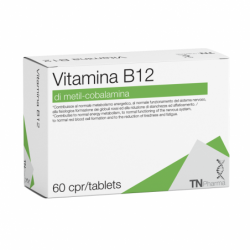
A deficiency in athletes immediately results in a plateau in performance and an inability to recover nerve function. It is to safeguard these processes that taking a pure form such as our TN Naturals Vitamin B12 is often recommended during periods of intensive training.
Conclusion
Vitamin B12 is the guardian of your vitality. It does not tolerate half-measures. Whether you’re a meat-eater or a vegan, vigilance is essential.
Remember this golden rule: vary your sources, do not rely solely on natural plant foods, and pay attention to your body’s signals (tingling, unusual tiredness). Robust health begins with blood rich in B12.