- Health and wellness
- 16465 views
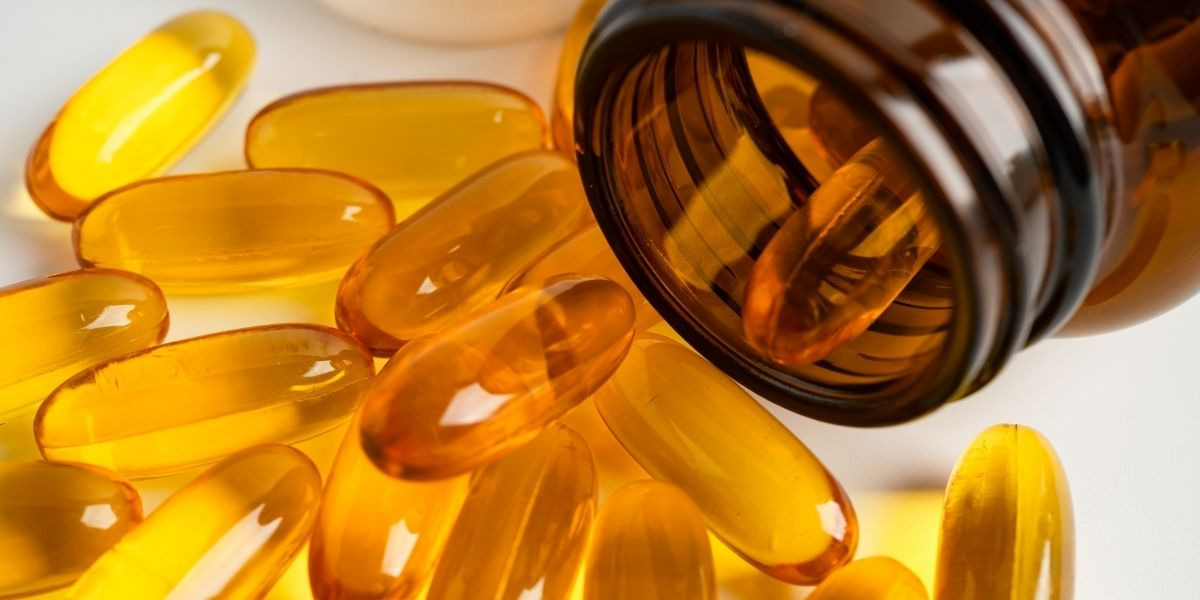
It’s a question that keeps cropping up on bodybuilding forums and in doctors’ surgeries. On the one hand, the science is clear: essential fatty acids are vital for the heart and brain. On the other hand, persistent rumours are circulating: ‘Omega-3 danger’, ‘heavy metal toxicity’, ‘bleeding risks’.
So, by taking supplements for your health, are you paradoxically putting yourself at risk of poisoning?
The answer from our experts at Tsunami Nutrition is unequivocal: the danger does not lie in the Omega-3 molecule itself, but in the quality of the oil you choose. In an industry where a lack of transparency prevails, understanding the difference between oxidised oil and IFOS™-certified oil (such as our Omega Pure Professional) is a matter of health and safety.
What are Omega-3s?
Omega-3s are a family of polyunsaturated fatty acids known as ‘essential’ fatty acids. This simply means that your body, however efficient it may be, is unable to produce them itself. They must therefore be obtained through diet or supplementation to avoid structural deficiencies.
They come in three main forms, but be aware that they are not all equally beneficial for athletes:
- Alpha-linolenic acid (ALA): Of plant origin (flax, walnuts, chia). It is a precursor that the body must convert, but this process is very inefficient in humans.
- Eicosapentaenoic acid (EPA): Of marine origin. It is the body’s powerful natural anti-inflammatory.
- Docosahexaenoic acid (DHA): Derived from marine sources. It is the ‘building block’ that makes up your cell membranes, your brain and your retina.
The benefits of omega-3s for athletes
Before discussing the risks, it is important to understand why they are vital. Omega-3s are renowned for their significant effects on cardiovascular health and overall performance.
They play an active role in regulating blood pressure, reducing blood triglyceride levels and protecting the nervous system. Furthermore, EPA and DHA are crucial for maintaining cognitive functions (memory, concentration) and play a major preventive role against neurodegenerative decline.
For athletes, their role in reducing systemic inflammation is a major benefit: they help with faster recovery following muscle or joint injuries (such as tendonitis). Finally, their ability to improve insulin sensitivity and their thermogenic effect can be valuable allies when aiming for fat loss or body recomposition.
Omega-3 and Risk: The 3 Real Dangers Hidden by the Industry
Whilst the EFSA (European Food Safety Authority) considers consumption of up to 5g per day to be safe, where does the notion of danger come from? It stems exclusively from the poor-quality products flooding the market.
1. Chemical risk: Oxidation (Rancidity)
This is the most common risk. Omega-3s are chemically unstable. On contact with air or heat, they oxidise. Rancid oil is toxic: it releases free radicals and becomes pro-inflammatory.
The tell-tale sign: if your capsule causes you to experience acid reflux that tastes of rotten fish, it means the oil has oxidised. You are ingesting a degraded product.
2. The environmental danger: Marine pollution
Unfortunately, our oceans are reservoirs of pollution (mercury, lead, PCBs, dioxins). Through bioaccumulation, fish store these neurotoxins in their fat. Consuming unfiltered oil is equivalent to ingesting these heavy metals, which are harmful to the nervous system in the long term.
3. The myth of the risk of haemorrhage
Omega-3s naturally thin the blood (which is beneficial for cardiovascular health). The only ‘risk’ concerns people on strong anticoagulant treatment or about to undergo surgery, where this effect may be exacerbated. For 99 per cent of the population, it is a health benefit, not a risk.
The Safe Solution: 5-Star IFOS™ Technology
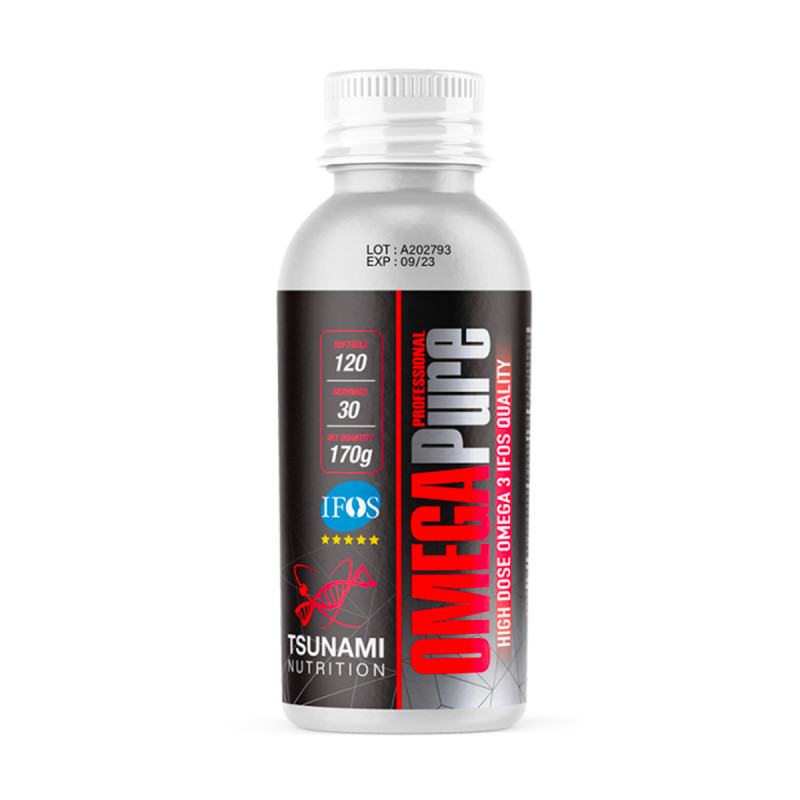
At Tsunami Nutrition, we refuse to leave our athletes’ health to chance. To eliminate any risk, we insist on the world’s strictest certification: IFOS™ (International Fish Oil Standards).
Omega Pure Professional IFOS has been awarded the maximum 5-STAR rating by the independent laboratory Nutrasource Inc (Canada).
Why does IFOS eliminate the risk?
- Absolute Purity (Zero Heavy Metals): Each batch is analysed to ensure it is free from mercury, lead, PCBs and dioxins. This guarantees a healthy oil.
- Maximum Stability (TotOx Index): The certification proves that the oil is fresh and unoxidised. Result: No off-flavours, no unpleasant odours.
- Sustainable Fishing: We guarantee that the oil is sourced using sustainable fishing methods.
Clinical potency without the risks
Once safety has been assured by IFOS, it’s time to focus on performance. Where standard products are underdosed, Omega Pure Professional offers a therapeutic concentration:
- 2,000 mg of EPA: A high dose to combat training-related systemic inflammation.
- 1,000 mg of DHA: The essential fuel for concentration and retinal protection.
Conclusion: The real danger is mediocrity
Are Omega-3s dangerous to your health? No, they’re vital. What is dangerous are the opaque, oxidised and contaminated oils flooding the market.
Don’t compromise. With Omega Pure Professional IFOS, you’re choosing total transparency: a pure oil, gluten- and lactose-free, certified contaminant-free and formulated for real results. Demand the 5-star standard for your body.