- Health and wellness
- 1030 views
How to use peanut butter for breakfast
Peanut butter is a nutritious food, rich in protein, healthy fats and essential micronutrients. Thanks to its high energy content, it’s an excellent choice for those who exercise, but also for anyone looking for a filling and nourishing snack.
To better understand its properties, here are the average nutritional values for 100 g of natural peanut butter:
Peanut butter is an excellent choice for breakfast, especially when combined with other nutritious foods. It can be spread on a slice of toast or used as a topping for pancakes, porridge or other dishes. Thanks to its protein and healthy fat content, it helps you feel fuller for longer and provides a steady supply of energy.
It is particularly recommended before a workout or at the start of a busy day, as it helps meet the body’s energy needs. As with all high-calorie foods, it is important to consume it in moderation. Excess calories, if not offset by physical activity or normal energy expenditure, can indeed lead to weight gain.
A portionof one or two teaspoons of peanut butter can be enjoyed with a drink such as milk and fresh fruit, or a fruit juice with no added sugar. For those who wish, a coffee can round off breakfast, helping to improve concentration and alertness.
A Tsunami Nutrition breakfast fit for true champions could be:
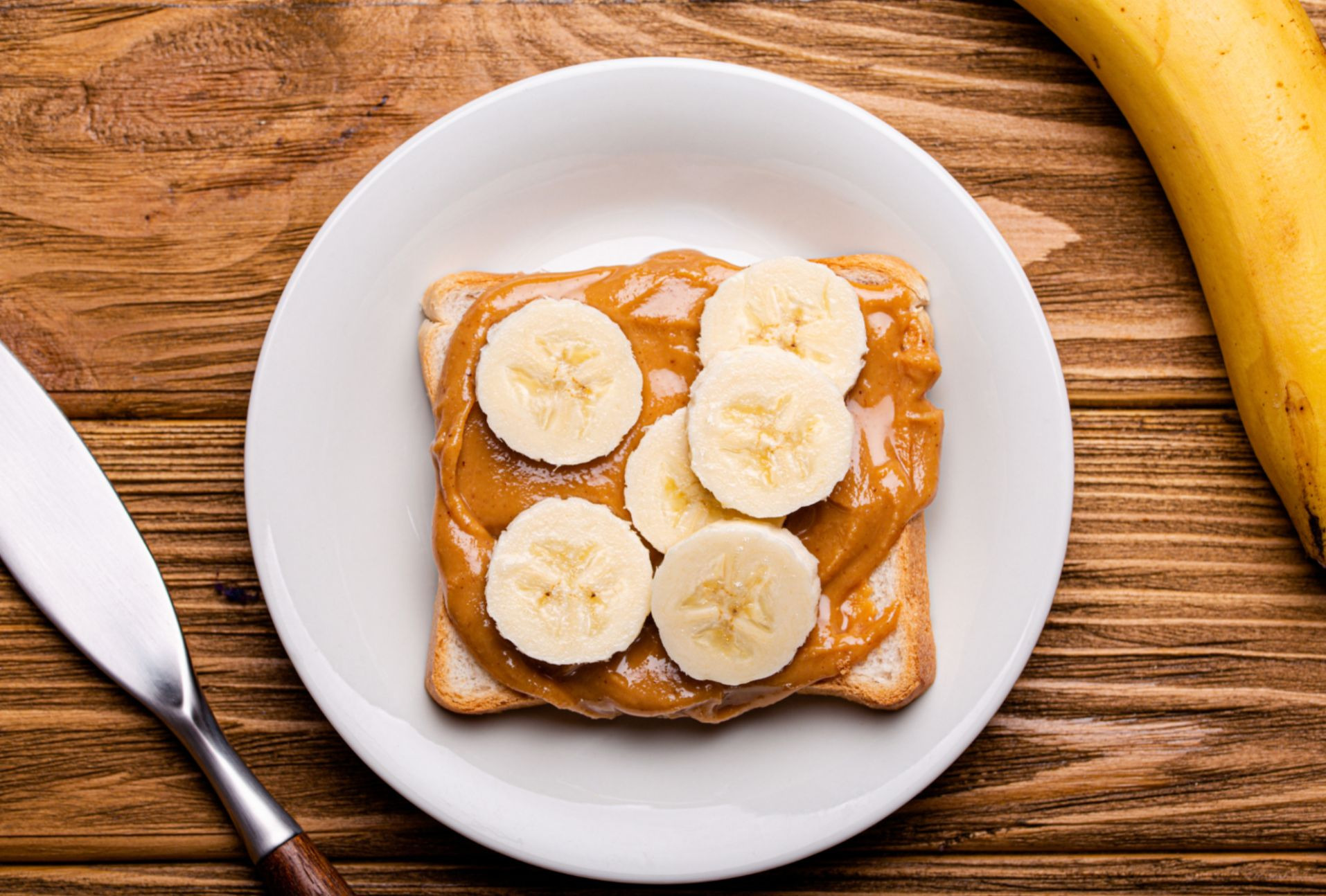
Toast with peanut butter and banana
Ingredients
- 2 slices of bread
- 1 to 2 teaspoons of peanut butter
- 1/2 banana, sliced
- Cinnamon (optional)
Method: 1. Toast the slices of bread; 2. Spread the peanut butter onto the bread whilst it’s still warm; 3. Add the banana slices and, if you like, a pinch of cinnamon; 4. Serve with a glass of milk or a cold drink and a coffee.
Toast, pancakes and rusks
100% natural peanut butter is a staple ingredient in many breakfasts and snacks. Thanks to its high protein and healthy fat content, it pairs easily with sources of carbohydrates, helping to create balanced and truly filling meals and snacks!
The most popular combinations are:
- Toast and peanut butter: the most classic and popular combination. Two slices of wholemeal bread with around 20 g of peanut butter provide an average of 250–300 kcal, ideal for an energy-packed breakfast or a pre-workout snack.
- Peanut butterpancakes : perfect for those who prefer a sweeter breakfast. A medium-sized pancake with 20 g of peanut butter provides around 300–350 kcal, offering a good balance of carbohydrates and protein.
- Peanut butter crispbread: a lighter but equally nutritious option. Two wholemeal crispbreads with 15–20 g of peanut butter provide an average of 180–230 kcal, making them a good option for those following a controlled diet or a weight-loss plan, without compromising on taste or satiety.
A bowl of yoghurt and protein porridge
A bowl of yoghurt – especially the ‘Greek’ variety, which is very low in sugar and high in protein – pairs perfectly with 100% natural peanut butter for a breakfast or snack that’s truly packed with nutrients. You can add fresh or dried fruit to the bowl, depending on your taste. A bowl containing 170 g of Greek yoghurt, 20 g of peanut butter and fresh fruit provides an average of 300–380 kcal.
Protein porridge is a favourite breakfast among athletes thanks to its perfect balance of complex carbohydrates and protein. Made with rolled oats, milk or a plant-based drink, and enriched with a spoonful of 100% natural peanut butter, it provides a slow-release energy boost and is highly filling. A portion of porridge with around 20 g of peanut butter provides an average of 350–450 kcal, depending on the ingredients used.
Quick sweet recipes with peanut butter
Incorporating 100% natural peanut butter into your recipes is a simple and tasty way to boost your daily intake of protein, healthy fats and energy. Thanks to its versatility, it can be used to prepare healthy breakfasts, desserts and snacks in just a few minutes.
Here are some quick and easy sweet peanut butter recipes from Tsunami Nutrition:
No-bake peanut butter cheesecake
A refreshing recipe ready in just a few minutes. Mix Greek yoghurt or cream cheese with 100% natural peanut butter and a sweetener of your choice. Pour the mixture onto a base of crumbled wholemeal biscuits and leave to set in the fridge for at least 2 hours. Finish with crushed peanuts or dark chocolate shavings.
Sweet peanut butter and fruit sandwich
For a quick snack, all you need is two slices of wholemeal bread, a layer of 100% natural peanut butter and a few slices of banana. You can add a pinch of cinnamon or a few drops of dark chocolate to make it even more indulgent. It’s ready in under 5 minutes.
Peanut butter muffins
Mix 1 egg, 1 ripe mashed banana, 2 tablespoons of peanut butter, 40 g of oat flour and 1 teaspoon of baking powder. Pour the mixture into muffin tins and bake in the oven at 180 °C for 18–20 minutes. You’ll end up with moist little cakes, perfect for breakfast or as a protein-packed snack.
Smoothies and energy drinks
To make peanut butter smoothies and drinks, you can use almost any type of fruit – simply choose your favourite or whatever’s in season. Simply put all the ingredients into the blender, close the lid securely and blend until you have a smooth, creamy and even consistency.
Let’s take a look at a recipe for a peanut butter drink:
Protein smoothie with red berries and peanut butter
Ingredients
- 150 g red berries (frozen are fine)
- 170 g Greek yoghurt
- 1 teaspoon of peanut butter
- 100 ml milk or water
- 1 teaspoon of honey (optional)
Method: 1. Put all the ingredients into the blender; 2. Blend until smooth and well combined; 3. Enjoy it freshly made for a snack rich in protein, fibre and antioxidants.
Best sweet combinations
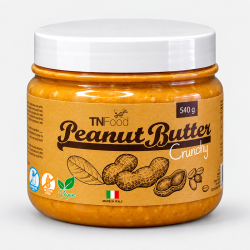
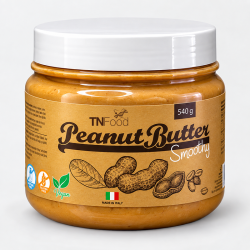
100% natural peanut butter pairs perfectly with a wide range of sweet foods, thanks to its intense flavour and creamy texture. Try it in the Smoothy, Crunchy, Nutchoc, Coconut and other varieties from TN Food!
Looking for a lighter alternative? Try Tsunami Nutrition’s 200 g Low-Fat Peanut Butter Powder: rich in protein and fibre, it mixes easily with water to make a spread or can be added directly to yoghurt, smoothies, pasta and healthy recipes.
Some of the tastiest combinations are:
Savoury recipes and main courses
100% natural peanut butter isn’t just a sweet ingredient: thanks to its intense flavour and creamy texture, it’s also perfect for savoury dishes, particularly in fusion or sports nutrition cuisine.
- Peanut butter chicken (satay-style): thinly sliced chicken stir-fried in a pan with a sauce made from peanut butter, soya sauce, lemon juice and spices. A protein-rich and very filling dish, perfect served with basmati rice.
- Creamy sauce for noodles or rice: peanut butter, soya sauce, ginger and a splash of hot water to create a velvety sauce to pour over noodles, rice or stir-fried vegetables.
- Savoury protein wrap: a wholemeal tortilla filled with chicken or turkey, fresh vegetables and a thin layer of peanut butter to add creaminess and a slightly toasty flavour.
- Savoury energy bowl: rice, avocado, vegetables and a peanut butter and lime-based sauce, ideal as a complete post-workout meal.
Starters and pasta dishes with an exotic twist
100% natural peanut butter is a widely used ingredient in exotic cuisine, particularly Asian and fusion dishes, thanks to its ability to create creamy, intense sauces with a balanced sweet-and-savoury flavour. When incorporated into pasta and rice dishes, it creates original, nourishing and energy-packed recipes.
- Creamy peanut butter noodles: noodles seasoned with a sauce made from peanut butter, soya sauce, ginger, lime and a hint of chilli. A quick, tasty and very filling dish.
- Oriental-style fried rice: basmati rice stir-fried in a pan with crunchy vegetables and a peanut butter cream diluted with hot water and spices. Perfect as a balanced main course.
- Fusion spaghetti with peanut and lime sauce: wholemeal pasta or spaghetti with a velvety sauce made from peanut butter, lime juice, garlic and a dash of soya sauce. A simple combination with an intense and original flavour.
- Creamy Thai-style soup: a light broth made with coconut milk, peanut butter, curry and vegetables. A warm, spicy dish rich in exotic flavours.
Main courses with peanut butter
100% natural peanut butter pairs perfectly with meat, fish and plant-based alternatives, giving main courses a creamy texture and an intense flavour.
- Chicken with peanut butter: pan-fried chicken bites coated in a sauce made with peanut butter, soya sauce, lime and ginger. A creamy, flavourful dish that’s perfect served with rice or vegetables.
- Chicken skewers with peanut sauce: grilled skewers served with an Asian-inspired sauce made from peanut butter, soya sauce and spices. Ideal for a light yet flavourful dinner.
- Salmon glazed with peanut butter: a salmon fillet cooked in the oven or in a frying pan and glazed with a mixture of peanut butter, honey, lime and soya sauce. The result is a dish with a balanced sweet and savoury flavour.
- Crispy tofu with peanut sauce: tofu browned in a frying pan or in the oven, served with a creamy sauce made from peanut butter, lime and ginger. A protein-rich vegetarian option with an exotic flavour.
Ideas for light and healthy recipes
100% natural peanut butter can also be incorporated into low-calorie diets, provided it is consumed in the right quantities. Thanks to its satiating properties and high content of healthy fats and protein, it is ideal for creating light yet nourishing recipes.
- Light protein yoghurt bowl: 0% Greek yoghurt with 1 teaspoon of peanut butter, fresh fruit and cinnamon. A balanced breakfast of around 200–250 kcal, perfect for starting the day with energy without feeling weighed down.
- Light protein smoothie: plant-based milk, ice, half a teaspoon of peanut butter and red berries. A fresh, light drink containing around 150–200 kcal, perfect as a snack or quick breakfast.
- Light crispbread: 2 wholemeal crispbreads with peanut butter and a drizzle of honey. Around 170–210 kcal – a simple option for those on a controlled diet.
Frequently asked questions
Can people with diabetes eat peanut butter?
Yes, people with diabetes can eat 100% natural peanut butter, provided it contains no added sugars. It has a low glycaemic index and can help maintain more stable blood sugar levels. However, it is important to eat it in moderation, sticking to the recommended portion sizes.
Where should peanut butter be stored once opened?
Once opened, 100% natural peanut butter can be stored in a cupboard, in a cool, dry place, away from heat sources and direct light. It is not necessary to keep it in the fridge, but in some cases this may help to maintain a firmer consistency and slow down the natural separation of the oils.
It is important to close the jar tightly after each use and to stir the product if the oil separates – a completely natural process in products without emulsifiers.
Is peanut butter safe to eat during pregnancy?
Yes, 100% natural peanut butter can be eaten during pregnancy, provided it forms part of a balanced diet. It is a food rich in plant-based protein, healthy fats and minerals, and is also useful during pregnancy for providing energy.
It is important to choose products with no added sugars or refined oils and to consume it in moderation, given its high calorie content. If you have a peanut allergy or a family history of allergies, it is always advisable to consult a doctor before consuming it.
What are the benefits of eating peanut butter in the evening?
Eating 100% natural peanut butter in the evening, in small quantities, can be a useful bedtime snack. Thanks to its content of healthy fats and protein, it promotes a feeling of fullness and can help prevent waking up during the night due to hunger.
Furthermore, the slow release of energy helps to maintain more stable blood sugar levels throughout the night. However, it is important not to exceed the recommended amounts, to avoid consuming too many calories in the evening.
100% natural peanut butter is a versatile food that fits easily into a balanced diet, from breakfast and snacks to sweet and savoury recipes. Thanks to its nutritional profile, which is rich in protein, healthy fats and energy released gradually, it is a practical and tasty choice for meeting daily energy requirements.