- Health and wellness
- 3113 views
What is collagen and what is it used for?
Collagenis a structural protein naturally present in our bodies, accounting for around 30 per cent of our total protein mass, and plays a fundamental role, particularly in the skin.
The main benefits are:
- Supporting joint health
- Strengthening hair and nails
- Contributing to bone density
- Promoting muscle tone
- Improving blood circulation.
The link between collagen and liver health
Collagen does not generally cause any adverse effects on the body. As it is a protein already present in our cells, it is digested naturally and there is no scientific evidence of it causing damage to the liver.
The most common cause of liver damage, as opposed to the normal intake of protein, is incorrect dosage – that is, an excess of protein that may not be digested properly and which, over time, can build up and put a strain on the liver.
Even a normal diet rich in collagen, for those suffering from liver problems, can exacerbate this condition when combined with any type of supplementation.
How the body metabolises collagen supplements
Collagen is absorbed by the body through the breakdown of amino acids by specific digestive enzymes;this absorption transports the substances directly into the bloodstream so that the body can utilise them.
In its hydrolysed form, collagen is digested more quickly as the amino acids have already been broken down within the formula; this solution is particularly useful for those with a sensitive gut who do not wish to risk unwanted side effects.
The difference in how collagen is metabolised is determined by its source:
- Marine collagen: it has a smaller molecular structure, which allows the body to absorb the nutrients more quickly; this is particularly useful for those seeking benefits for their skin and hair;
- Bovine Collagen: this has larger molecules and offers more specific benefits for joints and muscle elasticity.
Collagen supplementation does not normally cause any side effects and is broken down naturally by the body. If you have any specific medical conditions, it is important to seek medical advice before starting supplementation and to monitor any effects whilst taking it.
Can collagen really put a strain on a healthy liver?
There is no valid scientific evidence that collagen puts a strain on the liver or even damages it.
On the contrary, taking this protein as a supplement may have positive effects on liver function, thanks to the cellular regeneration it promotes during digestion and the resulting improvement in metabolism.
Pre-existing liver conditions and collagen supplementation
Certain chronic liver conditions may be exacerbated by collagen supplementation due to the formula not being digested properly and the resulting protein load on the internal organs, which may be difficult for an already compromised liver to metabolise.
It is important to consult a doctor before taking collagen supplements, to assess tolerability and determine the correct dose. The same precaution should be taken by people who have had a liver transplant, or those suffering from hepatitis or liver cirrhosis; they should be particularly careful when taking collagen.
Other common concerns about the effects of collagen
The most common concerns regarding collagen supplementation are:
- Digestive problems: side effects may occur, such as flatulence, bloating, diarrhoea or constipation if you already have a sensitive digestive system
- Allergic reactions: intolerance or allergy to animal proteins can cause itching or rashes on the skin and abdominal pain
- Weight gain: collagen does not cause weight gain at all; on the contrary, it is a protein that helps manage hunger between meals
- Calcium levels: a high calcium content in the formulation may cause digestive problems
- Nutrient safety: it is essential to check the ingredients in the formulation, as poor-quality ingredients may cause adverse effects, even in the long term.
Does collagen cause weight gain or raise cholesterol levels?
Collagen does not cause weight gain, even if taken every day. Like all proteins, it is very low in calories and can help you feel fuller.
Even the idea that collagen can raise cholesterolis a myth. On the contrary, it helps improve the elasticity of blood vessels and microcirculation, by promoting the production of ‘good’ cholesterol.
Is there a link with the thyroid and the heart?
There is no conclusive scientific evidence that taking collagen can cause thyroid problems: the nutrients in the collagen formula do not interfere with treatments or hormone production.
As for the heart, maintaining an adequate intake of collagen is essential, as the improved elasticity it provides— which benefits blood vessels and arteries—helps prevent blockages that, with age, could cause very serious damage.
Possible effects on the stomach
Collagen is a protein naturally present in our bodies, which is why it is easily digested by the gut and generally has no side effects.
However, if you have a sensitive gut, it is advisable to choose:
- Hydrolysed Collagen, which is formulated with pre-digested amino acids and therefore offers greater bioavailability;
- Marine collagen, which has a smaller molecular structure, ensuring greater digestibility and absorption of the substances by the body.
In the case of specific medical conditions, it is always essential to seek medical advice to avoid placing an additional burden on the body’s functions.
General contraindications and side effects
Collagen is well tolerated and does not cause any significant side effects, but in certain situations, greater caution is required.
Those with sensitive digestive systems should opt for the hydrolysed form, which is gentler and easier to digest. In the case of kidney disease orliver failure, it is important to start with a lower dose and monitor the body’s response, if possible with the help of a doctor, as excess protein may not be eliminated properly by the body.
Who should not take collagen
Although collagen is a safe protein for the body, certain circumstances preclude supplementation or at least require a more cautious approach.
The following people should not take it:
- People who are allergic to fish or fish-derived products
- People with kidney or liver conditions
- People suffering from gastrointestinal disorders
- People with autoimmune diseases.
Symptoms of a possible collagen allergy
People who are allergic to animal proteins may experience adverse reactions, such as itching, swelling, nausea and breathing difficulties. It is importantto stop taking the supplement immediately if you notice any adverse reactions, with the help of a doctor.
Frequently asked questions
What exactly does collagen do for the liver?
It can have a protective effect and reduce liver damage thanks to the presence of glycine in the formula; it also has a detoxifying effect. Furthermore, collagen supports cell regeneration.
What happens if I take collagen every day?
You can take collagen daily without experiencing any adverse effects. After every six-month period, it is advisable to stop taking the supplement and then resume it to assess its effect on the body and note the long-term benefits.
Can too much collagen be dangerous?
Yes, taking more collagen than the amount recommended on the label is dangerous and can cause abdominal pain, digestive problems and a build-up of undigested protein within the body.
Can taking collagen damage the kidneys?
Well, if taken in high doses, collagen can damage the kidneys, causing renal fatigue which prevents the body from fully digesting nutrients.
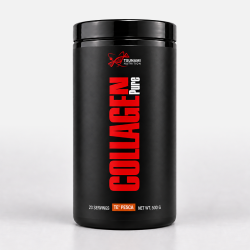
Collagen is essential for our wellbeing; taking the correct dose and ensuring you take it at the right time to suit your own routine maximises its benefits and effectiveness over time.Tsunami Nutrition’s best collagen supplementsare made using the finest raw materials to ensure there are no adverse effects whatsoever.