- Health and wellness
- 4484 views
The link between collagen and thyroid health
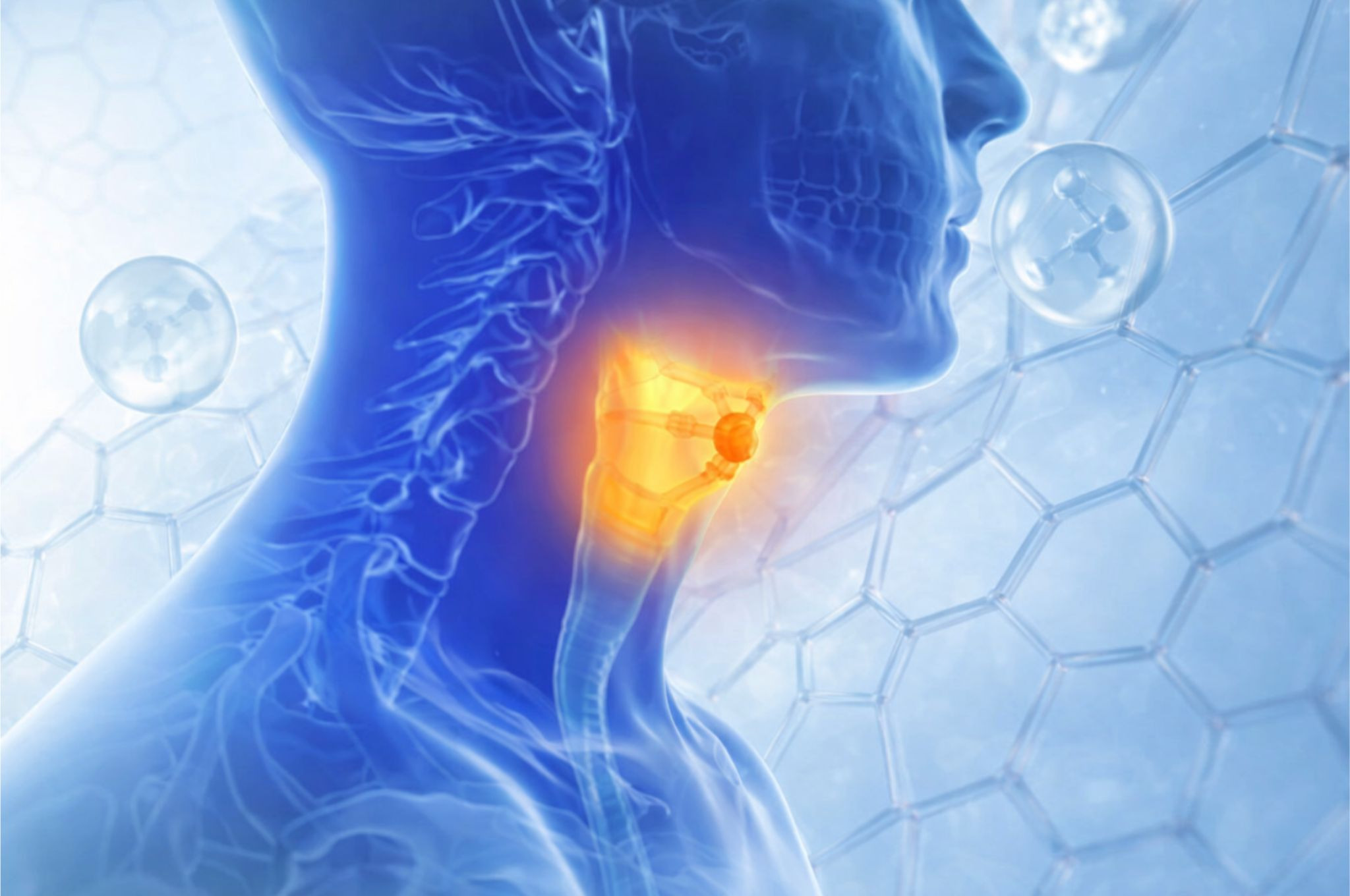
There are factors which, through collagen supplementation, can influence thyroid health… in a positive way! In fact, collagen does not act directly on the production of thyroid hormones, but works indirectly on the health of the endocrine gland through other processes that take place in the body.
Collagen helps to keep the gland’s tissues healthy. Furthermore, the amino acids found in abundance in this protein help to reduce stress and inflammation, which in many conditions further slow down the production of hormones by the thyroid gland. It also supports the health of the intestinal lining, promoting a more favourable metabolic balance.
Before starting any supplementation, especially if you have other existing medical conditions, it is always advisable to consult your GP to determine the most appropriate course of treatment.
What is collagen and why is it important?
Collagen is a structural protein that provides support to the skin, bones and joints. Furthermore, it works in synergy with the tissues to promote smoother skin and to combat inflammation and muscle stiffness. It also promotes cell regeneration.
There are different types of collagen: the best collagen is the one chosen to suit your personal needs.
The main general benefits of collagen supplementation are:
- Joint support
- Stronger, more resilient hair and nails
- Helps maintain healthy bone density
- Improved circulation and muscle tone.
As well as its structural benefits, collagen is also known for its benefits for skin health and for helping to strengthen nails and hair.
The role of the thyroid in metabolism
The thyroid is a gland located at the base of the neck, and its function helps maintain hormonal balance throughout the body. Adequate hormone production is an indicator of the body’s general health, enabling it to regulate heat production, heart rate and physical development.
The main disorders relate to the rate at which hormones are produced:
- Hypothyroidism: the thyroid works too slowly and produces an insufficient amount of hormones;
- Hyperthyroidism: conversely, in this condition, the thyroid is overactive and produces an excessive amount of hormones;
- Non-autoimmune disorders: conditions associated with hormonal imbalances, but which are not always of autoimmune origin.
Does collagen harm the thyroid? Risk analysis
Collagen, on its own, does not harm the thyroid, because: it does not act directly on it, and furthermore, it does not interact directly with the production of thyroid hormones.
Indirectly, however, it may interact with medicines taken to treat thyroid conditions, as collagen supplements contain amino acids and minerals that could impair their absorption if taken too close together during the day. The supplement may even temporarily alter the results of blood tests.
In summary, collagen is considered safe for those with thyroid disorders. Provided the correct time intervals are observed between taking the supplement and the medication, no adverse effects occur.
The case of Hashimoto’s thyroiditis and autoimmune diseases
The main autoimmune disorders of the thyroid are Hashimoto’s thyroiditis and Graves’ disease.
In both cases, the immune system mistakenly attacks the thyroid gland, impairing its function: Hashimoto’s is more commonly associated with hypothyroidism, whilst Graves’ disease is associated with hyperthyroidism, due to excessive hormone production. In both cases, the root cause of the problem is an abnormal immune response.
It is advisable to consult a doctor if you suffer from these conditions before starting any form of supplementation, in order to avoid adverse effects.
The effect of iodine in marine collagen
Marine collagencontains trace amounts of iodine, as it is extracted from marine sources, such as fish and other organisms. For most people, this minimal intake of iodine does not pose a risk to the thyroid.
However, for those with Hashimoto’s thyroiditis or hyperthyroidism, even small fluctuations in iodine intake can have a negative impact on hormone production. This can further stimulate the immune response due to excess iodine, causing a loss of control over the gland’s activity, which could increase or decrease hormone levels.
Possible interactions with thyroid medication
Unanticipated interactions between supplements and other thyroid medicines may cause:
- Abnormal production of thyroid hormones
- Disrupted thyroid gland function
- Further stimulation of the ongoing autoimmune response.
If supplements are monitored and the dosages within the recommended range are adhered to, they can be useful in supporting hormonal balance. If, however, you have a sensitive thyroid, supplementation may affect hormonal balance and could even lead to inflammation of the gland.
Other contraindications and myths about collagen
Collagen is considered a safe protein for supplementation. The main contraindications primarily concern people who are allergic to animal proteins, those suffering from kidney or liver disorders, or those undergoing specific pharmacological treatments.
Particularly during the initial period of taking collagen, mild gastrointestinal discomfort may occur, as the gut has to recognise and digest new nutrients.
Is collagen bad for the kidneys and liver?
Collagen, if taken responsibly and under the guidance of a healthcare professional, does not harm either the kidneys or the liver.
It is strongly advised against taking supplements derived from bovine or marine sources if you suffer from kidney or liver problems, are breastfeeding or pregnant, or have other medical conditions. Medical advice is essential to avoid any adverse effects.
The effect of collagen on the stomach
The most commonly used form of collagen ishydrolysed collagen, due to its remarkable ability to be absorbed by the body through the digestion of nutrients that have already been broken down into small, easily assimilated peptides; and without causing any troublesome side effects on digestion or the stomach.
Does collagen cause weight gain or raise cholesterol levels?
Collagen does not raise cholesterol levels; it is a pure protein free from fats and sugars, and it does not cause weight gain due to its low calorie content.
Thanks to its effect on the metabolism, it helps maintain lean body mass and supports the metabolism by promoting firmer-looking tissue.
How to take collagen safely
To take collagen safely, it is essential first and foremostto ensure that it does not interfere with other pharmacological treatments whilst taking the protein supplement.
Do not exceed the dose indicated on the product and monitor the benefits with the help of a healthcare professional. Choose products that guarantee the use of the finest raw materials, such as Tsunami Nutrition.
As well as following a healthy lifestyle and diet, incorporating the necessary physical activity to achieve a balance will help you understand and appreciate the benefits that collagen provides through careful and considered supplementation over time.
The importance of consulting your endocrinologist
It is really important to consult your own endocrinologist so as not to make assumptions about supplementation on your own; aside from the most common side effects, everyone needs to understand the correct dosages and the best time to take these nutrients, based on their own goals, needs and daily routine.
Choosing the right type of collagen
There are different types of collagen, each with distinct properties regarding tissue hydration, cell regeneration and support for bones and joints: depending on your needs, you’ll know which collagen protein to choose!
Be mindful of dosage and side effects
It is essential to take the correct dosageof the product during a supplementation course to avoid unwanted side effects over time and to prevent the body from becoming dependent on the nutrients.
Taking a higher dose of the supplement does not guarantee more effective benefits; on the contrary, it can actually cause side effects such as nausea, headaches or diarrhoea.
Frequently Asked Questions
Who should avoid taking collagen?
Those suffering from autoimmune thyroid conditions, and those with liver problems. Pregnant or breastfeeding women should also consult their doctor about how to proceed with the course of treatment to avoid causing hormonal imbalances.
What are the main side effects of collagen?
Bisglycinate does not generally cause any significant side effects; however, if too much is taken or if it is taken at the wrong times, gastrointestinal problems, nausea, diarrhoea and a feeling of exhaustion and fatigue may occur.
Does marine collagen have any specific contraindications for the thyroid?
Marine collagen supplements contain a higher percentage of iodine, which could cause adverse effects – even serious ones – in people with autoimmune thyroid conditions.
For those taking thyroid medication, the side effects caused by the proteins and nutrients in the supplements may be more common; the same applies to those who are allergic to animal proteins, in order to avoid side effects.
Does collagen cause weight gain or raise cholesterol levels?
Collagen does not raise cholesterol; it is a pure protein containing no fat or sugar, and it does not cause weight gain due to its low calorie content.
Thanks to its effect on the metabolism, it helps maintain lean body mass and supports the metabolism by promoting firmer-looking tissue.
How to take collagen safely
To take collagen safely, it is essential first and foremostto ensure that it does not interfere with other pharmacological treatments whilst taking the protein supplement.
Do not exceed the dose stated on the product and monitor the benefits with the help of a healthcare professional. Choose products that guarantee the use of the finest raw materials, such as Tsunami Nutrition.
As well as following a healthy lifestyle and diet, incorporating the necessary physical activity to achieve a balance will help you understand and appreciate the benefits that collagen provides through careful and considered supplementation over time.
The importance of consulting your endocrinologist
It is really important to consult your own endocrinologist so as not to make assumptions about supplementation on your own; aside from the most common side effects, everyone needs to understand the correct dosages and the best time to take these nutrients, based on their own goals, needs and daily routine.
Choosing the right type of collagen
There are different types of collagen, each with distinct properties regarding tissue hydration, cell regeneration and support for bones and joints: depending on your needs, you’ll know which collagen protein to choose!
Be mindful of dosage and side effects
It is essential to take the correct dosage of the product throughout the supplementation course to avoid adverse effects over time and to prevent the body from becoming dependent on the nutrients.
Taking a higher dose of the supplement does not guarantee more effective benefits; on the contrary, it can actually cause side effects such as nausea, headaches or diarrhoea.
Frequently Asked Questions
Who should avoid taking collagen?
Those suffering from autoimmune thyroid conditions, and those with liver problems. Pregnant or breastfeeding women should also consult their doctor about how to proceed with the course of treatment to avoid causing hormonal imbalances.
What are the main side effects of collagen?
Bisglycinate does not generally cause any significant side effects; however, if too much is taken or if it is taken at the wrong times, gastrointestinal problems, nausea, diarrhoea and a feeling of exhaustion and fatigue may occur.
Does marine collagen have any specific contraindications for the thyroid?
Marine collagen supplements contain a higher percentage of iodine, which could cause adverse effects – even serious ones – in people with autoimmune thyroid conditions.
For those taking thyroid medication, side effects caused by the proteins and nutrients in the supplements may be more common; the same applies to those who are allergic to animal proteins, in order to avoid side effects.