- Health and wellness
- 7738 views

What is collagen and what is it used for?
Collagenis the most abundant structural protein in the human body and accounts for 6 per cent of body weight. It is essential for the health of bones, cartilage, ligaments, skin and tendons; furthermore, it plays an important supportive role for the structures in which it is found.
Adequate collagen production:
- Improves the appearance of the skin: collagen gives the skin a visibly healthier, firmer and more youthful appearance
- Strengthens the scalp: collagen helps maintain good elasticity in the skin tissues, improving the health of the hair at the root
- Supports connective tissue: it is the main structural component of tendons, ligaments, muscles, bones and blood vessels, providing elasticity and strength to the whole body;
- Plays a part in cell renewal: it is involved in the regeneration processes of the dermis, helping to replace dead cells and maintain more vibrant skin.
Where is collagen found: natural sources
In its natural state, collagen is found mainly in meat, fish and their by-products. In fact, there are many plant-based foods which, although they do not provide ‘ready-made’ collagen, play a crucial role in promoting the body’s own production of it.
These foods contain key nutrients such as vitamin C, copper, silicon and other antioxidants, which act as co-factors in collagen synthesis. These foods include, in particular , citrus fruits such as oranges, lemons and grapefruit, as well as kiwi fruit, strawberries, spinach, cabbage and other green or colourful leafy vegetables.
Direct animal sources: meat, fish and by-products
Collagen comes mainly from animal sources such as bones, skin, cartilage and tendons. It is found in significant quantities in meat, fish stock and natural gelatine. In particular:
- Meat and poultry: cuts such as cheeks, muscle or thighs contain high levels of collagen via the connective tissue
- Fish and seafood: fish skin and bones are rich in marine collagen
- Broth and natural gelatines: broths made with bones and tissues contain important amino acids such as glycine and proline, which aid collagen synthesis. In addition to gelatine derived from animal collagen, which is used in cooking or in desserts
- Eggs: collagen is mainly concentrated in the membrane separating the white from the shell
To get the most collagen from food, it’s a good idea to enjoy the cooking liquids as well.
Bone broth: a concentrated source of collagen
Bone broth is a traditional German dish and is particularly beneficial for collagen absorption. The bones are simmered for a long time with the connective tissue, which is rich in collagen, amino acids and minerals.
Depending on how it’s prepared, other nutrients that stimulate collagen synthesis can be added to create a flavourful and truly nourishing broth for our body’s support system. The longer it is cooked, the more the bones release the nutritional properties of the collagen; it can be cooked for up to 24 hours!
Broth is easy to incorporate into your diet. Now that the cold weather is setting in, it’s easy to treat yourself to a bowl of hot broth; you can even store it and add it to drinks or smoothies for a tastier option.
Bovine and marine collagen
Collagen comes in two animal-based forms: bovine and marine. As they have two distinct sources, they also differ in terms of bioavailability, characteristics and benefits.
- Bovine collagen is derived from the connective tissues of cattle, namely the skin, bones and tendons. It contains higher levels of Type II and IV collagen fibres. It is structurally beneficial for joints and cartilage. Although it has a denser molecular structure – containing a higher nutritional value and greater amino acid content – it does not cause digestive problems and is easily absorbed by the body.
- Marine collagen, on the other hand, is derived from the skin, bones and scales of fish. It generally contains more Type I and III collagen. It is particularly beneficial for skin elasticity and supports general tissue health. It has better bioavailability than bovine collagen due to its slightly smaller molecular structure, which is more easily absorbed by the digestive system.
The different types of collagen offer different solutions to suit individual needs, which is why, if you’re considering collagen supplementation – whether for osteoporosis or skin wrinkles – choosing the type of collagen best suited to your specific needs is the right approach.
How to boost collagen naturally
Vitamin Cis the main cofactor in collagen synthesis, as it helps convert the amino acids glycine and proline into the structures that form collagen fibres. The same benefits are provided by nutrients containing zinc, copper and silicon, which play a vital role in the maintenance and regeneration of connective tissue.
For both of these approaches, it is necessary to consume foods such as cabbage, strawberries and other nutrient-rich foods like nuts, seeds and oats, as well as pulses and cereals.
Most of us fail to include enough nutrients in our daily diet to support collagen synthesis; this is why supplements exist – to support our nutritional needs and enable our bodies to synthesise collagen independently.
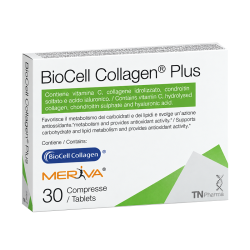
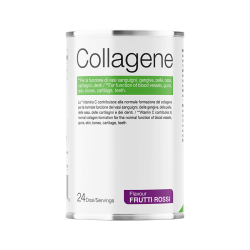
Thus, it is possible to stimulate collagen production naturally through nutraceutical supplements from Tsunami Nutrition, combined with a natural diet and a healthy lifestyle. Here you can find the best bovine and marine-based supplements, according to our research.
Is there such a thing as plant-based collagen?
No, there is no plant-based collagen, as the main sources from which we obtain this protein are, in fact, animal-based. However, we can stimulate collagen production through natural nutrients that promote its natural synthesis within our bodies.
Plant-based foods that stimulate collagen synthesis through a combination of different types of amino acids: glycine, proline and hydroxyproline, as well as vitamin C.
Let’s take a look below at where to find these nutrients:
- Vitamin C: red berries and citrus fruits, green leafy vegetables, red peppers
- Proline: asparagus, mushrooms, pulses
- Glycine: pumpkin seeds, cauliflower
- Copper: sesame seeds, nuts, pulses
- Zinc: chia seeds, beans, quinoa
Foods that aid production: vitamin C, zinc and copper
Foods that stimulate collagen production are mainly rich in vitamin C, zinc and copper. Vitamin C is water-soluble and is found mainly in seasonal fruit and vegetables; vegetables should be eaten raw or steamed to ensure full absorption of the nutrient.
In addition, antioxidant-rich foods – that is, those which neutralise free radicals, thereby preventing cell damage – such as dried fruit, pulses and cereals. Other vitamins, besides vitamin C, also boost antioxidant activity; for example, vitamin E, which is found in vegetable oils and nuts.
Omega-3s are an excellent source of nutrients for collagen synthesis, so fish, as well as walnuts and avocados, are good choices.
It is very importantto ensure you drink enough water as part of your diet – at least 1.5 litres of fluids a day – to prevent dehydration, which dries out the skin and impairs microcirculation and digestion.
Foods for collagen and elastin
There are no foods that directly contain collagen or elastin. You need to include the necessary nutrients in your diet to ensure the continuous synthesis of these proteins.
The best nutrient-rich foods for providing the co-factors needed for protein structure are often ‘traditional’ foods, such as bone broth, cartilage and tendons; other more common options include fish, eggs and meat from young animals. A diet rich in collagen is difficult to maintain, which is why supplementation can help – with hydrolysed collagen, for example.
Evenelastinis not found directly in everyday foods. However , with the right nutritional properties, we can also stimulate its production by including foods rich in vitamin C, fish and meat, cheese and dried fruit, as well as foods rich in manganese such as pineapple, nuts, cereals and seaweed.
Foods for collagen and hyaluronic acid
Many foods can be beneficial for the synthesis of both collagen and hyaluronic acid. Some of the foods we’ve previously discussed for collagen include white and red meats, fish and fish stock, eggs, pulses and seeds, and dried fruit.
However, during the week we don’t always manage to ensure we consume all of these to meet the requirements for protein synthesis, which is why Tsunami Nutrition has researched hydrolysed collagen.
Hyaluronic acidis very important for supporting the structure of collagen as it works in synergy to maintain it. It retains water in the tissues and promotes hydration, leaving the skin soft and nourished. To produce hyaluronic acid, you need to eat foods rich in vitamin C and zinc.
Collagen for specific needs
Collagen, in combination with other nutrients, is essential for the beauty and radiance of the skin, but above all for supporting bones, muscles and joints. There are different types of collagen, and each serves a specific purpose:
- Type I: acts on the skin, hair and nails;
- Type II: beneficial for joints and cartilage;
- Type III: contributes to tissue elasticity and works in synergy with the other two types.
Foods beneficial for cartilage
Foods that are beneficial for the structure of cartilage – which is a very strong yet flexible connective tissue – are also essential for bone structure. Cartilage therefore protects, separates, lubricates and cushions our skeletal system.
There are three types of cartilage : elastic, which provides strength to the organs; fibrous, which cushions and reduces friction in the joints; and hyaline, which is the most fragile and most common type in the body, composed of fine collagen fibres.
We can stimulate cartilage production and incorporate it through our diet to support its protection and composition, such as: fresh fruit, vegetables, whole grains, berries and dried fruit, as well as pulses, vegetable oils, dairy products, fish and lean meats.
How to support collagen production during the menopause
During the menopause, there are several signs linked to falling hormone levels: the signs of ageing become more pronounced and the skin loses its firmness and elasticity; nails and hair become more brittle and fine; and joint pain and general fatigue may build up.
One of the causes of these symptoms is precisely a reduction in collagen production, which accompanies hormonal changes. It is therefore very importantto strategically incorporate the right nutrients– both through diet and via Tsunami Nutritionsupplements – to stimulate the production of this structural protein, which is vital for general wellbeing.
In addition to diet – which often fails to meet the necessary requirements – nutraceutical supplementation aids and supports all the processes required to maintain healthy skin and joints. The most natural approach is to: adopt a nutrient-rich diet , take part in physical activity and protect yourself from external oxidative stressors.
Frequently Asked Questions
Which food is richest in collagen?
The highest concentration of collagen in food is found in animal-based foods, for example:
- Bone and cartilagebroth
- Veal or beeftendons and shanks
- Meats rich in connective tissue
- Pork rind
- Fish bones
How can you consume collagen naturally?
You can naturally incorporate collagen protein through your diet and by adopting habits that stimulate its production in the body.
Certain collagen-rich foods such as bone broth, meat, fish and seafood; or others that stimulate its production, such as high-quality proteins, citrus fruits, kiwi fruit and nuts; and antioxidant-rich foods that protect collagen from free radicals, such as leafy green vegetables and red berries.
Where is collagen found in the human body?
Collagen accounts for around 30 per cent of all the proteins in our body. The largest proportion of collagen is found in the dermis: it keeps the skin firm and supple. Next, it is found in the bones and joints, where it provides strength and flexibility. Smaller amounts are found in the muscles, tendons, ligaments, internal organs and blood vessels.
Collagen is the ‘support network’ that holds the body together: taking it regularly as a supplement and maintaining high levels is essential for preserving the health of the skin, joints and connective tissues.
For targeted, high-quality support, choose Tsunami Nutrition’s collagen supplements, formulated to promote wellbeing and tissue regeneration effectively and naturally.