- Health and wellness
- 12157 views

What are magnesium glycinate and bisglycinate?
Magnesium bisglycinate and magnesium biglycinate are two distinct compounds, but both are derived from the same form of the mineral magnesium. The differences are subtle but important when choosing the product best suited to your needs.
Magnesium bisglycinate:
- Is the most accurate way to describe a magnesium atom bound to two glycine molecules
- Is highly bioavailable and does not cause any adverse gastrointestinal effects
- The name ‘bisglycinate’ precisely indicates, with ‘bis’, that there are two glycine molecules
Magnesium biglycinate:
- It is very often used commercially to refer to bisglycinate
- Accuracy in naming is particularly important for the formulation, which is likely to be less stable, with fewer bonds
The chelated form of magnesium
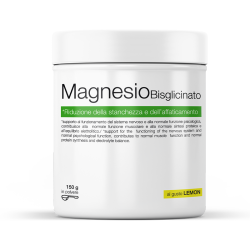
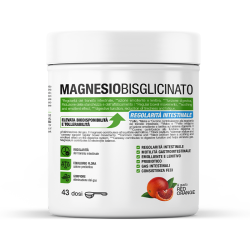
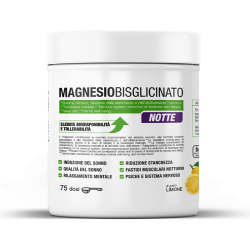
Chelated magnesium, or bisglycinate, refers to the chemical compound formed by magnesium and two molecules of glycine. It is the most bioavailable form of magnesium and the easiest for the body to absorb; Tsunami Nutritionhas explored two options for magnesium supplementation with its ‘Digestive Regularity’ and ‘Night-time’ formulations .
Chelated magnesium is important for our bodies as it plays a role in over 300 chemical reactions within the body. Supplementing the mineral magnesium with a combination of amino acids is the best way to ensure proper homeostasis and optimal health.
Why is it also called bisglycinate?
The term ‘bisglycinate’ refers to the combination of one part magnesium and two parts glycine.
Glycine is a non-essential amino acid, but it is very important in combination with the mineral magnesium, as it promotes the absorption of substances through cell membranes without placing a strain on the digestive system. This means it is absorbed more quickly by the body and is well tolerated by the gut.
Magnesium bisglycinate is a key formulation combining magnesium and glycine, which is highly effective and bioavailable.
Glycinate vs bisglycinate: is there a real difference?
There is no fundamental difference in the chemical structure between glycinate and bisglycinate, but it is important to understand whether the definitions are similar merely for commercial reasons, or whether there are genuine differences in the way the compounds are bonded, and therefore whether magnesium glycinate is less bioavailable than bisglycinate.
In fact , the term ‘glycinate’ can refer generically to any compound in which magnesium is bound to glycine, even to a lesser extent. This is in contrast to ‘bisglycinate’, where the prefix ‘bis’ clearly indicates two molecules of glycine and which is generally a purer and more carefully controlled formulation.
Understanding the difference in terminology
The confusion over the nomenclature between magnesium bisglycinate and magnesium glycinate stems from the improper use of terms and a lack of scientific literacy in the commercial sector.
From a chemical perspective:
- Magnesium bisglycinate: this is a chelated form in which two glycine molecules are bound to a magnesium atom, making the solution particularly reactive and stable, as well as highly bioavailable.
- Magnesium glycinate: this is often used as a shorthand to refer to the same substance, but it causes confusion amongst consumers as the bioavailability and quality of the product may vary, since it is not specified how many glycine molecules are bound to the magnesium.
The advantage of bioavailability
Choosing magnesium bisglycinate means, without a doubt, selecting the best magnesium formula for its benefits in terms of bioavailability and the effectiveness of supplementation.
Indeed, ‘standard’ magnesium must be chelated within the cells of the small intestine in order to be processed. Chelated magnesium, on the other hand , is already available for absorption without needing to be processed within the intestine.
Furthermore, the bond with glycine molecules makes the magnesium more stable as it passes through the stomach, helping to prevent unwanted gastrointestinal side effects.
What is magnesium bisglycinate used for: the main benefits
The main benefits of magnesium bisglycinate:
- Bone health: it ‘works together’ with calcium to maintain healthy bones;
- Supports digestion: it improves digestion and helps regulate acidity, particularly in relation to carbohydrates and fats;
- Promotes cardiovascular and muscular health: it supports the relaxation and function of the heart muscle as well as the contractility of skeletal muscle;
- Improves relaxation and sleep: it promotes a sense of calm and supports normal sleep patterns
- Supports kidney health: it reduces the risk of kidney stones;
- Relieves chronic headaches: it supports electrolyte balance, which contributes to the proper polarisation of neuronal membranes
- Contributes to women’s health: it helps prevent or relieve symptoms associated with a range of conditions, such as dysmenorrhoea, premenstrual syndrome, menstrual migraine and post-menopausal symptoms.
Furthermore, it promotes nervous and cognitive function, as well as being an excellent anti-inflammatory for combating migraine, dysmenorrhoea and fibromyalgia.
Improves sleep and relaxation
The reduction in fatigue is evident thanks to magnesium’s support for heart muscle function and proper skeletal muscle contractility.
Magnesium acts as a cofactor in regulating blood pressure and energy metabolism, and helps reduce both physical and mental fatigue and exhaustion, promoting continuous and restorative rest.
In the Magnesium Bisglycinate Night formula from Tsunami Nutrition, effectiveness is enhanced by the inclusion of passionflower, lemon balm and melatonin – natural ingredients that promote sleep onset and improve the quality of rest.
Reducing stress and anxiety
Magnesium is essential for the normal functioning of the nervous system: it regulates neurotransmitter activity and modulates neuronal excitability.
It is therefore very important to take supplements containing this mineral if you are experiencing periods of stress and anxiety, as its effect on the nervous system effectively helps to maintain a state of mental relaxation by reducing cognitive overload.
Supporting muscle and nerve function
Magnesium bisglycinate works alongside calcium to maintain bone health and activate vitamin D. Furthermore, it plays a key role in the active transport of calcium and potassium across cell membranes – a process that is vital for the conduction of nerve impulses and muscle contraction.
In the ‘Night’ version, which is also designed to aid sleep and relaxation, this supplement helps to reduce night-time discomfort, such as cramps or tension, promoting deep relaxation.
Side effects and dosage of magnesium glycinate
Magnesium is a substance found in abundance in our bodies and is essential for a wide range of reactions; it is therefore well tolerated by the body and has no obvious side effects.
However, there are significant contraindications if the supplement is taken in excessive doses, rather than in accordance with the instructions, which can lead to loss of appetite and stomach cramps.
It is essential to consult a doctor before starting supplementation to ensure it is compatible with your lifestyle and individual needs, in order to avoid adverse reactions.
Rare adverse effects
Rare side effects may occur if there are underlying undiagnosed medical conditions or as a result of taking an excessive dose. These include gastrointestinal disturbances caused by an overdose of the supplement, which may increase bowel motility.
You may experience a drop in blood pressure, allergic reactions and adverse interactions with other medicines that may inhibit its effect.
It is essential not to overuse supplements in the hope of achieving immediate results, as unexpected reactions may occur. Once a diagnosis has been made, your doctor can advise you on the best course of action, whilst minimising the risk of rare contraindications.
How and when to take it
Magnesium bisglycinate is taken by dissolving the dose of powder in a glass of water or juice; the dose can be split into 2 or 3 intakes throughout the day. The dosage ranges from 200 mg to 400 mg depending on individual needs, which are determined by each person’s lifestyle.
The best time to take it depends on your general needs.
- For an energising and digestive boost, it is advisable to take the Magnesium Bisglycinate for Bowel Regularity 150g supplement first thing in the morning to aid digestion and help you feel physically and mentally centred.
- For relaxation and rest, the best advice is to take the Magnesium Bisglycinate Night 150g1 or 2 hours after dinner, to promote relaxation alongside other pure, relaxing substances already present in the formula.
How to choose a good supplement
A good supplement certainly needs to be ‘tried to be approved’! But first and foremost, consumers need to consciously check the quality and purity of the ingredients by reading the nutritional information on the label and, where available, looking into any relevant case studies, and finally, verifying the product’s quality certifications.
As well as researching brands, the most important advice is to consult a doctor or nutritionist to understand which product is best suited to your needs. Very often, excellent supplements do not deliver maximum effectiveness because they are not supported by a proper diet and a balanced lifestyle.
Supplementation helps you feel better; don’t be swayed by the exaggerated claims of modern marketing. Listen to your own needs and trust Tsunami Nutrition to always provide you with all the necessary information and the assurance that you’re receiving a product made from the finest ingredients.
What to check on the label
Reading the label is particularly important when buying a supplement, as it is not a medicine and may have hidden side effects that you might not be aware of unless you read the label carefully. First of all:
- Assess the type and concentration of the ingredients used;
- Check the warnings and instructions for use;
- Pay attention to any precautions to be taken, such as whether any allergies are specified or if the product should not be taken alongside other medicines you are currently taking.
You should always prioritise the quality of the raw materials to ensure the supplement is effective; in this regard, the price may help you rule out certain products with misleading information.
Finding magnesium glycinate in pharmacies
The sale of supplements in pharmacies is strictly regulated, as they may only purchase products from official distributors, who are required to ensure the safety, traceability and concentration of the raw materials. Furthermore, the pharmacist will be on hand to offer advice on dosages and how to use the product.
However, specialist online retailers such as Tsunami Nutrition offer an informational advantage that goes beyond what pharmacies can provide. On our website, you can find clinical studies, quality certifications and all the information you need to avoid any contraindications.
Frequently Asked Questions
What is magnesium glycinate used for?
Magnesium glycinate, or bisglycinate, is an excellent anti-inflammatory as it binds one part magnesium to two parts of the amino acid glycine.
This bond aids the absorption of the magnesium compound, which supports: relaxation and sleep, the nervous and muscular systems, and bowel function.
Tsunami Nutrition has conducted in-depth research into magnesium bisglycinate, developing different formulations tailored to specific effects.
What is the difference between magnesium glycinate and magnesium bisglycinate?
There is no real chemical difference; fundamentally, both magnesium bisglycinate and glycinate are based on magnesium and glycine.
More specifically, attention must be paid to the number of bonds with glycine; whilst products marketed as ‘bisglycinate’ may, due to the different prefix, actually contain fewer glycine molecules or be bound less firmly.
The effectiveness of the supplement depends largely on its bioavailability, and magnesium bisglycinate aids the digestion of the formula better than any other magnesium supplement.
Does magnesium bisglycinate help you sleep?
Yes, magnesium bisglycinate – particularly the ‘Night’ version, enriched with passionflower, lemon balm and melatonin – essentially substances that aid and promote rest and recovery during the night.
Which type of magnesium is the best overall?
To determine which magnesium is the best overall, you need to know what your specific needs are and which form works best for them.
Generally speaking, Tsunami Nutrition’s magnesium bisglycinate – and in particular the “Night” and “Digestive Regularity” variants, are the most bioavailable and represent the best magnesium solutions, formulated using high-quality raw materials and featuring all the specifications detailed in the product descriptions on our official shop.
When is the best time to take magnesium bisglycinate?
If you’re looking for an energy boost, it’s best to take magnesium bisglycinate first thing in the morning; if, on the other hand, you need support for relaxation and a good night’s sleep, it’s best to take the dose 1 to 2 hours after dinner.
The important thing is to follow the instructions on the product and not to take higher doses in the belief that this will make it more effective; supplementation takes time, and the doses and timing of intake determine the entire course of treatment.
It is always essential toconsult a doctor about how and when to take magnesium to ensure the supplement is as effective as possible in your daily life.