- Health and wellness
- 3301 views

What sets marine collagen apart
Marine collagenis extracted from the skin and scales of fish; it is a pure form of collagen that is highly absorbable by the body. Its molecular structure enhances bioavailability as it has a smaller molecular structure compared to bovine collagen, which aids digestion and ensures it is effectively utilised by the body.
Marine collagen is generally of Types I and III:
- Type I: the most abundant in the human body and essential for the health of the skin, nails and connective tissues
- Type III: for the health of cartilage and tendons. Although these benefits are more pronounced in Type II bovine collagen.
The molecular structure of marine collagen allows for optimal absorption by the body, providing various benefits for tissues and also for muscle strengthening.
The difference between bovine and hydrolysed collagen
The differences between marine collagen and bovine or hydrolysedcollagen lie mainly in their composition, efficacy and benefits:
- Marine Collagen: has a very small molecular structure which promotes bioavailability and acts primarily on the health of the skin, hair and nails; in the long term, it also benefits the tendons and the skeletal system
- Bovine Collagen: has a slightly heavier molecular structure than marine collagen, but is effective not only in promoting the health of the skin, hair and nails, but also in effectively supporting the joints, muscles and tissue structure
- Hydrolysed Collagen: ‘hydrolysed’ means that the molecules (whether bovine or marine) are broken down into smaller peptides to facilitate absorption by the body and enhance the benefits of both formulations.
General contraindications and who should avoid it
Marine collagen is generally considered to be well tolerated by the human body, but caution is advised for those with allergies to animal proteins, which could cause adverse reactions, or for those with a sensitive digestive tract, which could lead to bloating, nausea or general discomfort.
Taking the correct dose and consulting a doctor to check that the supplementation programme is suitable is the best way to avoid any adverse effects.
Numerous adverse effects may occur if the quality of the raw materials used is questionable. It is always important to choose high-quality supplements such as those produced by Tsunami Nutrition, which carefully select their raw materials and deliver effective, long-lasting benefits.
The risks of allergic reactions to collagen
Allergic reactions to collagen may occur in people who are intolerant to animal proteins and who may therefore be unable to digest the formulation, even though it is a hydrolysed product.
It is always important to check your own medical history to understand the best supplementation regime to follow in order to avoid adverse effects.
Possible interactions with medicines and medical conditions
The collagen found in supplements is the best way to take this protein as it is already divided into precise doses and, in Tsunami Nutrition’s version, only uses top-quality ingredients.
Nevertheless, it should be borne in mind that collagen is a protein; in cases of impaired kidney function, the body’s metabolism may be overburdened by the digestion of nutrients due to reduced filtration capacity. The same applies to those suffering from gastrointestinal problems or liver conditions.
Medicines for which caution is advised when taken in combination with collagen include: anticoagulants, cholesterol-lowering drugs and treatments for autoimmune conditions, which could negatively stimulate the immune system.
Analysis of specific side effects
Generally, marine collagen is well tolerated by the body, but if taken in high doses, it may cause laxative-like gastrointestinal effects or, conversely, lead to constipation, depending on the individual’s usual bowel habits.
Use must be stopped immediately by anyone allergic to animal proteins, as side effects can vary and may include: itchy skin such as hives, swelling and redness.
Does collagen harm the liver or the stomach?
Collagen does not harm the liver; on the contrary, the presence of glycine stimulates anti-inflammatory action and is beneficial to the body; in other cases, however, if there are kidney problems or impaired filtration in the digestive system, it is not advisable to take this protein as it could place a strain on the entire biological system.
Marine collagen is particularly bioavailable and does not generally cause digestive imbalances or other side effects; however, if you are taking other medicines at the same time or if you suffer from irritable bowel syndrome or slow digestion, it is best to consult a doctor to determine the correct dosages and the best supplementation routine for your specific case.
Contraindications of marine collagen for the thyroid
There is no scientific evidence of side effects on the thyroid, but it is always advisable to start supplementation with caution and to assess the risks of taking it in relation to your own routine and lifestyle.
If you have a thyroid condition, it is always advisable to consult your GP or nutritionist, and to monitor your supplementation to avoid any adverse effects resulting from taking collagen alongside levothyroxine.
Are there any risks to the heart?
To date, there have been no specific cases of heart problems caused by taking collagen. On the contrary, taking this protein promotes cardiovascular wellbeing thanks to the elasticity that collagen provides to blood vessels, which helps regulate blood pressure.
Taking collagen could be risky for those with cardiovascular conditions, and for those managing their cholesterol levels; it is always important to follow a personalised regimen based on your health and daily routine.
Does taking collagen cause weight gain?
Collagen, like all types of protein, has a very low calorie content (4 kcal per gram). Given such a low calorie content, it is clear that it cannot be a causeof weight gain.
On the contrary, it has been shown to promote a feeling of fullness and support metabolism by aiding digestion and cellular energy!
Contraindications for drinkable collagen
Collagen drinks, like collagen tablets, do not generally cause any side effects in healthy individuals; on the contrary, they enhance the bioavailability of nutrients and the beneficial effects of collagen, whether marine or bovine.
If you are prone to allergies to animal proteins, it may cause bloating and nausea in the digestive tract, or irritation and redness. For people with severe kidney conditions, it is best not to take high doses of collagen, so as not to overload the part of the body that ‘filters’ nutrients.
Specific side effects of liquid supplements
Generally speaking, liquid collagen supplements – or tablet-form supplements – do not cause side effects, as these are nutrients that are normally already present in our bodies.
It is important to follow a specific diet and to support supplementation with exercise and a healthy diet, in order to achieve your wellness goals without any adverse effects and with maximum effectiveness, reaping the benefits of this structural protein which is so essential to our bodies.
Frequently Asked Questions
What are the most common side effects of collagen?
Itching and redness, or cramps and abdominal bloating, are the most common side effects for those with an intolerance to animal proteins.
For those with kidney problems, it is best not to exceed the recommended doses and to be monitored by your GP or nutritionist, so as not to put a strain on your metabolism. In any case, it can cause intestinal problems if taken in excessive doses.
Is taking too much collagen harmful?
Too much of anything is harmful… always! There’s no need to take large amounts of collagen or take multiple doses; this won’t make it work any faster and, on the contrary, could lead to digestive problems and a feeling of bloating.
It is important to always consult your trusted doctor and to tailor your own specialised supplementation programme to suit your personal routine and lifestyle.
Are there any contraindications for collagen combined with hyaluronic acid?
No, there are no specific contraindications. On the contrary, when taken together, collagen andhyaluronic acid promote tissue health, supporting the skin’s firmness and elasticity.
Of course, this isn’t limited to supporting aesthetic appearance; thanks to its moisturising properties, it also improves lubrication and the functionality of the skeletal system.
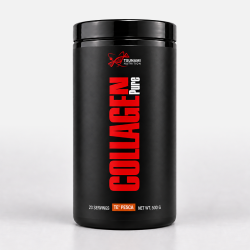
Choose the best collagen from Tsunami Nutritionto boost your intake of this essential protein, which supports tissue composition as well as muscle and bone health.